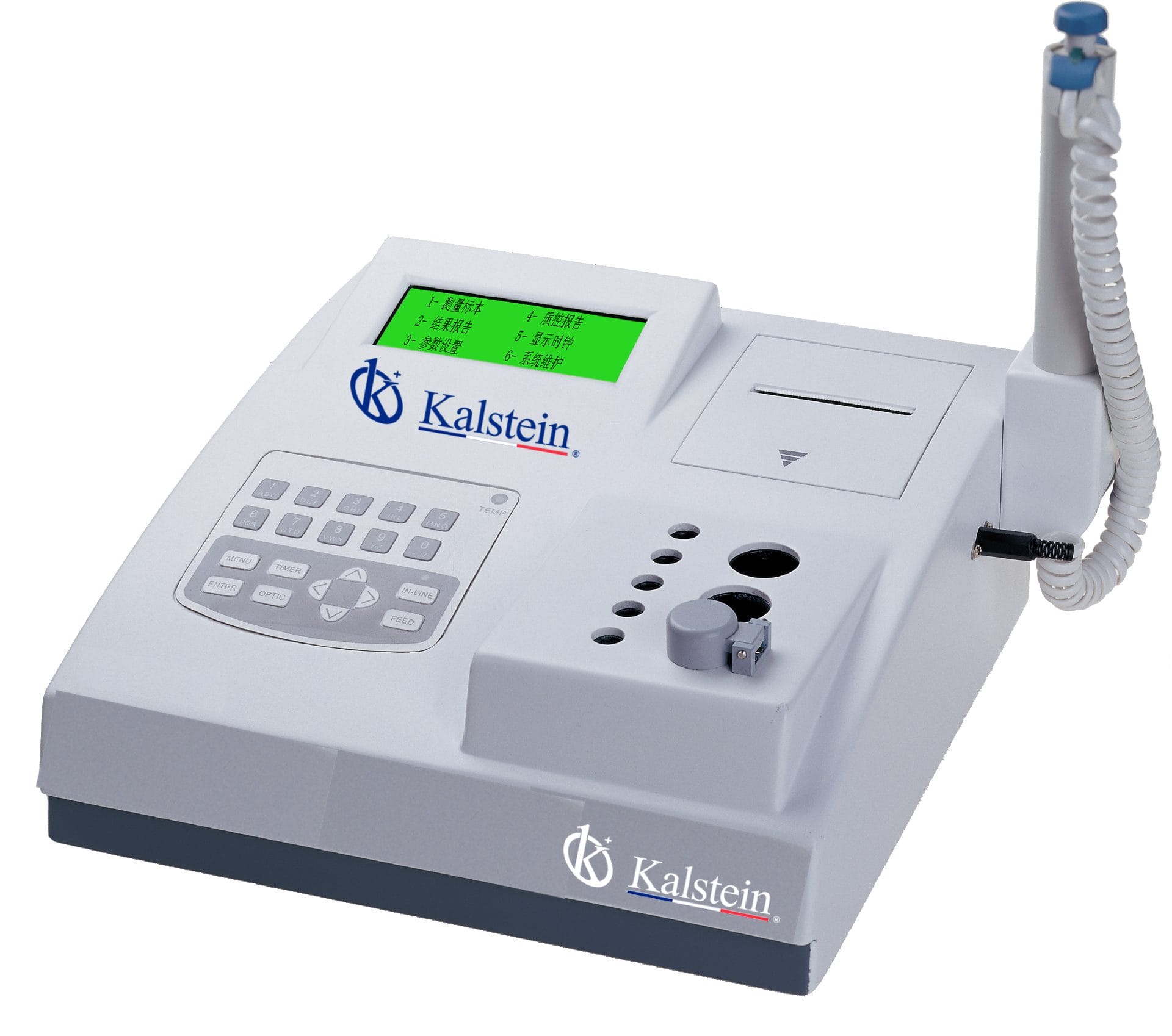
Coagulation Analyzers: Practical Applications and Techniques 2026
What is it used for in 2026
Coagulation analyzers are essential instruments in clinical laboratories for diagnosing and monitoring blood coagulation disorders. In 2026, these devices are utilized for a variety of applications including assessing bleeding disorders, monitoring anticoagulant therapy, and performing routine coagulation tests such as Prothrombin Time (PT) and Activated Partial Thromboplastin Time (APTT). Their advanced technologies allow for precise measurements and faster results, which are crucial for effective patient management.
History and evolution of the technology
The history of coagulation analyzers dates back several decades, with significant advancements in technology leading to the sophisticated devices we see today. Initially, coagulation testing was performed manually, which was labor-intensive and time-consuming. The introduction of automated analyzers in the late 20th century revolutionized the field. In 2026, coagulation analyzers incorporate cutting-edge optical systems and software algorithms that enhance accuracy and efficiency, making testing quicker and more reliable.
How to use it step by step
Using a coagulation analyzer typically involves the following steps:
- Preparation: Ensure the device is calibrated according to the manufacturer’s specifications. Gather all necessary reagents and samples.
- Sample Loading: Load the sample into the analyzer following the specific protocols for each model. Most analyzers have designated sample positions.
- Setting Parameters: Select the appropriate test type (e.g., PT, APTT) and input any required parameters as per the laboratory's standard operating procedures.
- Initiating Test: Start the analysis and monitor the progress on the device's display. Most modern analyzers provide real-time feedback.
- Result Interpretation: Once the test is complete, interpret the results following the laboratory's guidelines. Ensure results are documented accurately.
- Cleaning: After testing, clean the analyzer according to the manufacturer's instructions to maintain optimal functionality.
Best techniques and protocols
In 2026, the best techniques for using coagulation analyzers involve adhering to standardized protocols that ensure accuracy and reliability. These include:
- Regular calibration and maintenance of the instruments.
- Using fresh reagents and properly prepared samples to avoid contamination.
- Implementing quality control measures, including running control samples alongside patient samples.
- Training laboratory personnel on the correct usage of the analyzers and interpretation of results.
Practical applications by laboratory type
Coagulation analyzers find applications in various laboratory settings, including:
- Clinical Laboratories: Used for routine coagulation testing and monitoring patients on anticoagulants.
- Research Laboratories: Employed in studies related to hemostasis and thrombosis.
- Blood Banks: Critical for determining compatibility and assessing bleeding risks in donors and recipients.
Regulations, standards and certifications
Coagulation analyzers are subject to various regulations and standards to ensure safety and effectiveness. In 2026, laboratories must comply with local and international regulations such as ISO 15189 for laboratory accreditation, as well as guidelines set by the Clinical Laboratory Improvement Amendments (CLIA) in the United States. Regular audits and adherence to quality management systems are essential for maintaining certifications.
Comparison with alternative technologies
When comparing coagulation analyzers to alternative technologies such as manual testing methods or other point-of-care devices, several advantages stand out:
- Higher throughput and efficiency with automated analyzers.
- Greater accuracy and precision, reducing the risk of human error.
- Advanced features such as data management integration and real-time result updates.
Comparison of available models
| Model | Best for | Key specs | Recommended use case |
|---|---|---|---|
| YR05117 | Routine coagulation testing | Weight: 5 kg, Price: $750.00, Memory: 10,000 results | Ideal for smaller labs needing reliable testing without extensive automation. |
| YR05118 | Advanced coagulation analysis | Weight: 5 kg, Price: $600.00, LCD screen: 5 inches | Suitable for laboratories focusing on detailed coagulation profiles. |
| YR06083 | High-volume testing | Weight: 110 kg, Price: $13,000.00, Memory: 10,000 results | Best for large hospitals and reference labs with high sample throughput. |
| YR06082 | Comprehensive analysis and research | Weight: 53 kg, Price: $6,800.00, Memory: 10,000 results | Ideal for research settings needing in-depth analysis. |
Common mistakes and how to avoid them
Common mistakes when using coagulation analyzers include:
- Not performing regular calibrations, which can lead to inaccurate results.
- Using expired or improperly stored reagents, affecting test quality.
- Failing to run quality control tests, which can result in undetected errors.
To avoid these mistakes, laboratories should establish a routine maintenance schedule and ensure that staff are well-trained in operational procedures.
Maintenance, calibration and good practices 2026
Maintaining coagulation analyzers in 2026 requires adhering to manufacturer guidelines for calibration and cleaning. Key practices include:
- Calibrating the analyzer regularly, especially before starting a new batch of tests.
- Cleaning the sample area and components to prevent contamination.
- Documenting maintenance activities to ensure compliance and traceability.
Cost-benefit analysis 2026
Investing in coagulation analyzers is often justified by the increased efficiency and accuracy of testing. In 2026, a thorough cost-benefit analysis shows that:
- Automated systems reduce labor costs by lowering the time needed for testing.
- Improved accuracy minimizes the costs associated with retesting and misdiagnosis.
- Long-term savings on reagents and maintenance when using reliable technologies.
Frequently asked questions
What factors should I consider when choosing a coagulation analyzer?
Consider factors such as the volume of tests, types of tests required, space availability, and budget when selecting a coagulation analyzer.
How often should I calibrate my coagulation analyzer?
It is recommended to calibrate the coagulation analyzer regularly, typically daily or before any major testing batch, to ensure accuracy.
What are the key maintenance practices for coagulation analyzers?
Key practices include routine calibration, cleaning of components, and running quality control tests to ensure the analyzer's functionality.
Can I use different reagents with my coagulation analyzer?
Some models allow the use of open reagents; however, always check compatibility with the specific model to ensure reliable results.
What are the common troubleshooting steps for coagulation analyzers?
Common troubleshooting includes checking reagent expiry, confirming sample placement, and ensuring calibration settings are correct.
How can I improve the efficiency of coagulation testing in my lab?
Implementing standard operating procedures, regular training for staff, and using automated analyzers can significantly enhance testing efficiency.
Is it worth investing in an automated coagulation analyzer?
Yes, automated coagulation analyzers offer significant benefits in terms of speed, accuracy, and efficiency, justifying their investment in most laboratory settings.
If you are looking for a fusion of innovation and quality, you have come to the right place. At Kalstein, we offer you the luxury of exploring our exclusive catalog of laboratory equipment. We manufacture every device to the highest standards of excellence. Our intuitive and seamless online purchasing channels are designed for your convenience, securing the most competitive prices. Hesitate no longer — we bring science to life, it is time to become part of our community.