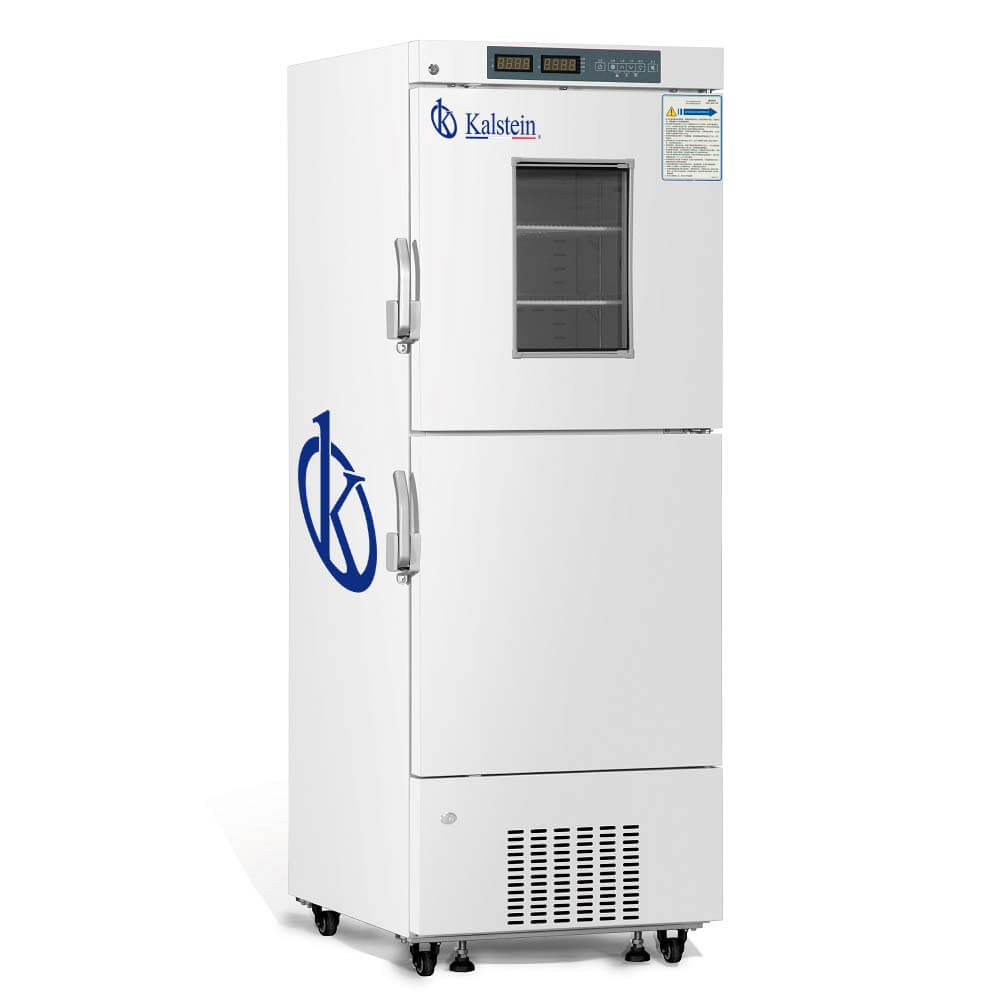
Combined Freezers: Applications in Research, Biotechnology, and Academia 2026
What is it used for in 2026
In the year 2026, combined freezers are essential in various laboratories, particularly in the fields of research, biotechnology, and academia. These appliances are designed to store biological samples, including vaccines, plasma, and other sensitive materials under precise temperature control. Their dual-compartment systems allow for independent temperature settings, making them ideal for multi-faceted laboratory environments.
History and evolution of the technology
The technology behind combined freezers has evolved significantly over the years. Initially designed as simple freezing units, modern combined freezers now incorporate advanced cooling technologies, digital displays, and microprocessor controls. Innovations in refrigerants like R600a and R290 have improved efficiency and reduced environmental impact. As the demand for precise temperature control in biosciences has grown, so has the sophistication of these units.
How to use it step by step
- Installation: Position the unit in a well-ventilated area away from direct sunlight.
- Temperature Setting: Customize the temperature for each compartment using the digital controls.
- Loading Samples: Organize samples in labeled containers for easy identification.
- Monitoring: Regularly check the temperature display and log any fluctuations.
- Defrosting: Follow the manual defrosting procedures as recommended to maintain efficiency.
Best techniques and protocols
To ensure optimal performance, laboratory personnel should adhere to the following best practices:
- Conduct routine checks on temperature settings.
- Implement a labeling system for samples to avoid confusion.
- Ensure proper airflow around the unit to prevent overheating.
- Utilize data logging features for compliance and monitoring.
- Schedule regular maintenance checks and calibrations.
Practical applications by laboratory type
Different laboratory environments utilize combined freezers for various applications:
- Research Laboratories: Storing biological specimens and reagents.
- Clinical Laboratories: Preserving blood products and vaccines.
- Biotechnology Firms: Keeping genetically modified organisms at specific temperatures.
- Pharmaceutical Companies: Ensuring stability for drug compounds.
Regulations, standards and certifications
In 2026, combined freezers must adhere to several regulations and standards, such as:
- ISO 13485 for medical devices.
- FDA guidelines for storage of biological materials.
- Local environmental regulations regarding refrigerant use.
Comparison with alternative technologies
When evaluating combined freezers against alternative technologies such as standalone freezers or ultra-low temperature freezers, the following points must be considered:
- Combined freezers offer versatility with dual-temperature compartments.
- Standalone freezers may provide lower temperatures but lack the flexibility of combined units.
- Ultra-low freezers are necessary for specific applications but are often more expensive to operate.
Comparison of available models
| Model | Best for | Key specs | Recommended use case |
|---|---|---|---|
| YR05320 | Pharmacy and Plasma Storage | 368L, R600a/R290, -20℃ to -40℃ | Storing vaccines and biological materials |
| YR05321 | Clinical Laboratories | R290, -10℃ to -25℃ | Blood products and vaccine storage |
| YR05321-1 | Research and Academia | Dual-compartment, -10℃ to -25℃ | Storing reagents and samples |
Common mistakes and how to avoid them
Laboratory professionals often encounter pitfalls when using combined freezers. Here are common mistakes and how to avoid them:
- Overloading: Avoid overloading the unit; ensure proper airflow by adhering to weight limits.
- Ignoring Maintenance: Schedule regular maintenance to prevent failures.
- Neglecting Temperature Logs: Consistently monitor and document temperature fluctuations.
Maintenance, calibration and good practices 2026
In 2026, maintaining combined freezers is crucial. Follow these guidelines:
- Perform monthly temperature checks.
- Clean the interior and exterior regularly to prevent contaminants.
- Calibrate temperature sensors every six months.
Cost-benefit analysis 2026
When considering the investment in combined freezers, a cost-benefit analysis should include:
- Initial purchase costs versus operational efficiency.
- Potential savings from reduced spoilage of samples.
- Long-term maintenance expenses and energy consumption.
Frequently asked questions
What should I look for when choosing a combined freezer?
When selecting a combined freezer, consider the temperature range, capacity, energy efficiency, and available certifications.
How can I ensure my samples are safe in a combined freezer?
Regularly monitor temperatures, avoid overloading the unit, and maintain a clean environment to ensure sample safety.
What maintenance is required for combined freezers?
Monthly temperature checks, regular cleaning, and calibration of sensors are essential maintenance tasks.
Are combined freezers energy efficient?
Many modern combined freezers use energy-efficient refrigerants and technologies, which can result in lower energy costs.
How do I set the temperature in a combined freezer?
Use the digital control panel to set the desired temperature for each compartment according to the manufacturer's guidelines.
Can I store different types of samples in the same combined freezer?
Yes, combined freezers allow for independent temperature control, making them suitable for storing various sample types simultaneously.
If you are looking for a fusion of innovation and quality, you have come to the right place. At Kalstein, we offer you the luxury of exploring our exclusive catalog of laboratory equipment. We manufacture every device to the highest standards of excellence. Our intuitive and seamless online purchasing channels are designed for your convenience, securing the most competitive prices. Hesitate no longer — we bring science to life, it is time to become part of our community.