Common Mistakes and How to Avoid Them in Daily Operations of Plant Growth Chambers 2026
What is it used for in 2026
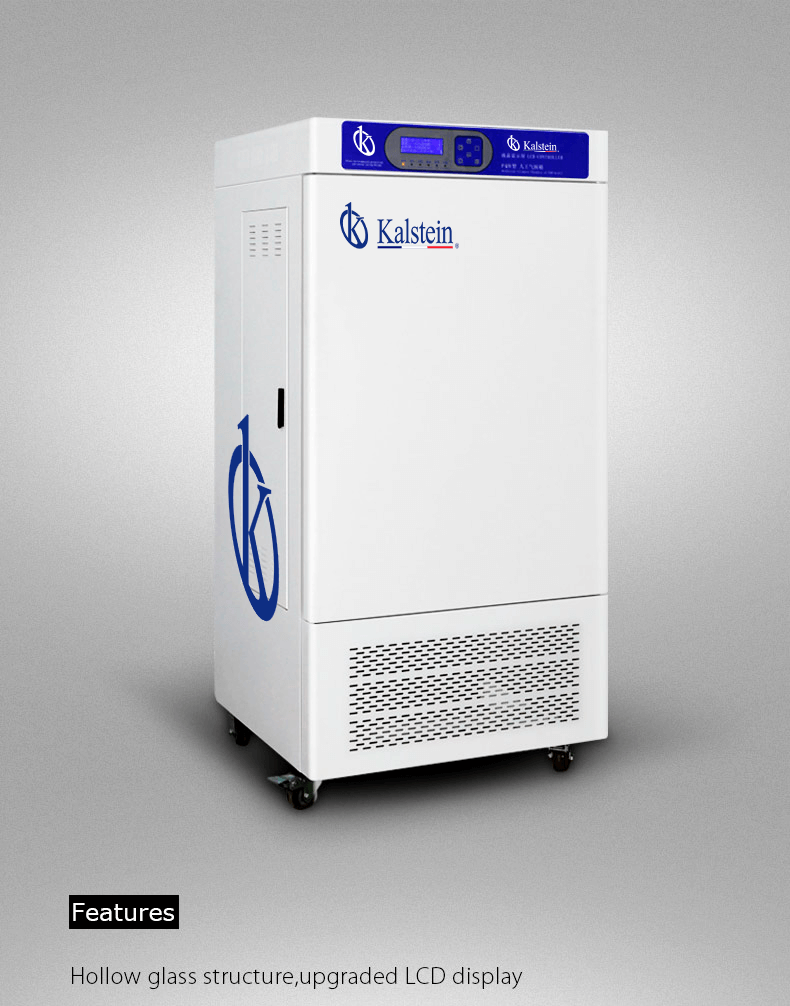
Plant Growth Chambers are essential for creating controlled environments for the growth of plants, seeds, and microorganisms. In 2026, these chambers are widely used in research laboratories, agricultural studies, and educational institutions. They enable precise control over factors such as temperature, humidity, and light intensity, allowing scientists to conduct experiments that require specific growing conditions.
History and evolution of the technology
The technology behind Plant Growth Chambers has evolved significantly since their inception. Initially designed in the mid-20th century, these chambers have transitioned from simple insulated boxes to sophisticated equipment with advanced controls and monitoring systems. Today, features like automatic defrosting, adjustable lighting, and eco-friendly refrigerants are standard, making them more efficient and user-friendly.
How to use it step by step
Using a Plant Growth Chamber involves several steps to ensure optimal operation:
- Preparation: Ensure the chamber is clean and free of contaminants.
- Set Up: Configure the internal settings such as temperature, humidity, and light levels according to the specific needs of your plants or experiments.
- Loading: Place the plants or samples inside the chamber, ensuring they are properly spaced for air circulation.
- Monitoring: Regularly check the chamber's environment using the integrated monitoring systems.
- Recording Data: Document any growth patterns or experimental results for analysis.
- Adjusting Conditions: Based on observations, adjust the environmental controls as necessary.
- Cleaning and Maintenance: After completing the experiments, clean the chamber to maintain hygiene and performance.
Best techniques and protocols
To maximize the efficiency of Plant Growth Chambers in 2026, the following techniques and protocols are recommended:
- Use calibrated sensors for accurate temperature and humidity readings.
- Maintain consistent light cycles to simulate natural growing conditions.
- Implement rotation protocols to ensure even light distribution among all plants.
- Regularly update nutrient solutions and check for any signs of contamination.
- Utilize data logging systems for long-term experiments to track changes over time.
Practical applications by laboratory type
Plant Growth Chambers are utilized across various types of laboratories, including:
- Research Laboratories: For studying plant biology, genetics, and environmental responses.
- Agricultural Labs: To test crop varieties and assess agricultural practices.
- Educational Institutions: For teaching students about plant biology and growth conditions.
- Pharmaceutical Labs: To cultivate microorganisms for drug development.
Regulations, standards and certifications
In operating Plant Growth Chambers, professionals must adhere to industry regulations and standards such as:
- ISO standards for laboratory equipment.
- Safety regulations to ensure the well-being of laboratory personnel.
- Environmental regulations concerning energy efficiency and refrigerant use.
Comparison with alternative technologies
While Plant Growth Chambers are widely used, alternatives such as greenhouses and growth tents exist. However, Plant Growth Chambers offer precise control over environmental variables, making them superior for sensitive experiments. Greenhouses depend on external weather conditions, whereas Plant Growth Chambers create a stable environment independent of external factors.
Comparison of available models
| Model | Best for | Key specs | Recommended use case |
|---|---|---|---|
| YR05331 | Seed germination and plant cultivation | Temperature range: 10-50℃ with lighting, 5-60℃ without lighting; Power: 900W | Ideal for small-scale experiments and educational purposes |
| YR05332 | Microbial growth studies | Temperature range: 10-50℃ with lighting, 5-60℃ without lighting; Power: 1000W | Best suited for medium-scale research applications |
| YR05333 | Comprehensive plant studies | Temperature range: 10-50℃ with lighting, 5-60℃ without lighting; Power: 1200W | Recommended for advanced research and long-term studies |
Common mistakes and how to avoid them
Laboratory professionals often encounter challenges when using Plant Growth Chambers. Here are common mistakes and solutions:
- Incorrect Temperature Settings: Always double-check the temperature settings before starting experiments.
- Poor Ventilation: Ensure adequate airflow within the chamber to prevent overheating.
- Inconsistent Light Exposure: Use timers for consistent light cycles to mimic natural conditions.
- Neglecting Maintenance: Regularly clean and maintain the chamber to prolong its life and ensure accurate results.
Maintenance, calibration and good practices 2026
Maintenance of Plant Growth Chambers is crucial for their longevity and efficiency. Follow these practices:
- Perform regular calibration of temperature and humidity sensors.
- Schedule routine cleaning to avoid contamination.
- Keep a maintenance log to track service dates and any issues.
- Train staff on proper usage and maintenance procedures.
Cost-benefit analysis 2026
Investing in Plant Growth Chambers can be a significant financial commitment. However, the cost is justified by the precision and control they offer, which leads to reproducible results and valuable research findings. When analyzing costs, consider:
- Initial purchase price vs. long-term operational efficiency.
- The potential for reducing time spent on experiments due to improved conditions.
- Energy savings from advanced technologies in newer models.
Frequently asked questions
What are the key factors to consider when choosing a Plant Growth Chamber?
Consider factors like temperature range, lighting capabilities, size, and the specific needs of your experiments when selecting a Plant Growth Chamber.
How do I ensure optimal light exposure for my plants?
Use adjustable light settings and timers to maintain consistent light exposure, mimicking natural light cycles.
What maintenance is required for Plant Growth Chambers?
Regular cleaning, calibration of sensors, and checking for functionality of all parts are essential maintenance tasks.
Can I use Plant Growth Chambers for different types of plants?
Yes, you can adjust the settings to accommodate various plant types based on their specific growth requirements.
What are the common issues faced while using Plant Growth Chambers?
Common issues include temperature fluctuations, inadequate ventilation, and improper light cycles. Regular checks and maintenance can mitigate these problems.
How can I monitor the conditions inside the Plant Growth Chamber?
Most modern Plant Growth Chambers come equipped with built-in monitoring systems for temperature, humidity, and light levels.
Where can I find more information on purchasing a Plant Growth Chamber?
For further assistance and to request a quote, please explore Kalstein’s catalog for competitive pricing and options.
If you are looking for a fusion of innovation and quality, you have come to the right place. At Kalstein, we offer you the luxury of exploring our exclusive catalog of laboratory equipment. We manufacture every device to the highest standards of excellence. Our intuitive and seamless online purchasing channels are designed for your convenience, securing the most competitive prices. Hesitate no longer — we bring science to life, it is time to become part of our community.