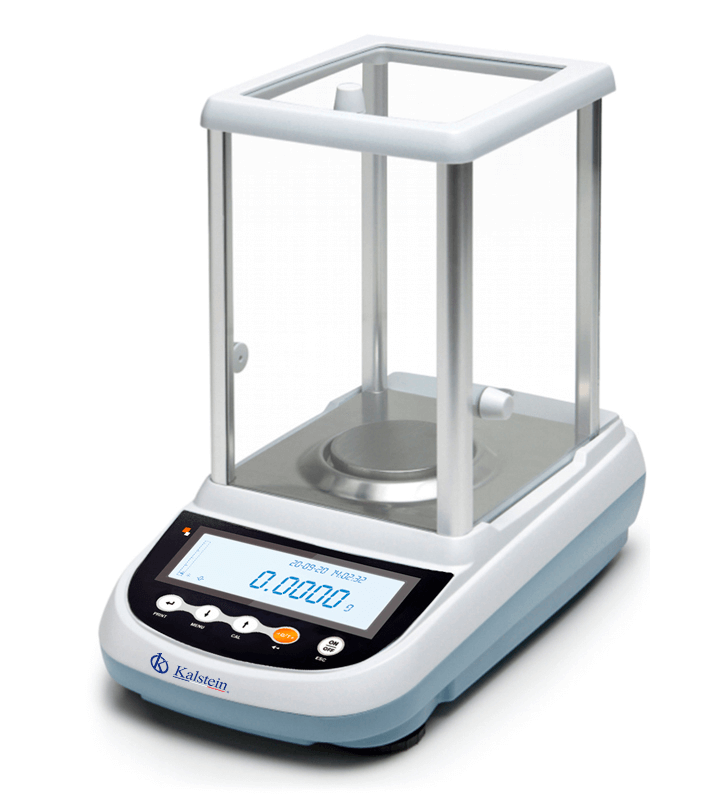
Comparative Analysis of Analytical Balances: Optimal Choices for Laboratory Professionals
When it comes to precision measurements in laboratory settings, choosing the right analytical balance is critical for accurate results. This article will provide an in-depth comparative analysis of several models of analytical balances, focusing on their features, performance, and suitability for various laboratory applications.
Understanding Analytical Balances and Their Importance
Analytical balances are indispensable tools in laboratories, offering high precision for weighing small samples. With a typical readability of 0.1 mg or better, these instruments are employed across various fields including pharmaceuticals, chemistry, and materials science. Their role in ensuring accurate measurements directly impacts research conclusions, quality control, and compliance with regulatory standards.
Comparison of Available Analytical Balance Models
| Model | Calibration Type | Capacity (g) | Min Weight (g) | Resolution (g) | Price (USD) |
|---|---|---|---|---|---|
| YR05568 | Internal/External | 220 | 0.4 | 0.1 mg | 790.00 |
| YR05569 | Internal/External | 310 | 0.4 | 0.1 mg | 825.00 |
| YR05570 | Internal/External | 410 | 0.4 | 0.1 mg | 1080.00 |
| YR05571 | Internal/External | 510 | 0.4 | 0.1 mg | 1125.00 |
| YR05572 | Internal/External | 610 | 0.4 | 0.1 mg | 1240.00 |
| YR05573 | Internal | 100 | 0.0004 | 0.0001 g | 325.00 |
Key Features of Each Model
Each analytical balance model has unique features that cater to different laboratory needs. For instance, the YR05568 and YR05569 models are designed for high-performance measurements with internal calibration, ensuring accuracy regardless of environmental changes. The YR05573, on the other hand, excels in applications requiring ultra-precise measurements such as in jewelry or pharmaceuticals with a remarkable readability of 0.0001 g.
Performance Comparison: Which Analytical Balance Should You Choose?
Choosing the right model depends on your specific application. For high-capacity needs, the YR05572 is optimal with a capacity of 610 g, ideal for weighing larger samples. Conversely, the YR05573 is tailored for scenarios requiring meticulous precision with its low minimum weight and high resolution. Evaluate what aspects are most crucial for your operations—whether it’s capacity, precision, or the calibration type—before making a decision.
Common Mistakes in Choosing Analytical Balances
One common mistake is underestimating the importance of calibration. Users often opt for balances that lack internal calibration features, which can lead to measurement inaccuracies over time. Additionally, overlooking the minimum weight capacity can result in using a balance that does not meet the specific needs of the samples being weighed. Always assess both your current needs and potential future requirements.
Factors Influencing the Selection of Analytical Balances
While precision and capacity are vital, consider other factors such as the environment in which the balance will be used. For instance, balances used in a fume hood may require enhanced protection against airflow disturbances. Additionally, the ease of use, cleaning requirements, and available interfaces for data transfer (like RS232) can significantly influence the overall efficiency of your laboratory workflow.
Cost-Benefit Analysis: Understanding ROI from Analytical Balances
Investing in an analytical balance comes with the expectation of return on investment (ROI). To evaluate the cost-effectiveness, consider the initial purchase price against operational costs, the number of samples processed, and the accuracy of results. For example, while the YR05572 may have a higher upfront cost, its capacity and precision could lead to improved productivity and reduced error rates, enhancing ROI over time.
Frequently Asked Questions
What is the maximum capacity of the YR05572 analytical balance model?
The YR05572 analytical balance has a maximum capacity of 610 grams, making it suitable for weighing larger samples while ensuring high precision.
How does the internal calibration feature work in YR05568?
The internal calibration feature in the YR05568 model automatically adjusts the balance to ensure accuracy, accounting for environmental changes without user intervention.
What is the minimum weight that can be measured by the YR05573?
The YR05573 model can accurately measure weights as low as 0.0004 grams, catering to applications that require ultra-precise measurements.
Which analytical balance model is best for pharmaceuticals?
The YR05573 is ideally suited for pharmaceuticals due to its high resolution of 0.0001 g, making it perfect for precise formulations and testing.
What factors influence the choice of an analytical balance in a laboratory?
Factors such as sample size, required precision, calibration type, and environmental conditions play a crucial role in selecting the right analytical balance for a laboratory setting.
How does the pricing compare among different analytical balances?
Prices among analytical balances vary significantly, for instance, the YR05568 is priced at $790, while the YR05572 is $1240, reflecting differences in capacity and features.
What role does RS232 connectivity play in analytical balances?
RS232 connectivity in analytical balances allows seamless data transfer to computers and other devices, enhancing data management and record-keeping in laboratory environments.
What is the readability of the YR05570 model?
The YR05570 model offers a readability of 0.1 mg, making it suitable for tasks that require high precision in measurement without compromising on accuracy.
If you are looking for a fusion of innovation and quality, you have come to the right place. At Kalstein, we offer you the luxury of exploring our exclusive catalog of laboratory equipment. We manufacture every device to the highest standards of excellence. Our intuitive and seamless online purchasing channels are designed for your convenience, securing the most competitive prices. Hesitate no longer — we bring science to life, it is time to become part of our community.