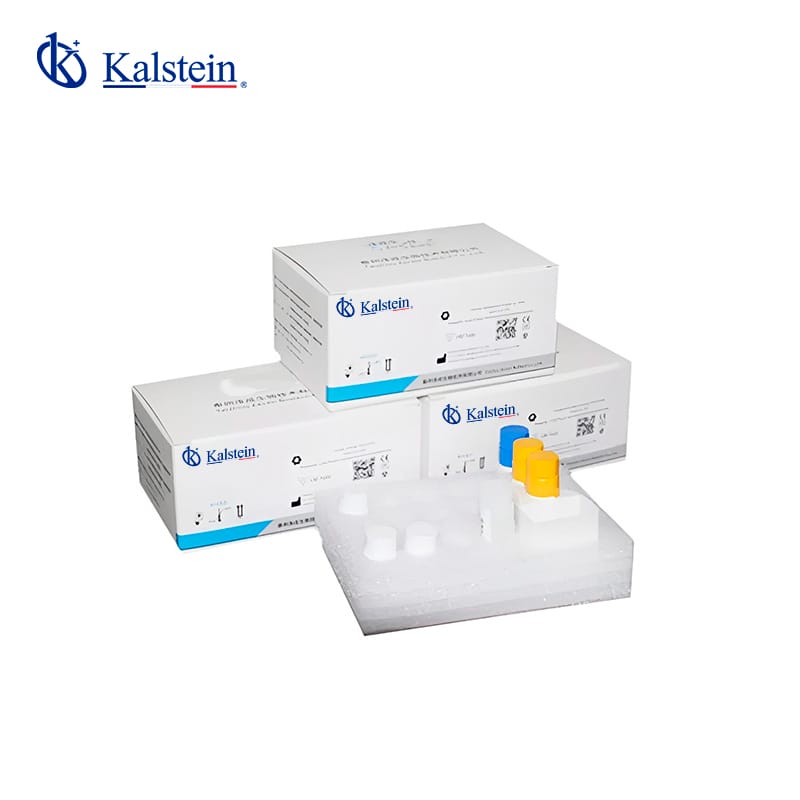
Comparative Analysis of Chemiluminescence Reagents: Evaluating Key Technologies
Chemiluminescence reagents have revolutionized diagnostic testing, particularly in the realm of thyroid disease analysis. These reagents facilitate rapid and precise results, aiding in clinical decision-making. In this article, we will undertake a detailed comparative analysis of several key models that fall under this category, focusing on their specifications, applications, and how they fare against alternative technologies in the market.
Understanding Chemiluminescence Reagents
Chemiluminescence reagents are essential in immunoassay techniques, where light emission is used to quantify analytes. These reagents are particularly advantageous for their high sensitivity, enabling the detection of low-concentration biomarkers. They play a crucial role in various laboratory settings, especially for thyroid function tests, where they measure hormones and antibodies relevant to thyroid diseases.
Comparison of Available Models
| Model | Test Parameter | Price (USD) | Best For | Calibration Points |
|---|---|---|---|---|
| YRA279 | TT3, TT4, TSH | 15.00 | General thyroid function assessment | 2/6 |
| YRA280 | FT3, FT4 | 15.00 | Detailed thyroid hormone analysis | 2/6 |
| YRA281 | TPOAb, TRAb | 15.00 | Autoimmune thyroid disease testing | 2/6 |
| YRA282 | TGAb, TT3 | 15.00 | Comprehensive thyroid disease diagnostics | 2/6 |
| YRA283 | FT3, FT4 | 15.00 | Endocrinology research applications | 2/6 |
| YRA284 | TT4, TSH | 35.00 | High-throughput testing | 2/6 |
Key Features of Chemiluminescence Reagents
When evaluating chemiluminescence reagents, it's crucial to consider their sensitivity, specificity, and the range of tests they can perform. The YRA models excel in various parameters required for thyroid disease testing, providing a comprehensive analysis that includes hormones such as TSH, TT3, TT4, and antibodies like TPOAb and TRAb. The sensitivity of these reagents is particularly beneficial for early detection and diagnosis.
Technical Comparison: Chemiluminescence vs Alternative Technologies
Chemiluminescence reagents offer significant advantages over traditional methods such as enzyme-linked immunosorbent assays (ELISA) and radioimmunoassays (RIA). The sensitivity of chemiluminescence allows for the quantification of virtually undetectable analytes, making it a preferred choice for modern laboratories. In contrast, ELISAs may require larger sample volumes and longer processing times, making chemiluminescence reagents a more efficient option.
Common Mistakes and How to Avoid Them
Laboratory professionals often face challenges when selecting and using chemiluminescence reagents. Common mistakes include not calibrating instruments properly, which can lead to inaccurate results. It's essential to follow calibration guidelines specific to each model, such as the YRA models, which recommend a two to six-point calibration to ensure reliability and accuracy in test results.
Advantages of Using Chemiluminescence Reagents
The primary advantages of chemiluminescence reagents include their high sensitivity, rapid processing times, and versatility in testing a wide range of analytes. For instance, the YRA models can deliver comprehensive thyroid function analysis in a single test, which significantly reduces the time and resources required for diagnosis. This efficiency translates into better patient outcomes and streamlined lab operations.
Best Practices for Implementing Chemiluminescence Reagents
To maximize the effectiveness of chemiluminescence reagents, laboratories should adopt best practices, such as regular equipment maintenance, adherence to manufacturer guidelines, and ongoing training for lab personnel. Implementing a robust quality control procedure is also crucial to ensuring the accuracy and reliability of test results.
Future Trends in Chemiluminescence Technology
The future of chemiluminescence technology appears promising, with advancements aimed at increasing sensitivity and reducing costs. Innovations such as microfluidic technologies and automation are expected to enhance the throughput of chemiluminescence assays, enabling laboratories to meet rising demand while maintaining high-quality standards.
Frequently Asked Questions
What are the key advantages of using chemiluminescence reagents for thyroid testing?
Chemiluminescence reagents provide high sensitivity and specificity, which is critical for accurate thyroid testing. Models like YRA279 allow for comprehensive analysis of TSH, TT3, and TT4, making them ideal for diagnosing thyroid-related illnesses effectively.
How does the YRA280 model perform in comparison to other thyroid disease test kits?
The YRA280 model excels in assessing FT3 and FT4 levels, offering a detailed analysis that is often superior to traditional methods. Its sensitivity allows for the detection of even slight variations, which is crucial for accurate diagnosis.
What calibration points are recommended for the YRA285 chemiluminescence reagent?
For the YRA285 model, a calibration range of 2 to 6 points is recommended. This ensures that the assay remains precise and reliable across various sample types, which is essential for maintaining quality control in the laboratory.
Which chemiluminescence reagent is best suited for autoimmune thyroid disease testing?
The YRA281 model is specifically designed for testing parameters such as TPOAb and TRAb, making it highly effective for diagnosing autoimmune thyroid diseases. Its sensitive detection capabilities support accurate assessments.
How often should calibration be performed for chemiluminescence analyzers?
Calibration for chemiluminescence analyzers, such as those using YRA models, should be performed regularly, ideally daily or weekly, depending on the testing volume. Consistent calibration helps ensure accuracy in test results, critical for patient care.
What challenges do laboratories face when implementing chemiluminescence technology?
Laboratories may encounter challenges such as the need for skilled personnel and the complexity of maintaining calibration and quality control. However, models like YRA284 streamline the testing process, offering user-friendly protocols that mitigate these challenges.
What is the typical cost range for chemiluminescence reagent kits?
The cost for chemiluminescence reagent kits typically ranges from $15 to $35, depending on the model and its testing capabilities. For example, the YRA284 kit costs $35 and is designed for high-throughput situations.
How can I ensure quality control when using chemiluminescence reagents?
Implementing a robust quality control program that includes regular calibration, maintenance of equipment, and adherence to manufacturer guidelines is essential. For example, the YRA279 model provides specific calibration recommendations to help maintain assay integrity.
If you are looking for a fusion of innovation and quality, you have come to the right place. At Kalstein, we offer you the luxury of exploring our exclusive catalog of laboratory equipment. We manufacture every device to the highest standards of excellence. Our intuitive and seamless online purchasing channels are designed for your convenience, securing the most competitive prices. Hesitate no longer — we bring science to life, it is time to become part of our community.