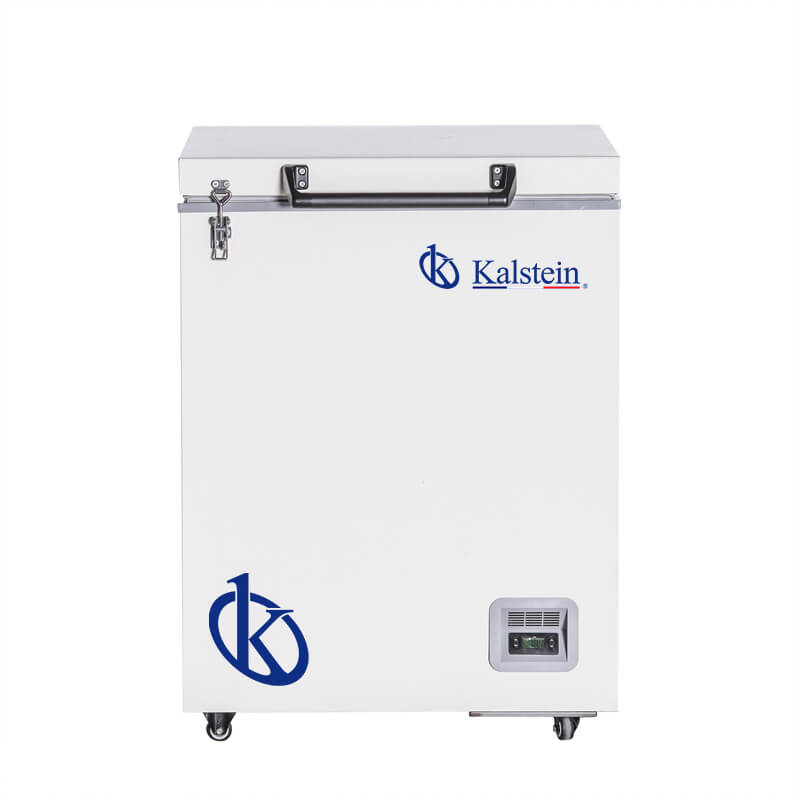
Comparative Analysis of Chest Freezers: Choosing the Best Option for Your Laboratory Needs
In laboratory settings, the choice of a chest freezer is critical for ensuring the integrity and preservation of sensitive samples. This article delves into the comparative analysis of multiple chest freezer models, focusing on their specifications, performance, safety features, and the technological advancements that distinguish them in the market. Understanding these aspects is essential for laboratory professionals to make informed decisions as they navigate the complexities of equipment procurement.
Understanding Chest Freezers in Laboratory Context
Chest freezers are essential for laboratories that require reliable storage solutions for biological samples, chemicals, and pharmaceuticals. The selection criteria often hinge on temperature range, energy efficiency, footprint, and special features that enhance usability and safety. This comparative assessment of various models will highlight their unique attributes and help identify the best fit for specific laboratory requirements.
Comparison of Available Models
| Model | Temperature Range (°C) | Energy Consumption (kWh/24h) | Noise Level (dB) | Best For |
|---|---|---|---|---|
| YR05102 | -10 to -40 | 1.65 | 50 | General laboratory use |
| YR05103 | -10 to -40 | 1.68 | 52 | Mid-sized laboratories |
| YR05104 | -20 to -40 | 3.45 | 55 | Research applications requiring lower temperatures |
| YR05314 | -40 to -86 | 11.5 | 54.5 | Biomedical applications requiring ultra-low temperatures |
| YR05313 | -40 to -86 | 3.8 | 50 | Small laboratories requiring compact storage |
| YR05315 | -25 to -60 | 3.2 | 53 | Storage of vaccines and sensitive biological materials |
Key Considerations When Selecting a Chest Freezer
When comparing chest freezers, it is vital to consider several factors that impact their performance and suitability:
- Temperature Stability: Evaluate the temperature range and stability offered by each model, as this affects the preservation of sensitive samples.
- Energy Efficiency: Analyze energy consumption metrics to reduce operational costs in the long run.
- Noise Level: Consider the noise output, especially in environments where a quiet setting is necessary.
- Safety Features: Look for alarm systems and door locking mechanisms that enhance sample security.
Technical Features and Specifications of Top Chest Freezers
YR05102: A Versatile Chest Freezer for General Use
The Horizontal Freezer YR05102 offers a temperature range of -10 to -40 °C with a reliable microprocessor control. It boasts an energy consumption of 1.65 kWh/24 hours, making it efficient for standard laboratory applications.
YR05103: Ideal for Mid-Sized Laboratories
This model, YR05103, has similar temperature range capabilities as the YR05102 but consumes slightly more energy at 1.68 kWh/24 hours. Its design is optimized for mid-sized labs that require more storage space without compromising on performance.
YR05104: Research Applications Requiring Lower Temperatures
The YR05104 excels in providing a temperature range of -20 to -40 °C with a higher energy consumption of 3.45 kWh/24 hours. This model is tailored for research applications that demand stringent temperature control.
YR05314: Ultra-Low Temperature Performance
For laboratories needing ultra-low temperature storage, the YR05314 is unmatched with a range of -40 to -86 °C. However, it has a high energy consumption of 11.5 kWh/24 hours, suitable for biomedical applications.
YR05313: Compact Solution for Small Laboratories
The YR05313 provides an effective solution for smaller labs, offering -40 to -86 °C temperature capabilities with a consumption of 3.8 kWh/24 hours. It is designed for environments with limited space.
YR05315: Ideal for Biomedical Storage Needs
The YR05315 operates at temperatures between -25 and -60 °C and has an energy consumption of 3.2 kWh/24 hours, making it perfect for storing vaccines and sensitive biological materials.
Common Mistakes and How to Avoid Them
Laboratory professionals can sometimes overlook critical factors in selecting a chest freezer, leading to suboptimal choices. Here are common mistakes and tips to avoid them:
- Ignoring Temperature Specifications: Ensure that the freezer's temperature capabilities align with the specific needs of your samples.
- Overlooking Energy Costs: Analyze the total cost of ownership, including energy consumption, to avoid overspending on utility bills.
- Neglecting Safety Features: Prioritize models that include robust safety and alarm systems to protect valuable samples.
- Failing to Assess Space Requirements: Evaluate the physical footprint of the units to ensure they fit into the designated lab space.
Frequently Asked Questions
What is the best chest freezer for storing biological samples in a laboratory?
The YR05314 model is recommended for maintaining ultra-low temperatures of -40 to -86 °C, making it ideal for sensitive biological samples.
How much energy does a laboratory chest freezer consume on average?
Energy consumption varies by model; for example, the YR05102 consumes 1.65 kWh/24 hours, which can impact operational costs significantly.
Which chest freezer models have the best safety features for laboratories?
Models like the YR05314 include extensive alarm systems for temperature fluctuations, enhancing the security of stored samples.
What temperature range is necessary for vaccine storage in a laboratory?
The YR05315 model maintains a temperature range of -25 to -60 °C, suitable for storing vaccines effectively in laboratory settings.
How can I determine the right size chest freezer for my laboratory?
Assess your storage needs and available space; for instance, smaller labs may benefit from the compact YR05313 model, which fits limited areas while providing essential storage.
What should I consider regarding noise levels in chest freezers?
Noise levels can vary; for example, the YR05102 operates at 50 dB, making it suitable for quieter laboratory environments where low noise levels are a priority.
How do I maintain the efficiency of my chest freezer in a laboratory?
Regular maintenance, including checking seals and cleaning condenser coils, can enhance the efficiency of models like YR05103, prolonging their lifespan and performance.
What is the average lifespan of a laboratory chest freezer?
The lifespan can vary, but high-quality models like the YR05104 are designed for long-term use, typically lasting over 10 years with proper maintenance.
If you are looking for a fusion of innovation and quality, you have come to the right place. At Kalstein, we offer you the luxury of exploring our exclusive catalog of laboratory equipment. We manufacture every device to the highest standards of excellence. Our intuitive and seamless online purchasing channels are designed for your convenience, securing the most competitive prices. Hesitate no longer — we bring science to life, it is time to become part of our community.