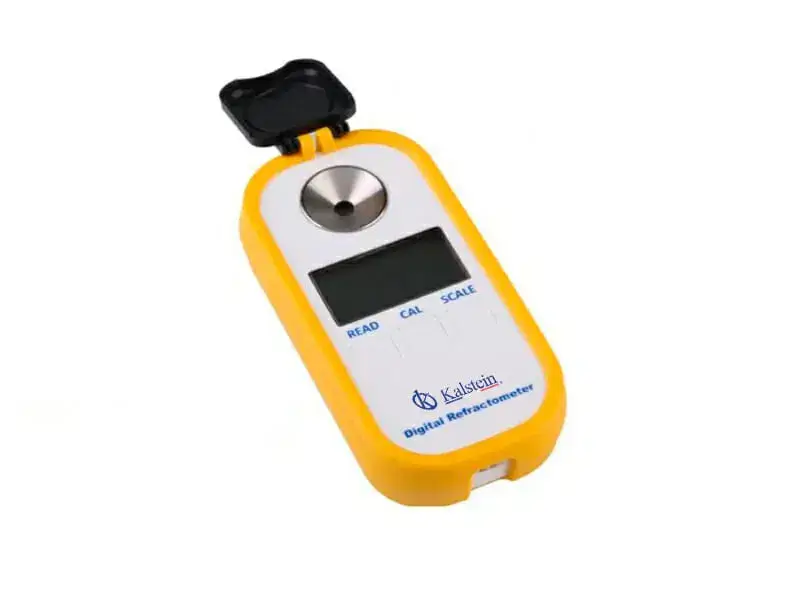
Comparative Analysis of Digital Salinity Refractometers Against Alternative Technologies
The landscape of laboratory equipment continuously evolves, with digital salinity refractometers at the forefront of measuring solution salinity in various fields. This article presents a detailed comparative analysis of several leading models in the digital salinity refractometer category, highlighting their features, applications, and how they measure up against alternative technologies. With a focus on operational efficiency, accuracy, and user experience, we aim to provide laboratory professionals with the insights needed to make informed purchasing decisions.
Understanding Digital Salinity Refractometers
Digital salinity refractometers are essential devices in laboratories where precise measurement of salinity is crucial. They are commonly used in oceanography, aquaculture, and food production, amongst other applications. These instruments offer a straightforward way to obtain accurate readings with minimal sample requirements, frequently using a digital display for easy interpretation of results.
Comparison of Available Models
| Model | Measurement Range | Minimum Division | Accuracy | Automatic Temperature Compensation (ATC) | Best For |
|---|---|---|---|---|---|
| YR05953 | 0.0–28.0% | 0.10% | ±0.1% | Yes | Simple salinity measurements in various solutions. |
| YR05954 | 0–280‰ | 1‰ | ±1‰ | Yes | General laboratory applications requiring wide salinity range. |
| YR05955 | 1.000-1.217 | 0.001 | ±0.002 | Yes | Density measurements in addition to salinity. |
| YR05956 | 1.3330–1.3900 nD | 0.0001 nD | ±0.0003 nD | Yes | Precision refractive index measurements alongside salinity. |
| YR05957 | 0–100‰ | 1‰ | ±2‰ | Yes | Broad applications with high salinity solutions. |
| YR05958 | 0–57‰ | 1‰ | ±2‰ | Yes | Field measurements in aquaculture and marine studies. |
Common Mistakes and How to Avoid Them
When selecting a digital salinity refractometer, several common pitfalls should be avoided. Firstly, failing to consider the measurement range can lead to inaccurate readings, especially in extreme salinity conditions. Additionally, neglecting the importance of automatic temperature compensation (ATC) may result in erroneous results due to temperature fluctuations. It is crucial to choose a model that fits the specific needs of your laboratory operations, such as the YR05954 for general applications or the YR05956 for precise index measurements.
Comparative Features: Digital Salinity Refractometers vs. Alternative Technologies
When evaluating digital salinity refractometers against alternative measurement technologies, such as hydrometers and titrators, several factors come into play:
1. Sensitivity and Accuracy
Digital salinity refractometers generally provide higher sensitivity and accuracy compared to traditional hydrometers, which can be affected by temperature and require manual readings. Models like the YR05956 are designed for precision, making them suitable for rigorous laboratory standards.
2. Speed of Measurement
Compared to titrators, which may require multiple steps and reagents, digital refractometers like the YR05953 deliver immediate readings with just a drop of sample, enhancing workflow efficiency.
3. User Experience
Digital interfaces in refractometers simplify the reading process, making them user-friendly. This is especially beneficial in high-throughput environments where time is of the essence.
4. Cost-Effectiveness
Initial investments in digital refractometers may appear higher; however, their longevity and minimal maintenance requirements can lead to cost savings over time. For instance, the YR05954, priced at $76.00, is an economical option for labs requiring reliable performance.
Key Application Scenarios
Understanding the specific applications of each model is vital for selecting the right refractometer for your needs. The YR05957, with a range of 0–100‰, is ideal for marine research, while the YR05958 is better suited for aquaculture, where lower salinity levels are often encountered.
Marine Research
Marine biologists often require accurate salinity measurements at various depths. Models like the YR05954 offer a wide measurement range, making them invaluable in such settings.
Aquaculture
In aquaculture, maintaining optimal salinity levels is crucial for fish health. Models such as the YR05958 are specifically designed to provide rapid salinity assessments, ensuring optimal conditions.
Food Production
In the food industry, salinity levels can affect product quality. The YR05955, capable of measuring density alongside salinity, is useful in ensuring consistency in products like brined foods.
Frequently Asked Questions
How do digital salinity refractometers compare to traditional methods in 2023?
Digital salinity refractometers, such as the YR05953, provide superior accuracy and speed than traditional methods like hydrometers. They also feature automatic temperature compensation, ensuring reliable results under varying conditions, unlike traditional methods that require manual adjustments.
Which digital salinity refractometer model is best for laboratory use?
The YR05954 is highly recommended for laboratory use because of its broad measurement range of 0-280‰ and high accuracy of ±1‰, making it suitable for various applications requiring precise salinity measurements.
What maintenance is required for digital salinity refractometers?
Regular calibration checks are necessary for models like the YR05956 to ensure accuracy. Cleaning the prism with distilled water after each use will also maintain performance and prevent contamination of samples.
How accurate are digital salinity refractometers compared to titration methods?
Digital salinity refractometers, such as the YR05955, typically offer higher accuracy with a smaller margin of error than titration methods, which can be influenced by subjective interpretation of endpoints.
What is the average lifespan of a digital salinity refractometer?
The lifespan of models like the YR05957 can exceed several years with proper care and regular calibration, making them a reliable investment for laboratories focused on salinity measurements.
How often should I calibrate my digital salinity refractometer?
Calibration of models such as the YR05958 is recommended at least once a month or before critical measurements to ensure accurate results, especially in environments with fluctuating temperatures.
Conclusion
In conclusion, digital salinity refractometers stand out in the field of laboratory measurement tools. Their combination of accuracy, speed, and user-friendly interfaces makes them indispensable for professionals across various industries. When comparing models, it's essential to consider your specific requirements—whether it's for marine research, aquaculture, or food production—to select the best fit for your needs.
If you are looking for a fusion of innovation and quality, you have come to the right place. At Kalstein, we offer you the luxury of exploring our exclusive catalog of laboratory equipment. We manufacture every device to the highest standards of excellence. Our intuitive and seamless online purchasing channels are designed for your convenience, securing the most competitive prices. Hesitate no longer — we bring science to life, it is time to become part of our community.