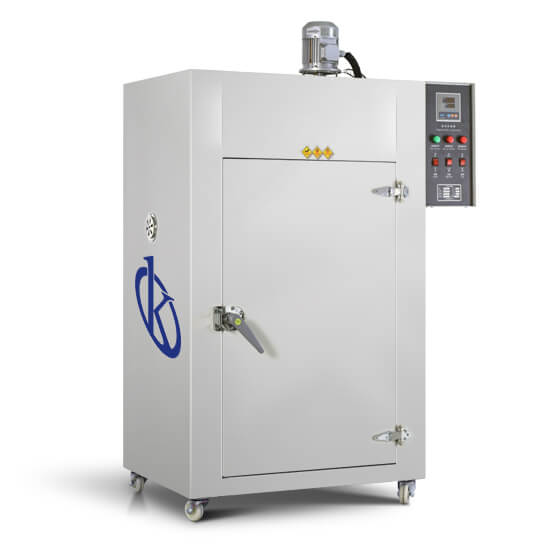
Comparative Analysis of Industrial Ovens: Evaluating Key Models Against Alternative Technologies
In the realm of industrial applications, selecting the right oven can significantly impact performance, efficiency, and operational cost. This article delves deep into the comparative analysis of various industrial ovens, focusing on their specifications, advantages, and suitability within different industrial contexts. We will explore the unique features of models like the Electric Heating Drying Stove YR05256-A, YR05257-1-A, YR05258-SS, and YR05259-1-SS, while also contrasting them with alternative oven technologies to help professionals make informed decisions.
Understanding Industrial Ovens and Their Role
Industrial ovens are essential pieces of equipment in numerous sectors, including manufacturing, electronics, and chemical processing. They are primarily used for drying, curing, and sterilizing materials. As demands for precision and efficiency rise, it's crucial to evaluate how different models stack up against one another and against alternative technologies. This ensures that businesses can optimize their production processes while maintaining high-quality outputs.
Comparison of Available Models
| Model | Temperature Range (°C) | Capacity (Liters) | Power (kW) | Price (USD) | Best for |
|---|---|---|---|---|---|
| YR05256-A | RT+5 - 250 | 300 | 4 - 6 | 580.00 | Batch production and drying |
| YR05257-1-A | RT+5 - 250 | 864 | 8 - 12 | 1010.00 | Heavy industrial use |
| YR05258-SS | RT+5 - 250 | 300 | 4 - 6 | 860.00 | Electronics industry applications |
| YR05259-1-SS | RT+5 - 250 | 864 | 8 - 12 | 1510.00 | Jewelry and alloy applications |
Evaluating Temperature Control Technologies
Temperature control is a critical feature in industrial ovens, influencing the accuracy and efficiency of the drying or curing process. Models like the YR05257-1-A and YR05259-1-SS utilize microcomputer-controlled systems to ensure precise thermal management. This technology enables operators to maintain stable temperatures with minimal fluctuations, which is vital for industries requiring strict compliance with quality standards.
Key Features of Temperature Control Systems
The temperature control system in these ovens provides several benefits, including reduced energy consumption and enhanced product quality. The advanced monitoring systems also allow for real-time adjustments, ensuring that the desired temperature is maintained throughout the operational cycle. This is particularly important for time-sensitive processes in sectors such as electronics and pharmaceuticals.
Energy Efficiency and Environmental Impact
With growing concerns over environmental impact, energy efficiency is a pivotal consideration when selecting industrial ovens. The YR05256-A and YR05258-SS models are designed with energy-saving features that contribute to lower operational costs and reduced carbon footprints. Evaluating energy consumption in kilowatt-hours (kWh) per run can help organizations achieve sustainability goals.
Energy Consumption Comparison Table
| Model | Energy Consumption per Run (kWh) | Annual Energy Cost (USD) |
|---|---|---|
| YR05256-A | 15 | 120 |
| YR05257-1-A | 20 | 160 |
| YR05258-SS | 15 | 120 |
| YR05259-1-SS | 20 | 160 |
Performance Comparison: Batch vs. Continuous Operations
Understanding the operational context is essential for selecting the right model. The choice between batch and continuous operations can affect throughput and productivity. Models such as YR05257-1-A are more suited for high-volume continuous processes, while YR05256-A is ideal for smaller batch operations.
Common Mistakes and How to Avoid Them
When selecting an industrial oven, common pitfalls include overlooking temperature profiles, ignoring energy costs, and failing to assess compatibility with existing systems. It is essential to conduct a thorough needs assessment and consult with technical experts to ensure that the selected model aligns with operational requirements. Additionally, investing in training for staff on the specific features of the chosen oven can lead to significant improvements in efficiency and safety.
Frequently Asked Questions
Which industrial oven model is best for high-volume drying applications?
The Electric Heating Drying Stove YR05257-1-A is highly recommended for high-volume drying applications due to its larger capacity of 864 liters and higher power output of 8-12 kW, making it suitable for continuous operations in industrial settings.
How does the temperature control of industrial ovens impact product quality?
Temperature control directly impacts product quality by ensuring that materials are dried or cured evenly without overheating. Models like the YR05258-SS utilize smart microcomputer control to maintain temperature stability, crucial for industries like electronics.
What energy consumption should I expect from industrial ovens?
Energy consumption varies by model, with the YR05256-A and YR05258-SS consuming approximately 15 kWh per run. This translates to an annual energy cost of around 120 USD, depending on usage frequency and local energy rates.
What are the advantages of using stainless steel in industrial ovens?
Stainless steel enhances durability, corrosion resistance, and hygiene in industrial ovens. For instance, the YR05258-SS features a stainless steel chamber, making it ideal for environments where cleanliness and longevity are priorities.
Which industrial oven is best for electronic component drying?
The Electric Heating Drying Stove YR05258-SS is best for electronic component drying due to its uniform heating and energy-efficient design, which is crucial for preventing damage during the drying process.
What factors should I consider when choosing an industrial oven for my lab?
Key factors include temperature range, capacity, energy efficiency, and specific application requirements. Evaluating models like the YR05257-1-A for batch processing or YR05259-1-SS for continuous processes can guide your selection based on operational needs.
How can I ensure compliance with industry standards when using an industrial oven?
To ensure compliance, select models like YR05257-1-A that offer precise temperature control and are designed to meet industry standards. Regular maintenance and calibration should also be performed to maintain compliance.
What are the common applications for industrial ovens in laboratories?
Common applications include drying, curing, and sterilizing materials in laboratories. Models such as YR05256-A and YR05258-SS are widely used for these purposes, catering to various industrial needs ranging from electronics to pharmaceuticals.
If you are looking for a fusion of innovation and quality, you have come to the right place. At Kalstein, we offer you the luxury of exploring our exclusive catalog of laboratory equipment. We manufacture every device to the highest standards of excellence. Our intuitive and seamless online purchasing channels are designed for your convenience, securing the most competitive prices. Hesitate no longer — we bring science to life, it is time to become part of our community.