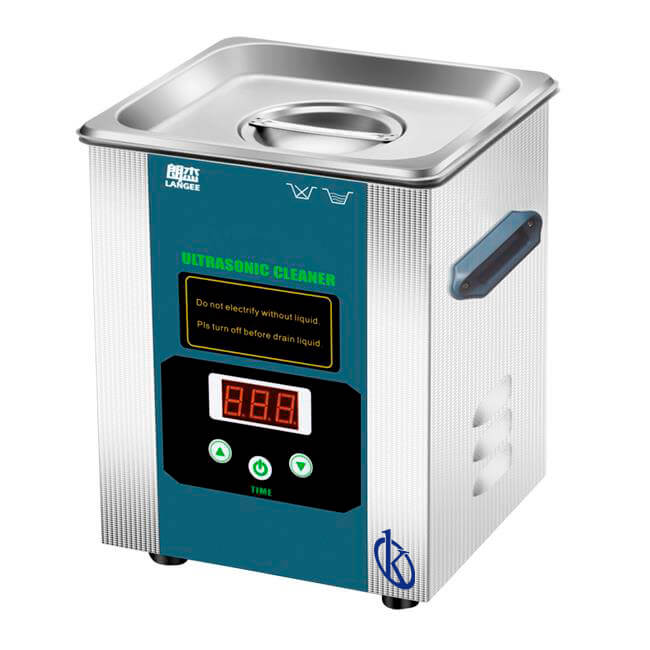
Comparative Analysis of Mechanical Desktop Ultrasonic Cleaners: Choosing the Right Technology
Mechanical desktop ultrasonic cleaners are essential tools in various laboratory settings, offering efficient cleaning solutions through ultrasonic wave technology. This article delves into the comparative analysis of multiple models within this subcategory, focusing on their unique specifications and applications. By understanding these differences, laboratory professionals can make informed purchasing decisions that meet their specific cleaning needs and align with their operational protocols.
Understanding the Role of Mechanical Desktop Ultrasonic Cleaners
Ultrasonic cleaners work by employing high-frequency sound waves to create microscopic bubbles in a cleaning solution. The principle of cavitation, where these bubbles implode, enables the effective removal of contaminants from surfaces. In laboratory environments, these devices are crucial for cleaning delicate instruments, glassware, and other items that require gentle yet thorough cleaning methods.
Comparison of Available Models
| Model | Best For | Capacity (L) | Power (W) | Price (USD) |
|---|---|---|---|---|
| YR05207 | Jewelry and small items | 1.3 | 70 | 43.00 |
| YR05202 | Laboratory and medical applications | 11 | 240 | 540.00 |
| YR05203 | Medium-sized laboratory tasks | 15 | 360 | 640.00 |
| YR05204 | Large sample cleaning | 20 | 360 | 680.00 |
| YR05205 | Extensive laboratory use | 22 | 480 | 760.00 |
| YR05206 | High-capacity cleaning | 30 | 600 | 810.00 |
Key Differences Among Ultrasonic Cleaner Models
Choosing the right ultrasonic cleaner involves understanding key specifications such as capacity, cleaning power, and intended use. For instance, the YR05207 model is ideal for jewelry and delicate items due to its smaller capacity of 1.3L and lower power. In contrast, the YR05206 model, with a capacity of 30L and a power rating of 600W, is designed for high-capacity cleaning tasks, making it suitable for extensive laboratory applications.
Understanding Power and Frequency in Ultrasonic Cleaners
Power and frequency are critical parameters influencing the cleaning efficiency of ultrasonic cleaners. Most models in this category operate at a frequency of 40kHz, which is suitable for general cleaning. However, some models offer multiple frequencies like the YR05202, which includes 40/80/120 kHz settings, allowing users to customize their cleaning approach based on the items being cleaned. This flexibility can greatly enhance cleaning performance while protecting sensitive surfaces.
Efficiency in Cleaning: Cavitation Explained
The effectiveness of ultrasonic cleaners relies heavily on cavitation. The imploding bubbles produced during the process create micro-jets that dislodge contaminants. Models like the YR05203 and YR05205, with higher power ratings, can produce more intense cavitation effects, allowing for deeper cleaning of heavily soiled items. Understanding this mechanism helps labs select models that match their cleaning requirements and contamination levels.
Common Mistakes and How to Avoid Them
When selecting an ultrasonic cleaner, common mistakes include underestimating the cleaning capacity required or choosing a model without considering frequency settings. It is crucial to evaluate the type of items being cleaned and their contamination level. For instance, using a lower-powered model for heavily soiled medical instruments may lead to unsatisfactory results. Always align the model’s specifications with the lab’s cleaning needs.
Maintenance and Care for Ultrasonic Cleaners
Regular maintenance is essential for the longevity and performance of ultrasonic cleaners. This includes routine cleaning of the tank, checking connections, and ensuring that the cleaning solution is adequately filtered. Some models, like the YR05206, may need more frequent maintenance due to their high-capacity use. Following manufacturer recommendations can help maintain peak performance and extend the lifespan of the equipment.
Frequently Asked Questions
What is the best frequency for cleaning with a mechanical desktop ultrasonic cleaner?
The best frequency largely depends on the application. For general cleaning, a frequency of 40kHz, like that found in models such as YR05207, is effective for most laboratory items. However, for sensitive materials or intricate designs, using models with adjustable frequencies, such as YR05202, can enhance cleaning outcomes.
How much cleaning solution should I use in a mechanical desktop ultrasonic cleaner?
The amount of cleaning solution depends on the model's tank capacity. For example, the YR05207 requires only 1.3L, while larger models like the YR05206 require up to 30L. Always fill the tank to the appropriate level to ensure proper cleaning efficiency and avoid damage.
What are the energy consumption rates for mechanical desktop ultrasonic cleaners?
Energy consumption can vary based on the model and power rating. For instance, the YR05202 operates at 240W, making it relatively energy-efficient for laboratory tasks. It is essential to consider energy consumption in operational costs when purchasing a unit.
Which mechanical desktop ultrasonic cleaner is best for jewelry cleaning?
The YR05207 is specifically designed for jewelry and delicate items due to its smaller tank and lower power output, minimizing the risk of damage during cleaning. This model is ideal for those in the jewelry industry looking for effective cleaning solutions.
Can mechanical desktop ultrasonic cleaners be used for medical instruments?
Yes, models like the YR05202 and YR05203 are well-suited for medical instruments. They provide adequate cleaning capacity and power necessary for adhering to laboratory standards, ensuring thorough disinfection.
How does the price of ultrasonic cleaners correlate with their features?
Generally, higher-priced models like the YR05206 offer enhanced features such as larger capacity, higher power, and adjustable frequencies. These features often justify the cost by providing greater versatility and efficiency in cleaning applications.
What are the safety features to look for in mechanical desktop ultrasonic cleaners?
Many ultrasonic cleaners include safety features such as automatic shut-off timers and overheat protection. Models like the YR05205 are designed with safety in mind, making them suitable for continuous laboratory use.
How can I ensure optimal cleaning results with my ultrasonic cleaner?
To achieve optimal cleaning results, select the appropriate model based on your needs, maintain routine cleaning of the unit, and use the recommended cleaning solutions. Models like the YR05203 can provide flexibility in cleaning frequencies to match various applications.
If you are looking for a fusion of innovation and quality, you have come to the right place. At Kalstein, we offer you the luxury of exploring our exclusive catalog of laboratory equipment. We manufacture every device to the highest standards of excellence. Our intuitive and seamless online purchasing channels are designed for your convenience, securing the most competitive prices. Hesitate no longer — we bring science to life, it is time to become part of our community.