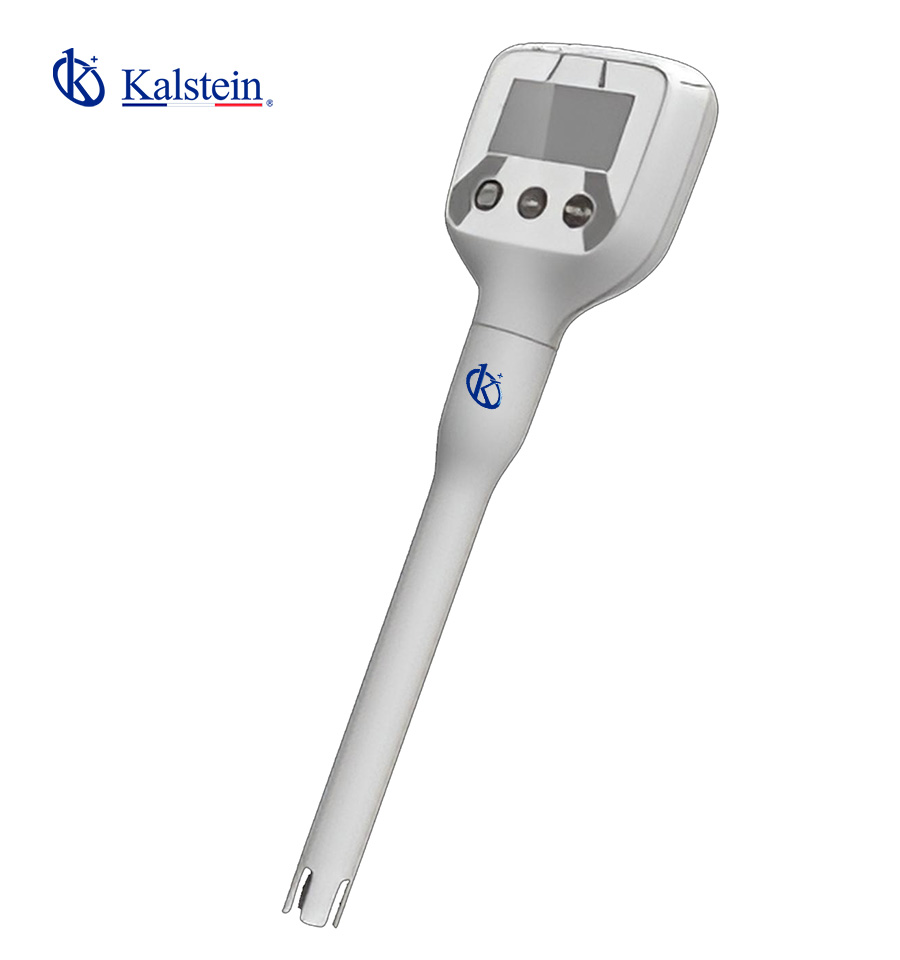
Comparative Analysis of Portable Conductivity Meters: Key Features and Applications
Portable conductivity meters are essential tools in various laboratory settings, allowing for quick and accurate measurements of conductivity, Total Dissolved Solids (TDS), and salinity in different sample types. With advancements in technology and design, the current market offers a variety of models that cater to specific needs across various applications. This article presents a comparative analysis of several portable conductivity meters, focusing on their features, applications, and how they stand against alternative technologies available in the market.
Understanding Portable Conductivity Meters
Portable conductivity meters, designed for field and laboratory use, measure the ability of a solution to conduct electricity, which is directly related to the concentration of ions present in the solution. These meters are crucial in fields such as environmental monitoring, agriculture, pharmaceuticals, and food and beverage industries.
The reliability and accuracy of conductivity measurements are vital for ensuring compliance with industry standards and regulations. Therefore, selecting a meter that meets specific operational requirements can significantly impact the efficiency and accuracy of laboratory results.
Comparison of Available Models
| Model | Measurement Range | Resolution | Accuracy | Calibration Points | Best For | Price (USD) |
|---|---|---|---|---|---|---|
| YR01805 | (0~10)mS/cm | 0.1/1µS/cm; 0.01mS/cm | ±3%FS | 1 Point (1413µS/cm) | General portability and convenience | 24.00 |
| YR01806 | (0.00~19.99)mS/cm | 0.01/0.1mS/cm | ±1.0% FS | 1 to 3 Points | Complex applications needing high accuracy | 149.00 |
| YR01808 | 0 to 20.00 mS/cm | 0.01, 0.1, 1 | ±1% F.S. | 1 to 3 Points | Versatile TDS measurements | 59.00 |
| YR01809 | 0 to 20.00 mS/cm | 0.01, 0.1, 1 | ±1% F.S. | 1 to 3 Points | Multi-parameter measurements | 62.00 |
| YR01810 | 0 to 20.00 mS/cm | 0.01, 0.1, 1 | ±1% F.S. | 1 to 3 Points | Salinity and TDS detection | 65.00 |
| YR01811 | 0.5 to 100.0ppm | 0.1ppm | ±1% F.S. | 1 Point | Budget-friendly for low concentration liquids | 50.00 |
Advantages of Portable Conductivity Meters
The selection of a portable conductivity meter often hinges on the specific needs of the laboratory or the field application. Some key advantages of using portable conductivity meters include:
- Portability: Compact design allows for field use and easy transportation.
- Versatility: Many models offer multi-parameter measurements, catering to various testing needs.
- Ease of Use: User-friendly interfaces and features such as automatic calibration make these meters convenient for quick assessments.
- Durability: Many portable models are designed to withstand harsh environmental conditions, enhancing longevity.
Evaluating Key Specifications
When comparing portable conductivity meters, several specifications should be considered:
- Measurement Range: Determines the types of solutions that can be tested.
- Resolution: The smallest change in conductivity that can be detected, which influences accuracy.
- Accuracy: Critical for ensuring reliable data, especially in compliance-driven environments.
- Calibration Points: More calibration points typically allow for greater accuracy and flexibility in operation.
Common Mistakes and How to Avoid Them
When selecting and using portable conductivity meters, laboratory professionals often make several common mistakes:
- Ignoring Calibration Needs: Regular calibration is essential for accurate measurements. Always verify the calibration of your device before use.
- Inadequate Understanding of Specifications: Not fully understanding the specifications can lead to purchasing a meter that does not meet operational requirements. Always assess your needs before making a selection.
- Neglecting Environmental Factors: Using meters in inappropriate conditions can affect performance. Ensure that the selected model is rated for the environmental conditions of use.
Frequently Asked Questions
What are the key features of the YR01806 portable conductivity meter?
The YR01806 portable conductivity meter features a measurement range of (0.00~19.99)mS/cm, a resolution of 0.01/0.1mS/cm, and an accuracy of ±1.0% FS. It supports automatic temperature compensation and can be calibrated at 1 to 3 points, making it ideal for complex testing environments.
How can the YR01811 model benefit low concentration liquid measurements?
The YR01811 portable TDS meter is designed for low concentration measurements, with a range from 0.5 to 100.0ppm. Its precision of ±1% F.S. and one-point calibration ensures reliable readings, making it ideal for applications involving pure water or other low TDS solutions.
Which portable conductivity meter is best for multi-parameter testing?
The YR01809 model stands out for its capability to measure both conductivity and TDS, with a resolution of 0.01, 0.1, and 1. This versatility makes it suitable for laboratories requiring flexibility in testing various parameters in different solutions.
How does the YR01808 model ensure accurate conductivity readings?
With a calibration capability of 1 to 3 points and an automatic temperature compensation feature, the YR01808 portable conductivity meter delivers accurate results across a wide range of applications, ensuring compliance with industry standards.
What are the best applications for the YR01810 conductivity meter?
The YR01810 is ideal for measuring salinity and TDS levels, providing readings from 0 to 20.00 mS/cm with a resolution of 0.01, 0.1, and 1. Its multi-functional capabilities make it suitable for environmental monitoring, aquaculture, and laboratory research.
How often should portable conductivity meters be calibrated for accurate results?
Portable conductivity meters should be calibrated regularly, ideally before each use or at least once a week, depending on the frequency of use. The YR01806 model, for instance, allows calibration at 1 to 3 points for stable and accurate results in different conditions.
What factors influence the choice of a portable conductivity meter?
Key factors include the intended application, measurement range, required accuracy, ease of calibration, and whether the meter can accommodate multiple parameters. Evaluating models like the YR01809 can help identify the best fit for specific laboratory needs.
Why is it important to consider durability in portable conductivity meters?
Durability is crucial, particularly for field use, as portable meters are exposed to various environmental conditions. Models like the YR01805 boast IP57 ratings, making them resistant to water and dust, which prolongs their operational life and reliability.
If you are looking for a fusion of innovation and quality, you have come to the right place. At Kalstein, we offer you the luxury of exploring our exclusive catalog of laboratory equipment. We manufacture every device to the highest standards of excellence. Our intuitive and seamless online purchasing channels are designed for your convenience, securing the most competitive prices. Hesitate no longer — we bring science to life, it is time to become part of our community.