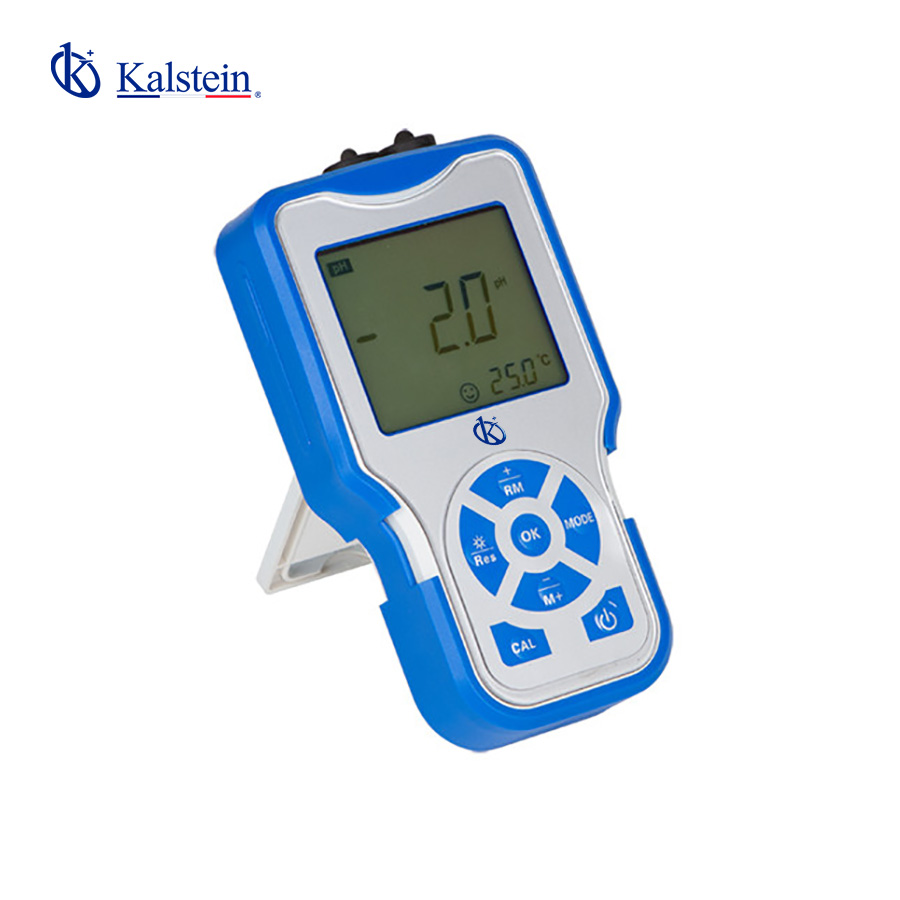
Comparison of Portable Ion Meters: Understanding the Market Alternatives
For laboratory professionals, selecting the right portable ion meter is critical to ensuring precise measurements and achieving compliance with industry standards. Portable ion meters have a wide range of applications, from environmental testing to food safety and clinical analysis. This article provides an in-depth comparison of various models, understanding their unique features and how they stack up against alternative technologies in the market.
Understanding Portable Ion Meters and Their Applications
Portable ion meters are versatile devices designed for measuring the concentration of ions in various samples. They are essential tools across multiple sectors, including environmental monitoring, agriculture, food and beverage quality control, and clinical laboratories. These devices enhance field portability, allowing professionals to conduct on-site assessments without the need for extensive laboratory setups. Choosing the right portable ion meter involves understanding its applications, accuracy, and compatibility with specific ion types.
Technical Comparison of Portable Ion Meters
When comparing portable ion meters, it is essential to consider their technical specifications, including measurement range, accuracy, calibration options, and display features. Each model may offer distinct advantages depending on the intended use. For instance, some meters are specialized for specific ions, while others provide multiparametric measurements, enhancing their utility in various testing scenarios.
Comparison of Available Models
| Model | Application | Price (USD) | Accuracy | Calibration Points |
|---|---|---|---|---|
| YR01816 | Multiparametric measurements (pH, ION) | 94.00 | ± 0.5% F.S. | 2 to 5 points |
| YR01817-1 | Ammonium ion concentration in field applications | 229.00 | ± 0.5% F.S. | 2 to 5 points |
| YR01817-10 | Ammonium ion concentration with advanced features | 500.00 | ± 0.5% F.S. | 2 to 5 points |
| YR01817-11 | Professional ammonium measurements | 500.00 | ± 0.5% F.S. | 2 to 5 points |
| YR01817-12 | Portable ammonium analysis | 500.00 | ± 0.5% F.S. | 2 to 5 points |
| YR01817-13 | Advanced ammonium ion measurement | 500.00 | ± 0.5% F.S. | 2 to 5 points |
Common Mistakes and How to Avoid Them
When selecting and using portable ion meters, laboratory professionals often make common mistakes that can lead to inaccurate readings and inefficient workflows. One significant error is failing to calibrate the device properly before use. Calibration is crucial for ensuring that the measurements obtained are reliable and fit for purpose. Additionally, neglecting to choose the appropriate ion meter for the specific application can result in compromised data quality. Always consider the specific ion type and concentration range required for your analysis when selecting a portable ion meter.
Frequently Asked Questions
Which portable ion meter is best for measuring ammonium concentration?
The Portable Ammonium Ion Meter YR01817-1 is ideal for measuring ammonium concentration effectively. It provides a precision of ± 0.5% F.S. and allows calibration from 2 to 5 points, making it suitable for field applications.
How do I ensure accurate measurements with portable ion meters?
To ensure accuracy with portable ion meters like the YR01816, it is essential to calibrate the device regularly according to the manufacturer's instructions. Regular maintenance and proper cleaning of electrodes also contribute to precise measurements.
What are the key features to look for in a portable ion meter?
Key features include measurement range, accuracy, calibration options, and display type. For example, the YR01817 series offers advanced features such as automatic electrode diagnostics and temperature compensation to enhance measurement reliability.
How often should I calibrate my portable ion meter?
Calibration frequency depends on usage and environmental factors. Generally, it is advisable to calibrate portable ion meters like the YR01816 before each use or daily, especially in environments with fluctuating temperatures or high humidity.
Which portable ion meter is best for fieldwork?
The Portable Ammonium Ion Meter YR01817-1 is specifically designed for outdoor applications, featuring a rugged design and an LCD display that enhances usability in various conditions.
What is the price range for portable ion meters?
Prices for portable ion meters can vary significantly based on features and specifications. For instance, the YR01816 is priced at approximately $94, while models like the YR01817-10 and YR01817-12 are around $500, reflecting their advanced capabilities.
How do portable ion meters compare to fixed laboratory instruments?
Portable ion meters provide flexibility and convenience for on-site measurements, while fixed laboratory instruments often offer higher precision and broader range capabilities. The choice depends on the specific measurement requirements and operational context.
What are the environmental considerations when using portable ion meters?
When using portable ion meters, it is important to consider their environmental impact, including battery usage and the disposal of chemical waste. Selecting energy-efficient models and ensuring proper disposal of ion electrodes can reduce environmental footprints.
If you are looking for a fusion of innovation and quality, you have come to the right place. At Kalstein, we offer you the luxury of exploring our exclusive catalog of laboratory equipment. We manufacture every device to the highest standards of excellence. Our intuitive and seamless online purchasing channels are designed for your convenience, securing the most competitive prices. Hesitate no longer — we bring science to life, it is time to become part of our community.