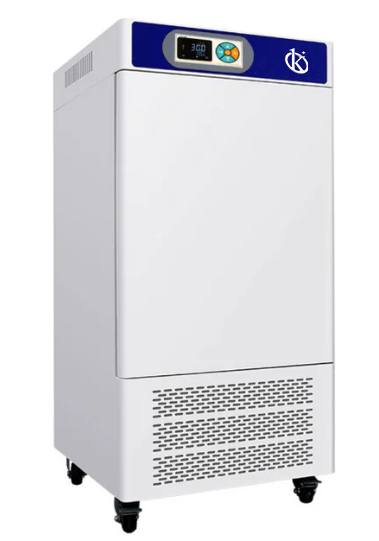
Constant Temperature and Humidity Incubators: Practical Applications and Techniques 2026
Constant Temperature and Humidity Incubators are essential tools in modern laboratories, ensuring precise environmental conditions for a variety of applications. In 2026, understanding how to effectively utilize these incubators is crucial for laboratory professionals. This article delves into their applications, best practices, and techniques to maximize their effectiveness.
What is it used for in 2026
In 2026, Constant Temperature and Humidity Incubators are predominantly used in research and clinical laboratories. They play a vital role in:
- Microbiology: Providing optimal growth conditions for bacteria, yeast, and other microorganisms.
- Pharmaceuticals: Testing drug stability and efficacy under controlled conditions.
- Environmental research: Studying the effects of temperature and humidity on various biological processes.
- Agricultural research: Supporting seed germination and plant growth studies.
History and evolution of the technology
The technology behind Constant Temperature and Humidity Incubators has evolved significantly from simple heated boxes to advanced equipment with precise controls. Early models used basic heating elements, but advancements in electronic controls and materials have led to better temperature stability and humidity management. Today, these incubators are equipped with sophisticated sensors, data logging features, and user-friendly interfaces, making them indispensable in laboratory settings.
How to use it step by step
Using a Constant Temperature and Humidity Incubator effectively involves the following steps:
- Preparation: Ensure the incubator is clean and free from contaminants.
- Calibration: Calibrate the temperature and humidity settings according to the requirements of your experiment.
- Loading Samples: Place your samples inside the incubator without overcrowding.
- Monitoring: Regularly check the readings on the incubator's display and make necessary adjustments.
- Documentation: Keep detailed records of temperature and humidity levels throughout the incubation period.
Best techniques and protocols
In 2026, implementing best techniques and protocols is essential to ensure the success of your experiments. Key protocols include:
- Regular Calibration: Schedule routine calibration of your incubator to maintain accuracy.
- Use of Control Samples: Include control samples in your experiments to validate your results.
- Data Logging: Utilize the data logging feature to track changes over time.
- Preventive Maintenance: Regularly inspect and maintain the incubator to prevent mechanical failures.
Practical applications by laboratory type
Different laboratories utilize Constant Temperature and Humidity Incubators for specific applications:
Clinical Laboratories
Used for culturing pathogens and understanding their growth patterns. It aids in diagnosing diseases.
Research Laboratories
Facilitates experiments involving plant biology, microbiology, and drug formulation.
Agricultural Laboratories
Supports studies on seed germination and crop development under controlled environmental conditions.
Regulations, standards and certifications
Laboratories using Constant Temperature and Humidity Incubators must adhere to various regulations and standards, including:
- ISO 9001: A standard for quality management systems.
- Good Laboratory Practice (GLP): Guidelines ensuring quality and integrity in laboratory processes.
- FDA Regulations: For laboratories involved in pharmaceutical and medical device testing.
Comparison with alternative technologies
When choosing a Constant Temperature and Humidity Incubator, it’s important to compare it with alternative technologies:
- Refrigerated Incubators: Suitable for applications that require cooling, unlike standard models.
- Drying Ovens: Used for drying samples at high temperatures but lack humidity control.
- Environmental Chambers: More versatile but often more expensive and larger in size.
Comparison of available models
| Model | Best for | Key specs | Recommended use case |
|---|---|---|---|
| YR02053 | Microbiology and Drug Testing | Range: 0 ~ 60℃, Precision: ± 0.1℃ | Ideal for growing bacteria cultures. |
| YR02054 | Pharmaceutical Stability Testing | Range: 0 ~ 60℃, Precision: ± 0.1℃ | Used in testing drug formulations. |
| YR02055 | Agricultural Research | Range: 0 ~ 60℃, Precision: ± 0.1℃ | Perfect for plant growth studies. |
Common mistakes and how to avoid them
Common mistakes made when using Constant Temperature and Humidity Incubators include:
- Overloading: Avoid placing too many samples as it can affect airflow and temperature distribution.
- Neglecting Calibration: Regularly calibrate the incubator to ensure accurate readings.
- Ignoring Maintenance: Schedule regular maintenance to prevent breakdowns.
Maintenance, calibration and good practices 2026
To ensure optimal performance in 2026, follow these maintenance and calibration practices:
- Monthly Calibration: Check and calibrate temperature and humidity settings each month.
- Regular Cleaning: Clean the interior and exterior to prevent contamination.
- Documentation: Keep a maintenance log for future reference.
Cost-benefit analysis 2026
Investing in a Constant Temperature and Humidity Incubator can be justified through a cost-benefit analysis:
- Initial Investment: Consider the initial cost of the equipment.
- Operational Costs: Evaluate energy consumption, maintenance, and calibration expenses.
- Output Quality: The improved quality of research and results justifies the investment.
Frequently asked questions
What factors should I consider when choosing an incubator?
Consider capacity, temperature range, humidity control, and intended applications when selecting an incubator.
How often should I calibrate my incubator?
It is recommended to calibrate your incubator monthly to ensure accuracy in temperature and humidity readings.
Can I use the incubator for different types of samples?
Yes, ensure the settings are adjusted appropriately for the specific type of samples you are incubating.
What is the best way to clean my incubator?
Use a mild disinfectant and ensure all surfaces are wiped down to remove any potential contaminants.
How can I monitor conditions inside the incubator?
Utilize built-in data logging features or external monitoring devices to keep track of temperature and humidity levels.
Is it necessary to have a backup power supply for my incubator?
Yes, having a backup power supply can prevent disruption in experiments during power outages.
Where can I find quotes for high-quality incubators?
You can request a quote for our high-quality incubators from our sales team.
If you are looking for a fusion of innovation and quality, you have come to the right place. At Kalstein, we offer you the luxury of exploring our exclusive catalog of laboratory equipment. We manufacture every device to the highest standards of excellence. Our intuitive and seamless online purchasing channels are designed for your convenience, securing the most competitive prices. Hesitate no longer — we bring science to life, it is time to become part of our community.