Achieving Cost-Benefit Analysis and ROI with Digital Clinical Refractometers
In today's competitive laboratory environment, making informed decisions regarding equipment investments is crucial to ensure optimal operational efficiency and profitability. Digital clinical refractometers, essential instruments for analyzing fluid properties, can significantly impact both cost and benefits in laboratory settings. This article delves deep into the ROI and cost-benefit analysis of various models of digital clinical refractometers, offering valuable insights for laboratory professionals.
Understanding Cost-Benefit Analysis for Digital Clinical Refractometers
The cost-benefit analysis is a systematic approach that helps laboratory managers evaluate the financial implications of purchasing digital clinical refractometers. It involves comparing the expected costs against the anticipated benefits over time. This analysis typically considers several factors including the acquisition cost, operational expenses, maintenance costs, and the revenue generated from improved analytical capabilities.
A detailed understanding of costs can help laboratories select the best refractometers that align with their operational goals and deliver maximum ROI. The goal is to minimize costs while maximizing measurement accuracy and efficiency, thereby enhancing service delivery.
Key Factors Influencing ROI in Laboratory Investments
Several factors influence ROI in laboratory investments, particularly in the context of digital clinical refractometers. Key considerations include:
- Initial Capital Expenditure (CAPEX): The upfront cost of purchasing the refractometer, including any optional accessories.
- Operational Expenditure (OPEX): Ongoing costs related to consumables, maintenance, calibration, and training.
- Efficiency Improvements: Enhanced throughput, reduced error rates, and time savings in fluid analysis.
- Market Demand: The ability of the laboratory to expand services based on improved analytical capabilities.
- Compliance Benefits: Meeting regulatory standards can avoid penalties and enhance laboratory reputation.
Comparison of Available Models
| Model | CAPEX (USD) | Cost per Test | Payback (Months) | Recommended Scenario |
|---|---|---|---|---|
| YR05915 | 9.50 | 0.10 | 3 | General clinical use |
| YR05966 | 76.00 | 0.80 | 12 | Veterinary applications |
| YR05967 | 76.00 | 0.80 | 12 | Veterinary applications |
| YR05968 | 76.00 | 0.80 | 12 | Veterinary applications |
Evaluating Each Model's Contribution to ROI
When considering digital clinical refractometers, understanding how each model contributes to ROI is essential. Here is an overview of the models discussed:
Clinical Refractometer YR05915
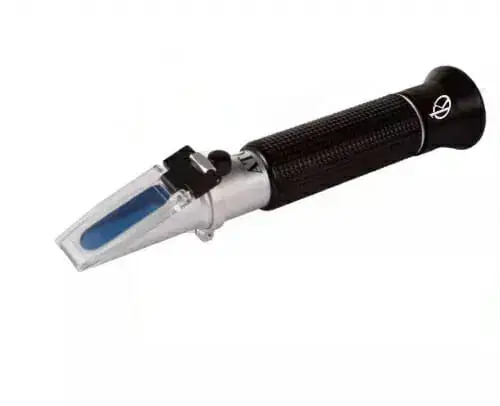
The Clinical Refractometer YR05915 is designed for both human and veterinary use. With a price point of just $9.50, it provides an excellent opportunity for laboratories to achieve a quick payback period of about three months. Its automatic temperature compensation (ATC) feature ensures accurate results, while its triple scale allows for versatile applications.
Digital BRIX Refractometer YR05966
This model is priced at $76.00 and is ideal for veterinary applications, particularly for analyzing the specific gravity of urine and serum protein levels. With a payback period of 12 months, it offers a solid return through its precise measurements and ease of use.
Digital BRIX Refractometer YR05967
Similar to the YR05966, the YR05967 is designed for veterinary use with comparable features and pricing. It provides accurate readings and is waterproof, enhancing its usability in various laboratory scenarios. The payback period mirrors that of the YR05966 at 12 months.
Digital BRIX Refractometer YR05968
The YR05968 also maintains the $76.00 price point and offers similar advantages as the previous models. Its versatility in measuring multiple parameters adds to its cost-effectiveness, ensuring laboratories can utilize it in various applications.
Common Mistakes and How to Avoid Them
Laboratory professionals often make several common mistakes when evaluating digital clinical refractometers, which can adversely affect ROI. Below are key mistakes and strategies to avoid them:
- Neglecting Total Cost of Ownership: Many focus solely on the purchase price and overlook ongoing operational costs. Conduct a thorough analysis of both CAPEX and OPEX to understand the total financial commitment.
- Ignoring Calibration and Maintenance Needs: Failing to consider maintenance needs can lead to unexpected downtimes. Establish a regular calibration and maintenance schedule to ensure continuous performance.
- Underestimating Training Requirements: Proper training is crucial for maximizing the refractometer's capabilities. Invest in comprehensive training sessions for laboratory staff to improve efficiency and accuracy.
- Not Analyzing Market Demand: Understanding the specific testing needs of your clientele can help in selecting the right model. Regularly assess market trends to ensure your equipment aligns with service demands.
Frequently Asked Questions
How does the ROI of the Clinical Refractometer YR05915 compare with others?
The Clinical Refractometer YR05915 offers a quick ROI due to its low price of $9.50 and low cost per test. Its automatic temperature compensation ensures accuracy, making it ideal for general clinical use.
Which digital clinical refractometer is best for veterinary applications?
The Digital BRIX Refractometer YR05966 is particularly well-suited for veterinary applications due to its features and accuracy. With a price of $76.00, it delivers reliable results for analyzing urine specific gravity and serum protein levels.
What are the maintenance costs associated with digital clinical refractometers?
Maintenance costs vary by model, but for example, the Digital BRIX Refractometer YR05966 has estimated operational expenses that can be minimized with regular calibration. Budgeting for annual maintenance can enhance the longevity and performance of the unit.
How quickly can I expect returns from my refractometer investment?
Returns vary by model, with some like the Clinical Refractometer YR05915 providing payback in as little as three months due to its low initial cost and efficiency. It's vital to assess operational metrics to project accurate returns.
What features should I prioritize in a digital clinical refractometer for cost savings?
Prioritize features such as automatic temperature compensation, ease of calibration, and quick test results. Models like YR05915 and YR05966 offer these capabilities, enhancing operational efficiency and minimizing costs.
How can I determine the best model for my laboratory's needs?
Analyze your laboratory's specific testing requirements, expected volume, and operational budget. Comparing models like YR05915 and YR05966 based on their capabilities and costs will help you choose the right option.
What are the key advantages of using digital clinical refractometers?
Digital clinical refractometers offer high precision, quick results, and ease of use. Models like YR05915 provide immediate readings with automatic adjustments, enhancing workflow in clinical settings.
How often should digital clinical refractometers be calibrated?
Calibration frequency can depend on usage, but generally, it is advisable to calibrate models like YR05966 at least quarterly to ensure accuracy and reliable measurements, especially in busy environments.
If you are looking for a fusion of innovation and quality, you have come to the right place. At Kalstein, we offer you the luxury of exploring our exclusive catalog of laboratory equipment. We manufacture every device to the highest standards of excellence. Our intuitive and seamless online purchasing channels are designed for your convenience, securing the most competitive prices. Hesitate no longer — we bring science to life, it is time to become part of our community.