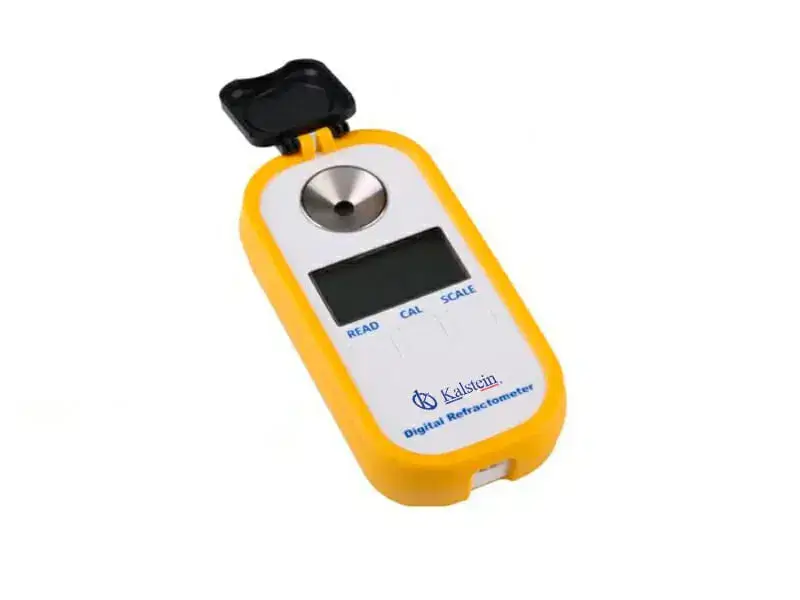
How Digital BRIX+ Salinity Refractometers Enhance Energy Sustainability in Laboratories
In an era where laboratories are increasingly pressured to reduce their environmental impact, the adoption of energy-efficient technologies has become paramount. Digital BRIX+ Salinity Refractometers are designed not only for precision in measuring sugar and salinity concentrations but also to support laboratories in their sustainability efforts. This article will explore how these refractometers can play a crucial role in achieving energy sustainability and reducing the environmental footprint of laboratory operations.
Overview of Digital BRIX+ Salinity Refractometers
Digital BRIX+ Salinity Refractometers are sophisticated devices that measure the concentration of soluble solids in aqueous solutions, typically in various food and beverage applications. Their design incorporates automatic temperature compensation (ATC), making them ideal for accurate readings across a range of temperatures (0-40°C). These refractometers are critical for applications involving juice, syrup, and other food products, allowing lab professionals to maintain high standards while being conscious of energy consumption and waste.
Comparison of Available Models
| Model Code | Measurement Range | Min Division | Precision | ATC | Best For |
|---|---|---|---|---|---|
| YR05961 | 0-50% Brix | 0.10% | ±0.2% | Yes | Sugar content in fruits |
| YR05962 | 0-280‰ Salinity | 0.10% | ±0.2% | Yes | Measuring salt in food products |
| YR05963 | 0-280‰ Salinity | 1‰ | ±2‰ | Yes | General salinity testing |
| YR05964 | 1.000-1.217 Density | 0.001 | ±0.002 | Yes | Density measurements in solutions |
| YR05965 | 1.3330-1.4200 nD Refractive Index | 0.0001 nD | ±0.0003 nD | Yes | Refractive index analysis |
Energy Efficiency in Laboratory Measurements
Energy efficiency is a crucial factor in laboratory settings. Digital BRIX+ Salinity Refractometers utilize advanced technology that minimizes energy consumption during operation. They are designed to perform accurate measurements quickly, thereby reducing the time required for each test. This efficiency translates into lower energy use per laboratory session, which is vital in maintaining a sustainable operational model.
Reducing Environmental Footprint Through Smart Calibration
One of the significant ways laboratories can achieve sustainability is through smart calibration practices. Digital BRIX+ Salinity Refractometers, such as the YR05961, offer automatic temperature compensation, allowing them to operate effectively without frequent manual adjustments. This feature not only saves time but also reduces the need for additional consumables and resources. By minimizing calibration errors and ensuring consistent results, labs can significantly reduce their environmental impact.
Lifecycle Assessment of Digital BRIX+ Salinity Refractometers
A lifecycle assessment (LCA) helps to evaluate the overall environmental impact of laboratory equipment. Digital BRIX+ Salinity Refractometers are built with sustainability in mind, ensuring that each model minimizes waste and energy use throughout its lifecycle. By selecting models like the YR05962, laboratories can contribute to lower energy consumption and waste production during both usage and disposal phases.
Real-Time Monitoring and Data Collection for Sustainability Goals
Modern Digital BRIX+ Salinity Refractometers are equipped with features that support real-time monitoring and data collection, which are essential for tracking energy usage and other sustainability metrics. By collecting data on the operational efficiency of each model, laboratories can identify areas for improvement and implement strategies to reduce their carbon footprint. This real-time feedback loop allows for adjustments that can lead to significant energy savings over time.
Common Mistakes and How to Avoid Them
In the pursuit of sustainability, laboratories often make mistakes that can hinder their progress. Common pitfalls include neglecting regular maintenance of equipment and failing to train staff on energy-efficient practices. To avoid these, labs should establish a routine maintenance schedule for all Digital BRIX+ Salinity Refractometers and ensure that all personnel are trained in operational best practices. This not only prolongs the lifespan of the equipment but also enhances overall energy efficiency.
Frequently Asked Questions
What are the energy consumption benefits of using a Digital BRIX Refractometer in labs?
The energy consumption benefits of using a Digital BRIX Refractometer, such as the YR05961, include efficient operation with automatic temperature compensation, which minimizes energy use during testing. This model is designed to provide quick and accurate measurements, reducing the time and energy spent on each test.
Which Digital BRIX+ Refractometer model is best for measuring salinity in food products?
The YR05962 model is optimal for measuring salinity in food products, offering a range of 0-280‰ with high precision. This capability is crucial for ensuring that food products meet quality standards while also supporting a sustainable testing process.
How does temperature compensation improve energy efficiency in BRIX measurements?
Temperature compensation, as seen in models like YR05961, allows for accurate readings without the need for constant manual adjustments. This feature not only streamlines the measurement process but also conserves energy by reducing the time each test takes.
What is the lifecycle impact of Digital BRIX+ Salinity Refractometers in sustainability efforts?
The lifecycle impact of Digital BRIX+ Salinity Refractometers, especially the YR05964, includes reduced material waste and lower energy consumption throughout their use. Assessing the lifecycle helps labs understand their overall environmental footprint and make informed decisions on equipment use.
How can labs track energy usage with Digital BRIX+ Refractometers?
Labs can track energy usage with Digital BRIX+ Refractometers by integrating them into a monitoring system that collects operational data. This data can provide insights into energy consumption patterns, enabling labs to make adjustments and improve sustainability practices.
What maintenance practices enhance the sustainability of Digital BRIX Refractometers?
Regular maintenance, including calibration and cleaning, is crucial for enhancing the sustainability of Digital BRIX Refractometers like the YR05965. Proper maintenance ensures optimal performance, minimizes energy waste, and extends the life of the equipment, contributing to overall sustainability goals.
Which applications benefit most from using Digital BRIX+ Salinity Refractometers?
Applications such as food and beverage testing significantly benefit from using Digital BRIX+ Salinity Refractometers due to their ability to provide rapid and accurate measurements. Models like YR05963 are suited for general salinity testing, enhancing quality control while reducing environmental impact.
How do Digital BRIX+ Salinity Refractometers fit into a lab's sustainability strategy?
Digital BRIX+ Salinity Refractometers align with a lab's sustainability strategy by offering energy-efficient operation, reducing waste, and providing accurate data for better decision-making. Incorporating models like YR05962 allows labs to achieve their sustainability goals effectively.
If you are looking for a fusion of innovation and quality, you have come to the right place. At Kalstein, we offer you the luxury of exploring our exclusive catalog of laboratory equipment. We manufacture every device to the highest standards of excellence. Our intuitive and seamless online purchasing channels are designed for your convenience, securing the most competitive prices. Hesitate no longer — we bring science to life, it is time to become part of our community.