Digital Clinical Refractometers: Common Mistakes and How to Avoid Them in Daily Operation 2026
Digital clinical refractometers are essential tools in various laboratory settings, providing quick and accurate measurements of fluid levels in both human and veterinary applications. Understanding the correct usage, best practices, and common pitfalls can significantly enhance the efficiency and accuracy of laboratory operations. In this article, we will cover everything you need to know about digital clinical refractometers and how to use them effectively in 2026.
What is it used for in 2026
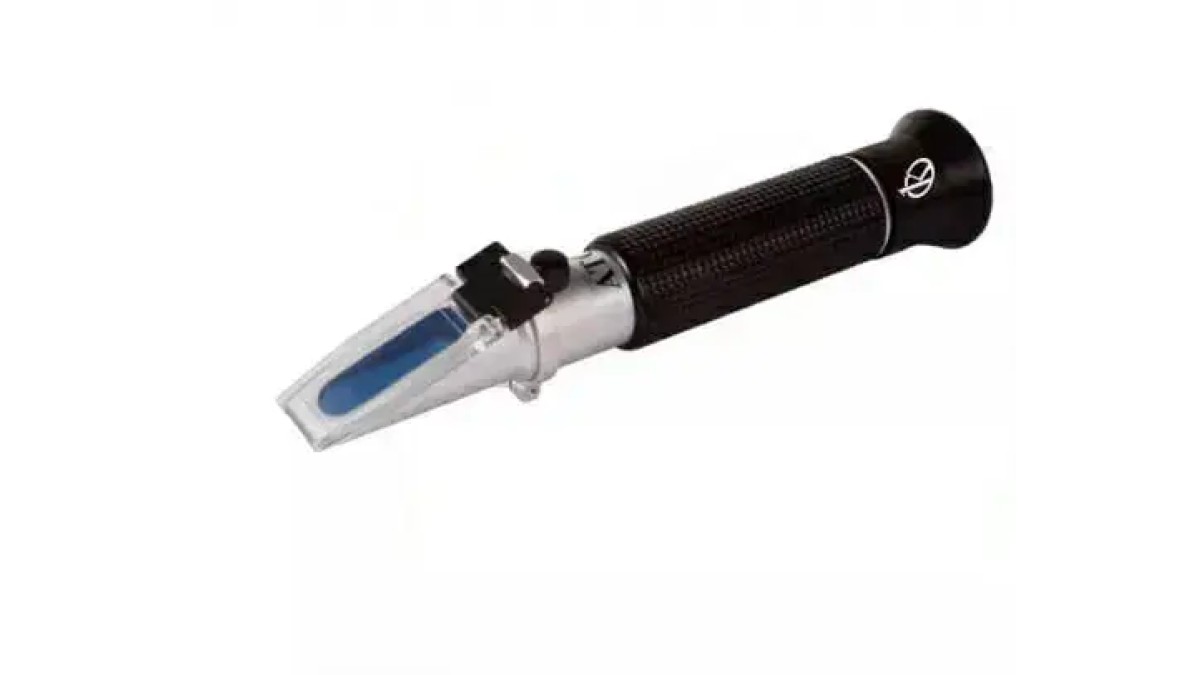
Digital clinical refractometers are widely used in laboratories for measuring specific gravity, total serum protein, and refractive index of biological fluids. Their applications span clinical diagnostics, veterinary practices, and food industries, making them versatile and valuable tools. These instruments offer precise and rapid measurements, which are crucial for timely decision-making in various medical and agricultural settings.
History and evolution of the technology
The evolution of refractometers dates back to their inception in the early 19th century, primarily as optical devices. Over the years, technology advancements have led to the development of digital clinical refractometers. These modern devices incorporate automatic temperature compensation (ATC), enhanced precision, and user-friendly interfaces, making them indispensable in laboratory settings today.
How to use it step by step
Using a digital clinical refractometer involves several straightforward steps: 1. **Preparation:** Ensure that the device is clean and calibrated. 2. **Sample Collection:** Collect the fluid sample to be measured. 3. **Calibration:** Perform a zero calibration using distilled water. 4. **Measurement:** Place a few drops of the sample on the prism and close the cover plate. 5. **Reading:** Wait for the measurement to stabilize and read the values displayed on the screen. 6. **Cleaning:** Clean the prism after use to avoid cross-contamination.
Best techniques and protocols
To achieve optimal results with digital clinical refractometers, the following techniques and protocols should be followed: - **Regular Calibration:** Calibrate the device regularly, especially before use each day. - **Proper Cleaning:** Use appropriate cleaning solutions and methods to maintain the integrity of the prism. - **Temperature Considerations:** Be aware of the temperature of the samples and the environment, as these can affect readings. Use ATC features when available.
Practical applications by laboratory type
In clinical laboratories, refractometers are used for blood and urine analysis to diagnose various health conditions. In veterinary laboratories, they help in assessing the hydration status of animals and determining protein levels in blood. Food industry laboratories utilize refractometers for sugar concentration measurement in products. Each setting may have unique requirements and challenges, thus understanding these applications is crucial for effective usage.
Regulations, standards and certifications
When using digital clinical refractometers, compliance with standards such as ISO and CLIA is essential for ensuring accuracy and reliability in laboratory results. Regular audits and equipment certifications can enhance trust in the measurements obtained.
Comparison with alternative technologies
Alternative technologies for measuring similar parameters include hydrometers and other optical devices. Digital refractometers offer greater precision and quicker results compared to traditional methods. While hydrometers are less expensive, they lack the versatility and ease of use found in digital refractometers.
Comparison of available models
| Model | Best for | Key specs | Recommended use case |
|---|---|---|---|
| YR05915 | Clinical and veterinary use | 0-12g/dl, 1.000-1.050sg, 1.3300RI-1.3600RI, ATC | Measuring specific gravity in urine and serum protein levels |
| YR05966 | Veterinary and human applications | 1.000-1.050, IP65 waterproof | Routine testing in veterinary clinics |
| YR05967 | Veterinary and human applications | 0-12.1 g/dl, IP65 waterproof | Assessing serum protein in laboratory settings |
| YR05968 | Veterinary and human applications | 1.3330--1.3900nD, IP65 waterproof | Measuring refractive index in various liquids |
Common mistakes and how to avoid them
Lab professionals often encounter pitfalls when using digital clinical refractometers. Common mistakes include: - **Incorrect Calibration:** Always ensure calibration is performed correctly and with distilled water. - **Neglecting Temperature Effects:** Temperature fluctuations can impact readings; use ATC features wisely. - **Inadequate Cleaning:** Failure to clean the prism can lead to cross-contamination and erroneous results. By being aware of these pitfalls and implementing preventive measures, laboratory accuracy can be significantly improved.
Maintenance, calibration and good practices 2026
Maintaining digital clinical refractometers requires regular cleaning and calibration. Follow these guidelines: - **Daily Maintenance:** Clean the prism after each use with distilled water and a lint-free cloth. - **Monthly Calibration:** Perform a calibration check at least once a month using distilled water and standard solutions. - **Proper Storage:** Store the refractometer in a protective case when not in use to prevent damage.
Cost-benefit analysis 2026
The initial investment in a digital clinical refractometer may be higher than traditional methods, but the long-term benefits include increased accuracy, quicker results, and reduced labor costs. Considering the improved workflow and decision-making capabilities, the cost-benefit ratio is favorable for laboratories aiming for efficiency.
Frequently asked questions
How do I choose the right digital refractometer for my lab?
Choosing the right refractometer depends on the specific applications you require. Consider factors such as the range of measurements, required accuracy, and whether you need features such as ATC or waterproofing.
What is the importance of automatic temperature compensation in refractometers?
Automatic temperature compensation corrects measurements for temperature variations, ensuring accurate readings regardless of the environmental conditions or sample temperature.
How can I ensure accurate readings with my refractometer?
To ensure accuracy, calibrate your refractometer regularly, use distilled water for calibration, and clean the prism after every use to prevent contamination.
Can digital clinical refractometers be used for both human and veterinary applications?
Yes, many digital clinical refractometers are designed for dual use, making them versatile tools suitable for both human and animal samples.
What are the common issues faced while using digital clinical refractometers?
Common issues include incorrect calibration, temperature effects on readings, and inadequate cleaning of the device. Being aware of these can help avoid potential mistakes.
If you are looking for a fusion of innovation and quality, you have come to the right place. At Kalstein, we offer you the luxury of exploring our exclusive catalog of laboratory equipment. We manufacture every device to the highest standards of excellence. Our intuitive and seamless online purchasing channels are designed for your convenience, securing the most competitive prices. Hesitate no longer — we bring science to life, it is time to become part of our community.