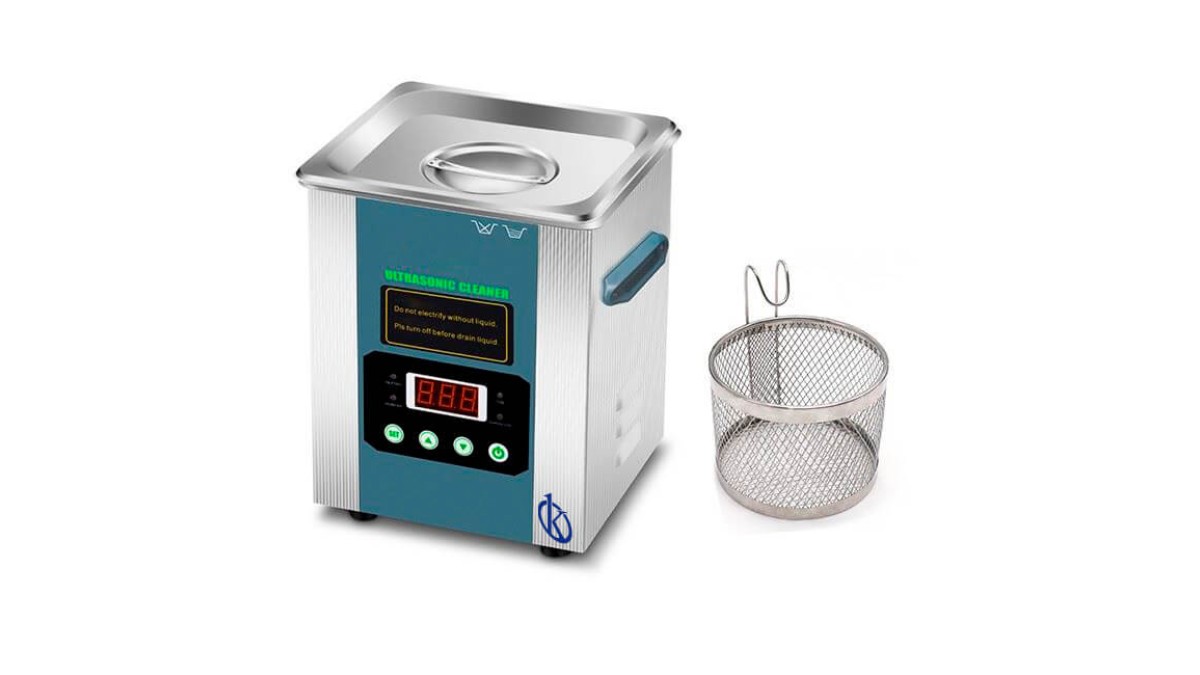
Digital Display Ultrasonic Cleaners: Practical Applications and Techniques 2026
What is it used for in 2026
Digital Display Ultrasonic Cleaners are versatile devices primarily used for cleaning a wide array of objects in laboratory and industrial settings. In 2026, their applications extend across various sectors, including jewelry, electronics, medical instruments, and optical components. These devices utilize ultrasonic waves to create high-frequency vibrations that can remove dirt, grease, and other contaminants from surfaces without damaging the items being cleaned.
History and evolution of the technology
The technology behind ultrasonic cleaning has evolved significantly since its inception in the mid-20th century. Initially adopted for industrial applications, it has now transcended into laboratories and homes, thanks to advancements in ultrasonic technology and digital control systems. The introduction of digital displays has enhanced usability, allowing for more precise control over cleaning cycles and conditions.
How to use it step by step
Using a Digital Display Ultrasonic Cleaner involves the following steps:
- Preparation: Remove any loose debris from the items to be cleaned.
- Fill the Tank: Add the appropriate cleaning solution to the tank, ensuring it covers the items sufficiently.
- Load Items: Place items in the basket without overcrowding to ensure even cleaning.
- Select Settings: Use the digital display to select the cleaning time and temperature based on the manufacturer's recommendations.
- Start the Cleaner: Press start and monitor the cleaning process through the display.
- Rinse and Dry: Once the cycle is complete, rinse the items with clean water and dry them appropriately.
Best techniques and protocols
To maximize the efficacy of ultrasonic cleaning, adhere to these protocols:
- Always use the recommended cleaning solutions for specific materials to avoid damage.
- Adjust the cleaning time based on the level of contamination.
- Regularly check and maintain the ultrasonic cleaner for optimal performance.
- Consider using a degassing step for the cleaning solution to improve cleaning efficiency.
Practical applications by laboratory type
Different laboratories utilize Digital Display Ultrasonic Cleaners for specific applications:
- Jewelry Labs: For cleaning intricate designs and removing tarnish without scratching surfaces.
- Medical Laboratories: For sterilizing instruments and ensuring they are free from biological contaminants.
- Electronics Labs: For cleaning delicate electronic components and PCBs without damaging them.
- Optical Labs: For removing dust and oils from lenses and other optical devices.
Regulations, standards and certifications
When using Digital Display Ultrasonic Cleaners in laboratories, it’s crucial to comply with relevant regulations and standards including:
- ISO 13485 for medical devices.
- CE marking for compliance with European health and safety requirements.
- RoHS compliance for electronics to ensure no hazardous materials.
Comparison with alternative technologies
Compared to alternative cleaning technologies like manual cleaning or steam cleaning, ultrasonic cleaners offer:
- Higher Efficiency: Ultrasonic cleaning is faster and more thorough.
- Non-Destructive: Unlike traditional methods, it does not scratch or damage sensitive items.
- Less Labor Intensive: Reduces the need for manual scrubbing and labor.
Comparison of available models
| Model | Best for | Key specs | Recommended use case |
|---|---|---|---|
| YR05208 | Jewelry | 2L capacity, 40KHz, 70W | Ideal for home users needing a portable cleaner. |
| YR05209 | General Cleaning | 2L capacity, 40KHz, 70W | Best for regular jewelry cleaning at home. |
| YR05212 | Industrial Applications | 4.5L capacity, 40KHz, 180W | Suitable for laboratories requiring consistent cleaning results. |
| YR05213 | General Use | 6.8L capacity, 40KHz, 180W | Good for labs needing a larger volume cleaner. |
| YR05214 | Heavy-Duty Cleaning | 11L capacity, 40KHz, 240W | Best for cleaning larger instruments and tools. |
| YR05215 | Professional Use | 15L capacity, 40KHz, 360W | Ideal for high-volume cleaning in professional labs. |
Common mistakes and how to avoid them
Laboratory professionals often make the following mistakes when using ultrasonic cleaners:
- Not using the correct cleaning solution, which can damage items.
- Overloading the tank, leading to ineffective cleaning.
- Neglecting maintenance, which can cause performance issues.
- Setting inappropriate cleaning times, resulting in either insufficient cleaning or damage.
Maintenance, calibration and good practices 2026
To ensure longevity and performance, follow these maintenance and calibration tips:
- Regularly check for wear and tear on the ultrasonic transducer.
- Clean the tank regularly to prevent contamination.
- Calibrate settings according to the manufacturer's guidelines.
- Inspect cables and connections for signs of damage.
Cost-benefit analysis 2026
Investing in Digital Display Ultrasonic Cleaners offers substantial benefits:
- Returns on Investment: Reduces labor costs associated with manual cleaning.
- Efficiency: Saves time by providing faster cleaning cycles.
- Quality Assurance: Ensures items are thoroughly cleaned, reducing the risk of contamination.
Frequently asked questions
How do I choose the right ultrasonic cleaner for my lab?
Consider the volume of items you need to clean, the types of materials, and the level of contamination to choose the appropriate model.
Can ultrasonic cleaners damage sensitive items?
While most ultrasonic cleaners are safe for delicate items, it's essential to use the correct settings and cleaning solutions. Always refer to the manufacturer’s guidelines.
What cleaning solutions should I use with my ultrasonic cleaner?
Use specialized ultrasonic cleaning solutions designed for your specific items. Avoid using abrasive or harsh chemicals that can cause damage.
How often should I change the cleaning solution?
Change the cleaning solution when it becomes visibly contaminated or after a specified number of uses, as recommended by the manufacturer.
What maintenance is necessary for ultrasonic cleaners?
Regularly clean the tank, check the transducer, and ensure the device is calibrated according to the manufacturer's instructions.
Is it safe to clean jewelry in ultrasonic cleaners?
Yes, but ensure that the jewelry is not made of materials that can be damaged by ultrasonic cleaning. Always check with the manufacturer if unsure.
Where can I request a quote for an ultrasonic cleaner?
You can request a quote directly from our services, ensuring you get the best pricing for your desired model.
If you are looking for a fusion of innovation and quality, you have come to the right place. At Kalstein, we offer you the luxury of exploring our exclusive catalog of laboratory equipment. We manufacture every device to the highest standards of excellence. Our intuitive and seamless online purchasing channels are designed for your convenience, securing the most competitive prices. Hesitate no longer — we bring science to life, it is time to become part of our community.