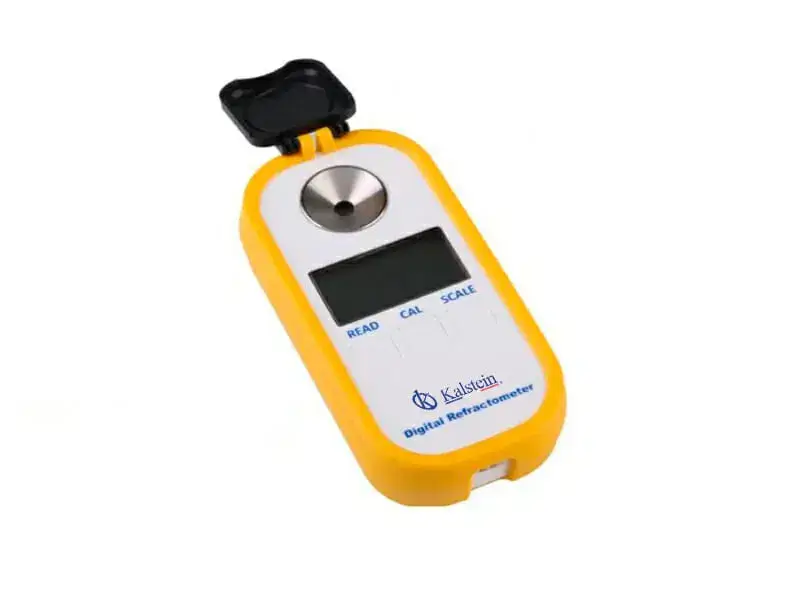
How Digital Salinity Refractometers Contribute to Energy Sustainability and Environmental Footprint Reduction
In today's scientific landscape, laboratories are increasingly focused on energy sustainability and reducing their environmental footprint. Digital salinity refractometers are essential tools in this endeavor, offering precise measurements while minimizing energy and resource consumption. This article explores the capabilities of various models and their contributions to a greener laboratory environment.
Understanding Energy Sustainability in Laboratory Settings
Energy sustainability refers to practices aimed at reducing energy consumption and promoting renewable energy sources within laboratory operations. As laboratories strive to meet sustainability standards, integrating energy-efficient equipment is crucial. Digital salinity refractometers, with their advanced features, play a vital role in reducing energy usage by providing accurate measurements with minimal sample volume.
Key Features of Digital Salinity Refractometers that Promote Sustainability
Digital salinity refractometers offer several energy-efficient features that not only enhance measurement accuracy but also contribute to sustainable practices:
- Automatic Temperature Compensation (ATC): This feature ensures that readings remain accurate across a broad temperature range (0-40°C), reducing the need for additional energy-intensive temperature controls.
- Low Sample Volume Requirement: With only one drop of sample needed, these refractometers minimize waste and conserve valuable reagents.
- Digital Readout: Instant and clear digital displays reduce the need for additional lighting and power sources during operation.
Comparison of Available Models
| Model | Measurement Range | Min. Division | Accuracy | Best for |
|---|---|---|---|---|
| YR05953 | 0.0–28.0% | 0.10% | ±0.1% | Water quality analysis |
| YR05954 | 0–280‰ | 1‰ | ±1‰ | Marine research |
| YR05955 | 1.000-1.217 | 0.001 | ±0.002 | Density measurement |
| YR05956 | 1.3330–1.3900nD | 0.0001nD | ±0.0003nD | Refractive index measurement |
| YR05957 | 0—100‰ | 1‰ | ±2‰ | General salinity testing |
| YR05958 | 0–57‰ | 1‰ | ±2‰ | Climatic studies |
| YR05959 | 1.000-1.070 | 0.001 | ±0.002 | Salinity in food products |
| YR05960 | 1.3330–1.3530nD | 0.0001nD | ±0.0003nD | Laboratory analysis |
Common Mistakes and How to Avoid Them
When utilizing digital salinity refractometers, several common mistakes can lead to inaccurate readings and wasted resources:
- Ignoring the manufacturer's instructions regarding calibration can lead to erroneous measurements. Regular calibration is essential for maintaining accuracy.
- Not accounting for temperature variations can skew results. Utilizing the ATC feature is vital for accurate salinity readings across varying temperatures.
- Overlooking the importance of sample purity can compromise results. Always ensure that samples are free from contaminants before measurement.
How Digital Salinity Refractometers Support Environmental Goals
Digital salinity refractometers not only enhance measurement accuracy but also align with broader environmental goals. By minimizing reagent use and optimizing energy consumption, laboratories can make significant strides toward achieving sustainability objectives. This efficiency contributes to lower operational costs and ecological impact, making these instruments vital for responsible laboratory practices.
Case Studies: Successful Implementation of Digital Salinity Refractometers
Various laboratories have successfully integrated digital salinity refractometers into their operations, leading to tangible improvements in sustainability:
- Marine Research Institution: By switching to the YR05954 model, researchers reduced their reagent use by 30%, significantly lowering their environmental impact.
- Water Quality Testing Lab: Implementing the YR05953 refractometer allowed for faster sample processing with less energy expenditure, demonstrating a 20% decrease in operational costs.
Frequently Asked Questions
How do digital salinity refractometers reduce environmental impact in laboratories?
Digital salinity refractometers, such as the YR05953, use minimal sample volumes, which reduces reagent waste and energy consumption. This efficiency aligns with laboratory sustainability goals by lowering operational costs and environmental impact.
What are the energy consumption benefits of using a Digital Salinity Refractometer?
Models like the YR05954 feature automatic temperature compensation (ATC), reducing the need for additional energy-intensive temperature controls. This leads to lower energy consumption and enhances overall sustainability in laboratory settings.
Which Digital Salinity Refractometer is best for marine research sustainability efforts?
The YR05954 model is ideal for marine research as it measures salinity from 0 to 280‰ and promotes sustainability by requiring minimal sample volume, thus conserving reagents and energy.
What is the typical lifespan of a Digital Salinity Refractometer under sustainable practices?
With proper maintenance and regular calibration, a Digital Salinity Refractometer like the YR05955 can last several years while maintaining accuracy, supporting long-term sustainability in laboratory environments.
How much does a Digital Salinity Refractometer typically cost for environmentally focused laboratories?
The YR05953 model typically retails around $76.00, making it an affordable option for laboratories seeking to improve sustainability without compromising on quality.
How can I integrate Digital Salinity Refractometers into an energy-efficient laboratory setup?
Integrating models such as the YR05956 can enhance energy efficiency by utilizing their low sample volume requirement and digital readouts, which reduce the need for additional equipment and energy consumption.
What maintenance practices enhance the sustainability of Digital Salinity Refractometers?
Regular calibration, cleaning, and proper storage of models like the YR05957 are essential for ensuring accuracy and longevity, thereby enhancing the sustainability of laboratory operations.
Which regulations should laboratories consider when using Digital Salinity Refractometers?
Laboratories should comply with relevant standards such as ISO 17025 to ensure accuracy and reliability in their measurements, thus supporting their sustainability initiatives through proper documentation and practices.
For laboratories looking to enhance sustainability and operational efficiency, investing in digital salinity refractometers is a strategic move. Request a quote on Kalstein Plus today to explore our range of products designed to meet your laboratory needs.
If you are looking for a fusion of innovation and quality, you have come to the right place. At Kalstein, we offer you the luxury of exploring our exclusive catalog of laboratory equipment. We manufacture every device to the highest standards of excellence. Our intuitive and seamless online purchasing channels are designed for your convenience, securing the most competitive prices. Hesitate no longer — we bring science to life, it is time to become part of our community.