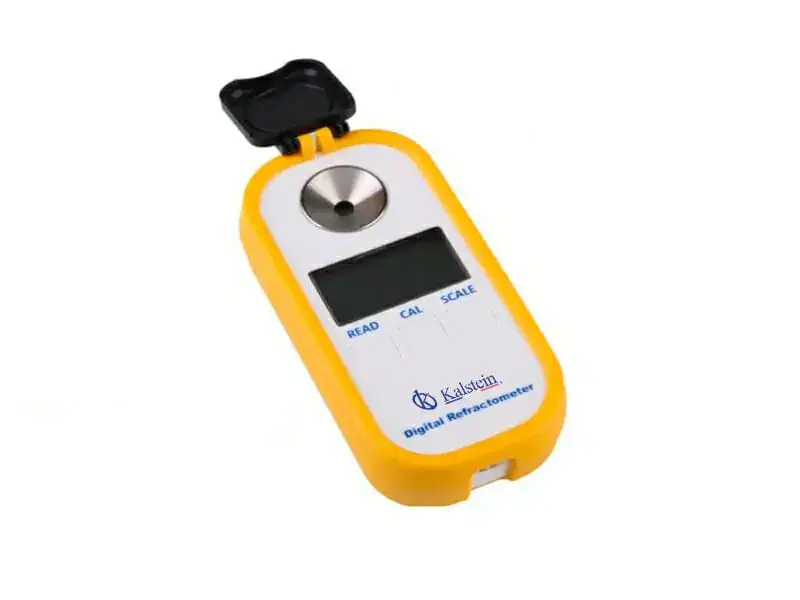
Digital Salinity Refractometers: Enhancing Energy Sustainability in Laboratory Practices
Energy sustainability has become a critical focus in laboratory operations, especially in the context of environmental conservation and reducing overall ecological footprints. Digital salinity refractometers, essential tools for measuring salinity in various solutions, are increasingly being recognized for their role in advancing energy-efficient practices in laboratories. This article delves into various models of digital salinity refractometers, highlighting their specifications, applications, and how they contribute to energy sustainability and reduced environmental impact.
Understanding Digital Salinity Refractometers
Digital salinity refractometers are precision instruments used to measure the concentration of salt in solutions, which is vital for various applications in scientific research, aquaculture, and food processing. These devices employ optical refraction principles to provide accurate salinity readings, and many models come equipped with Automatic Temperature Compensation (ATC), enabling precise measurements without manual adjustments for temperature variations.
The importance of these tools extends beyond routine salinity measurements; they play a pivotal role in optimizing laboratory processes and minimizing energy consumption. By reducing the need for extensive sample preparation or complex methodologies, these refractometers enhance workflow efficiency and conserve resources.
Comparison of Available Models
| Model | Salinity Range | Min. Division | Accuracy | Automatic Temperature Compensation | Price (USD) |
|---|---|---|---|---|---|
| YR05953 | 0.0–28.0% | 0.10% | ±0.1% | Yes | 76.00 |
| YR05954 | 0–280‰ | 1‰ | ±1‰ | Yes | 76.00 |
| YR05955 | 1.000–1.217 | 0.001 | ±0.002 | Yes | 76.00 |
| YR05956 | 1.3330–1.3900nD | 0.0001nD | ±0.0003nD | Yes | 76.00 |
| YR05957 | 0—100‰ | 1‰ | ±2‰ | Yes | 76.00 |
| YR05958 | 0–57‰ | 1‰ | ±2‰ | Yes | 76.00 |
| YR05959 | 1.000–1.070 | 0.001 | ±0.002 | Yes | 76.00 |
| YR05960 | 1.3330–1.3530nD | 0.0001nD | ±0.0003nD | Yes | 76.00 |
Energy Consumption and Laboratory Efficiency
Digital salinity refractometers can significantly contribute to a laboratory's energy efficiency by streamlining processes. By utilizing devices such as the YR05953 and YR05954, laboratories can achieve precise salinity readings with minimal sample volume and no need for extensive heating or cooling processes. This feature reduces energy consumption and laboratory waste.
A quantitative analysis of energy savings can be illustrated with a simple breakdown of energy consumption per sample measurement. For instance, if traditional methods require a calorimetry setup that consumes 1.5 kWh for every ten samples, while digital refractometers consume only 0.1 kWh, the energy savings become evident in a high-throughput setting. Over a month, this could result in significant cost savings and reduced carbon footprints.
Lifecycle Assessment of Digital Salinity Refractometers
Conducting a lifecycle assessment (LCA) for digital salinity refractometers involves evaluating the environmental impact from production to disposal. The energy used in manufacturing, transportation, operational energy consumption, and the final disposal of these devices all contribute to their total environmental footprint.
By choosing models with robust designs and low energy requirements, such as the YR05955, laboratories can minimize their carbon footprint. It's essential to consider not just the initial purchase price, but the total cost of ownership over the device's lifecycle, including maintenance and energy consumption. An LCA helps in making informed decisions when selecting equipment that aligns with sustainability goals.
Common Mistakes and How to Avoid Them
Many laboratories overlook the importance of calibration and maintenance protocols for digital salinity refractometers. Neglecting these can lead to inaccurate readings, which not only affects experimental outcomes but can also result in additional resource use as samples may need to be retested. To avoid this, establish a regular maintenance schedule based on the manufacturer's recommendations.
Another common mistake is underestimating the impact of energy-efficient practices. Choosing a refractometer that utilizes low energy during operation can lead to significant savings over time. For example, incorporating models like the YR05956 with ATC can reduce the need for corrections, saving both time and energy.
Frequently Asked Questions
What are the energy efficiency benefits of using digital salinity refractometers?
Digital salinity refractometers, such as the YR05953, offer energy efficiency by reducing sample preparation and eliminating the need for calorimetry setups. This results in lower energy consumption, often reaching up to 90% savings compared to traditional methods.
How does the YR05954 model contribute to sustainability in laboratories?
The YR05954 model, with its wide salinity range and automatic temperature compensation, minimizes energy usage during measurement processes, promoting sustainability in laboratory practices through efficient resource utilization.
What is the expected lifespan of a digital salinity refractometer?
The lifespan of models like the YR05955 can exceed 5 years with proper maintenance. Regular calibration and adherence to operating guidelines ensure optimal performance, further supporting sustainability efforts.
How can digital salinity refractometers reduce environmental impact?
By enabling precise measurements with minimal sample volume, devices like the YR05956 help reduce waste and energy consumption, significantly lowering a laboratory's environmental impact during experiments.
What calibration frequency is recommended for salinity refractometers to ensure accuracy?
It is recommended to calibrate models like the YR05957 at least once a month or after significant temperature changes to maintain accuracy and uphold energy-efficient practices in the lab.
What features should be prioritized for energy-efficient salinity measurements?
Features such as Automatic Temperature Compensation (ATC) and low energy consumption should be prioritized when selecting salinity refractometers, like the YR05958, for improved energy efficiency during measurements.
How does the YR05959 model compare to traditional salinity measuring methods?
The YR05959 offers a compact and energy-efficient alternative to traditional salinity measurement methods, typically consuming less energy and providing quicker readings, which enhances laboratory efficiency.
What specific applications benefit from using digital salinity refractometers?
Applications in aquaculture, food processing, and chemical manufacturing benefit significantly from digital salinity refractometers like the YR05960 by ensuring optimal salinity levels, thus enhancing product quality and sustainability.
If you are looking for a fusion of innovation and quality, you have come to the right place. At Kalstein, we offer you the luxury of exploring our exclusive catalog of laboratory equipment. We manufacture every device to the highest standards of excellence. Our intuitive and seamless online purchasing channels are designed for your convenience, securing the most competitive prices. Hesitate no longer — we bring science to life, it is time to become part of our community.