Digital Salinity Refractometers: Practical Applications and Techniques 2026
What is it used for in 2026
Digital salinity refractometers are essential tools utilized in laboratories for the accurate measurement of salinity levels in various solutions. In 2026, their applications extend across multiple fields, including aquaculture, environmental monitoring, and chemical industries. These devices allow laboratory professionals to quickly and efficiently assess the salinity of solutions, ensuring the quality and safety of products and processes.
History and evolution of the technology
The evolution of refractometry dates back to the 19th century with the invention of the refractometer by Ernst Abbe. Over the years, advancements in digital technology have led to the development of digital salinity refractometers that provide more accurate readings, easier usability, and automated temperature compensation. This evolution has transformed laboratory practices, enabling professionals to obtain reliable data rapidly.
How to use it step by step
Using a digital salinity refractometer typically involves the following steps:
- Prepare the sample: Ensure the sample is at a temperature within the operating range of the refractometer.
- Calibrate the device: Use distilled water to calibrate the refractometer before measurement.
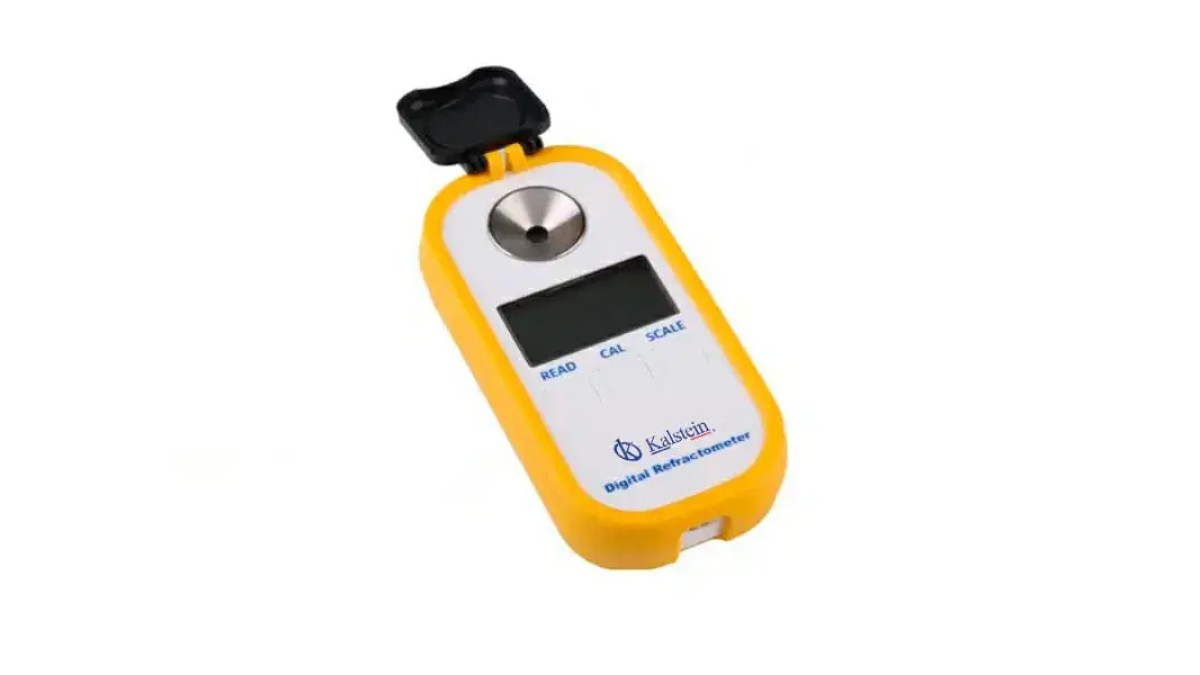
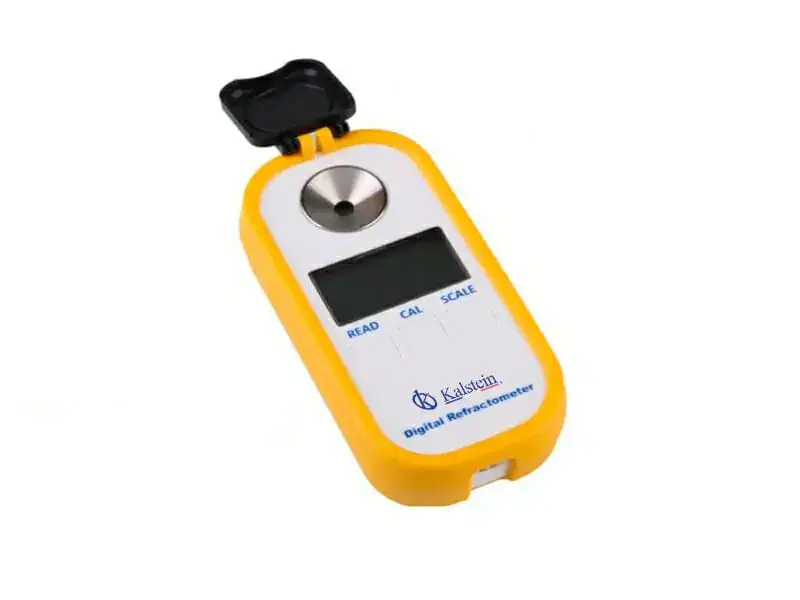
- Apply the sample: Place a drop of the solution on the prism of the refractometer.
- Close the cover: Ensure the cover is closed properly to avoid interference from ambient light.
- Read the measurement: Observe the digital display for the salinity reading.
- Clean the device: Wipe the prism with a soft cloth after use to maintain accuracy.
Best techniques and protocols
To achieve the best results when using digital salinity refractometers, adhere to the following techniques and protocols:
- Ensure consistent sample temperature to improve accuracy.
- Regularly calibrate the refractometer before each session.
- Use clean, fresh samples without contamination.
- Document all readings for traceability and validation.
Practical applications by laboratory type
Digital salinity refractometers are utilized in various laboratory settings, including:
- Aquaculture laboratories: Monitoring salinity levels in fish farming.
- Environmental labs: Analyzing seawater salinity for ecological studies.
- Food and beverage industry: Measuring salt content in products.
Regulations, standards and certifications
Laboratories using digital salinity refractometers must adhere to various regulations and standards, including ISO certifications related to quality management and measurement accuracy. Compliance ensures that the measurements are reproducible and reliable, adhering to international testing protocols.
Comparison with alternative technologies
While digital salinity refractometers are widely used, alternative technologies such as conductivity meters and titration methods are also available. However, digital refractometers often provide faster results and require less sample preparation compared to these methods.
Comparison of available models
| Model | Best for | Key specs | Recommended use case |
|---|---|---|---|
| YR05953 | Salinity measurement up to 28% | Range: 0.0-28.0%, Min. Div: 0.10%, Accuracy: ±0.1%, ATC: Yes | Ideal for aquaculture and simple salinity checks. |
| YR05954 | Salinity measurement up to 280‰ | Range: 0-280‰, Min. Div: 1‰, Accuracy: ±1‰, ATC: Yes | Useful in marine biology studies. |
| YR05955 | Density measurement | Range: 1.000-1.217, Min. Div: 0.001, Accuracy: ±0.002, ATC: Yes | For comprehensive laboratory analyses. |
| YR05956 | Refractive index measurement | Range: 1.3330-1.3900nD, Min. Div: 0.0001nD, Accuracy: ±0.0003nD, ATC: Yes | Suitable for chemical and biological research. |
| YR05957 | Salinity measurement up to 100‰ | Range: 0—100‰, Min. Div: 1‰, Accuracy: ±2‰, ATC: Yes | For environmental monitoring of estuaries. |
| YR05958 | Clinicity measurement | Range: 0-57‰, Min. Div: 1‰, Accuracy: ±2‰, ATC: Yes | In clinical laboratories for patient samples. |
| YR05959 | Density measurement | Range: 1.000-1.070, Min. Div: 0.001, Accuracy: ±0.002, ATC: Yes | General lab use with various liquids. |
| YR05960 | Refractive index measurement | Range: 1.3330-1.3530nD, Min. Div: 0.0001nD, Accuracy: ±0.0003nD, ATC: Yes | Advanced research applications. |
Common mistakes and how to avoid them
Common mistakes when using digital salinity refractometers include:
- Not calibrating the device regularly, which can lead to inaccurate readings.
- Using contaminated samples that might skew results.
- Neglecting to clean the prism properly, which affects measurement accuracy.
To avoid these mistakes, always follow calibration protocols, use clean and fresh samples, and maintain proper cleaning practices.
Maintenance, calibration and good practices 2026
To maintain a digital salinity refractometer effectively, consider these practices:
- Calibrate before each use, especially if the device has been stored for a while.
- Clean the prism with a soft cloth after every measurement to avoid residue buildup.
- Store the device in a protective case to prevent damage.
Cost-benefit analysis 2026
In 2026, the cost of digital salinity refractometers varies, but the investment is justified by the efficiency and accuracy they bring to laboratory processes. The ability to provide rapid results minimizes downtime and enhances productivity, making them a valuable addition to laboratory equipment.
Frequently asked questions
What factors should I consider when choosing a digital salinity refractometer?
Consider the measurement range, accuracy, ease of use, and whether it includes features like automatic temperature compensation when choosing a refractometer.
Can I use a digital salinity refractometer for different types of samples?
Yes, digital salinity refractometers can measure the salinity of various solutions, including seawater, brines, and other saline solutions, but ensure compatibility with your specific samples.
How often should I calibrate my refractometer?
Calibrate your refractometer before each use and whenever you notice discrepancies in readings to ensure accuracy.
What are some common maintenance practices for digital salinity refractometers?
Regularly clean the prism, calibrate before use, and store the device properly to maintain its accuracy and longevity.
Are digital salinity refractometers expensive to maintain?
Generally, digital salinity refractometers have low maintenance costs. Regular calibration and cleaning are the primary tasks, which do not require significant expenses.
Where can I find a reliable digital salinity refractometer?
Reliable digital salinity refractometers can be found at specialized laboratory equipment suppliers or manufacturers offering a range of models to suit different laboratory needs.
If you are looking for a fusion of innovation and quality, you have come to the right place. At Kalstein, we offer you the luxury of exploring our exclusive catalog of laboratory equipment. We manufacture every device to the highest standards of excellence. Our intuitive and seamless online purchasing channels are designed for your convenience, securing the most competitive prices. Hesitate no longer — we bring science to life, it is time to become part of our community.