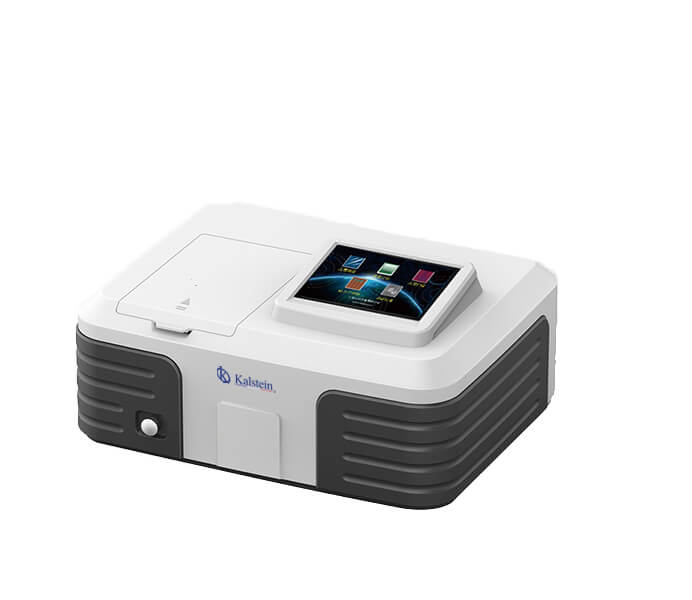
Double Beam Spectrophotometers: A Practical Step-by-Step Guide in 2026
In the world of analytical chemistry, double beam spectrophotometers play a crucial role in the quantitative analysis of substances. These sophisticated instruments utilize the principles of light absorption to provide insights into the composition and concentration of various materials. This guide aims to explore how to effectively use double beam spectrophotometers in 2026, focusing on applications, techniques, and best practices tailored for laboratory professionals.
What is it used for in 2026
Double beam spectrophotometers are primarily used for measuring the absorbance or transmittance of a sample. Their dual-beam setup allows for enhanced accuracy by measuring the sample's light absorption in comparison to a reference, accounting for any fluctuations in the light source or detector response. They are widely utilized in various fields such as pharmaceuticals, environmental monitoring, and food safety testing.
History and evolution of the technology
The evolution of spectrophotometer technology began in the early 20th century with the introduction of single beam devices. However, the limitations regarding accuracy and noise led to the development of double beam spectrophotometers in the 1960s. Over the decades, advancements in optical components, detectors, and software have significantly improved their functionality, making them indispensable in modern laboratories.
How to use it step by step
To effectively use a double beam spectrophotometer, follow these steps:
- Preparation: Ensure that the instrument is properly calibrated and that all necessary materials, such as cuvettes, are clean and appropriate for the samples.
- Setting Up: Power on the spectrophotometer and select the appropriate wavelength based on the target analyte.
- Blank Calibration: Measure a blank sample to calibrate the instrument. This is crucial for obtaining accurate readings.
- Sample Measurement: Place the sample cuvette in the designated holder and record the absorbance or transmittance.
- Data Analysis: Analyze the results using the software provided, generating calibration curves or statistical analyses as required.
- Cleanup: After measurements, clean the cuvettes and turn off the device to ensure longevity.
Best techniques and protocols
Employing best practices when using double beam spectrophotometers ensures accuracy and reliability. These include:
- Using high-quality cuvettes to minimize light scattering.
- Maintaining consistent sample temperatures during measurements.
- Calibrating the instrument regularly and before each set of measurements.
- Running replicates of samples to ensure reproducibility of results.
Practical applications by laboratory type
Double beam spectrophotometers have diverse applications across different laboratory types:
- Pharmaceutical Laboratories: Used for drug concentration measurements and quality control.
- Environmental Laboratories: Analyzing water samples for pollutants and toxins.
- Food Safety Laboratories: Testing food products for dyes, preservatives, and nutritional content.
- Clinical Laboratories: Engaged in biochemical assays for determining metabolic disorders.
Regulations, standards and certifications
Compliance with regulations such as ISO 17025 for testing and calibration laboratories is imperative. Double beam spectrophotometers should also meet FDA requirements for pharmaceutical testing to ensure that results are valid and applicable. Regular audits and certifications help maintain quality and trust in laboratory results.
Comparison with alternative technologies
While double beam spectrophotometers are widely used, alternative technologies include:
- Single Beam Spectrophotometers: Generally less expensive, but offer reduced accuracy due to their inability to compensate for fluctuations in light source.
- UV-Vis Spectrophotometers: Often used interchangeably with double beam spectrophotometers, they can be single or double beam but offer similar functionalities.
- Fluorometers: Used for specific applications where fluorescence measurement is necessary, though they do not provide absorbance data directly.
Comparison of available models
| Model | Best for | Key specs | Recommended use case |
|---|---|---|---|
| YR01858 | Multi-function analysis | 320-1100 nm, ±0.3% T accuracy | General laboratory analysis |
| YR01862 | High stability and accuracy | 190-1100 nm, ±0.1 nm accuracy | Advanced research applications |
| YR01862-1 | Wide spectral range | 190-1100 nm, 1.0 nm bandwidth | Pharmaceutical applications |
| YR01862-2 | Reliable performance | 190-1100 nm, 1.0 nm bandwidth | Environmental testing |
| YR01864 | Standard laboratory testing | 190-1100 nm, 1.8 nm bandwidth | General laboratory analysis |
| YR01865 | Advanced research | 190-1100 nm, 0.5 nm bandwidth | High-level scientific research |
Common mistakes and how to avoid them
Laboratory professionals can fall into several pitfalls when using double beam spectrophotometers:
- Not calibrating the instrument before use can lead to inaccurate results. Always perform calibration with a blank sample.
- Using dirty cuvettes can scatter light and distort measurements. Ensure cuvettes are cleaned thoroughly before each use.
- Ignoring proper temperature control may affect sample stability. Always monitor the temperature of samples during analysis.
Maintenance, calibration and good practices 2026
Regular maintenance of double beam spectrophotometers includes:
- Calibrating the device before each use to ensure accuracy.
- Cleaning the optical components and cuvettes after every measurement.
- Performing regular inspections of the light source and detector for any signs of wear or malfunction.
Cost-benefit analysis 2026
The initial investment in a double beam spectrophotometer can be substantial, ranging from $2,500 to $3,800 depending on the model. However, the precision and reliability of results often justify the costs, particularly in environments where high standards of accuracy are required. In the long run, the benefits of improved data quality can lead to significant cost savings in research and production.
Frequently asked questions
What is the difference between a single beam and double beam spectrophotometer?
A double beam spectrophotometer uses two light paths: one for the sample and one for the reference, allowing for compensation of light fluctuations, while a single beam spectrophotometer uses one light path and requires manual calibration.
How do I choose the right model for my laboratory?
Consider the specific needs of your laboratory, such as the types of samples analyzed, the required wavelength range, and the budget. Analyzing the specifications and performance of available models will help in making the right choice.
Can double beam spectrophotometers be used for DNA analysis?
Yes, double beam spectrophotometers are effective for analyzing DNA concentrations by measuring absorbance at specific wavelengths, typically 260 nm.
What maintenance is required for a spectrophotometer?
Routine maintenance includes regular calibration, cleaning optical components, and inspecting the light source and detector for performance. This helps ensure the longevity and accuracy of the instrument.
Are there any specific certifications needed for using a spectrophotometer?
Yes, laboratories often need to comply with standards such as ISO 17025, especially in regulated environments like pharmaceuticals. This ensures that results are reliable and valid.
How often should I perform a calibration?
Calibration should be performed before each use or whenever a new batch of samples is analyzed to maintain accuracy in measurements.
Can I perform kinetic analysis with a double beam spectrophotometer?
Yes, double beam spectrophotometers are equipped to perform kinetic analysis, allowing for the monitoring of reaction rates by measuring absorbance changes over time.
If you are looking for a fusion of innovation and quality, you have come to the right place. At Kalstein, we offer you the luxury of exploring our exclusive catalog of laboratory equipment. We manufacture every device to the highest standards of excellence. Our intuitive and seamless online purchasing channels are designed for your convenience, securing the most competitive prices. Hesitate no longer — we bring science to life, it is time to become part of our community.