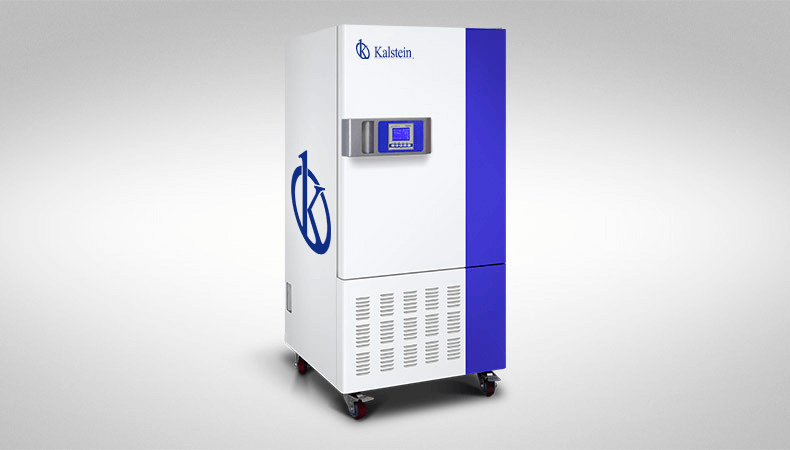
Drug Stability Test Chambers: A Practical Step-by-Step Guide for 2026
What is it used for in 2026
Drug stability test chambers play a critical role in the pharmaceutical industry, ensuring that medications retain their efficacy and safety throughout their shelf life. In 2026, these chambers are essential for conducting stability tests under controlled temperature and humidity conditions. They simulate real-life environments that drugs and other pharmaceutical products may encounter during storage and transportation.
History and evolution of the technology
The technology behind drug stability test chambers has evolved significantly since its inception. Initially, simple environmental chambers were used. Over time, advancements in temperature control, humidity regulation, and data monitoring technology have transformed these chambers into sophisticated machines equipped with precise controls and automated features. This evolution has allowed laboratories to conduct more reliable and efficient stability testing.
How to use it step by step
Using a drug stability test chamber requires meticulous planning and execution. Here is a step-by-step guide:
- Preparation: Gather all necessary materials, including drug samples, containers, and labels.
- Calibration: Ensure the chamber is calibrated according to standard protocols to maintain accurate temperature and humidity levels.
- Loading Samples: Place the drug samples inside the chamber, ensuring they are properly spaced for airflow.
- Setting Parameters: Configure the chamber’s settings for the desired temperature and humidity levels based on the testing requirements.
- Monitoring: Regularly check the chamber’s environment using its built-in monitoring system to ensure stability conditions are maintained.
- Data Collection: Collect and record data as per the test protocols throughout the testing period.
- Analysis: After the testing period, analyze the data and assess the stability of the drug samples.
Best techniques and protocols
Adopting best practices and established protocols is crucial for obtaining reliable results. Here are some recommended techniques:
- Regular Calibration: Regularly calibrate your chamber to ensure it maintains accurate conditions.
- Standard Operating Procedures (SOPs): Develop and adhere to SOPs for loading, monitoring, and recording data during testing.
- Environmental Validation: Validate the environmental conditions periodically to confirm that they meet specific regulatory standards.
- Data Logging: Use automated data logging systems to track environmental changes effectively.
Practical applications by laboratory type
Various laboratories utilize drug stability test chambers for different purposes:
- Pharmaceutical Laboratories: For testing the stability of medications and formulations under various conditions.
- Biotechnology Labs: To ensure that biologics maintain their integrity over time.
- Quality Control Departments: For the assessment of product quality and shelf-life evaluation.
- Research Institutions: For conducting stability studies as part of drug development and research.
Regulations, standards and certifications
Compliance with regulations is crucial when using drug stability test chambers. Key standards include:
- ICH Guidelines: The International Council for Harmonisation outlines stability testing requirements for pharmaceuticals.
- FDA Regulations: The United States Food and Drug Administration has specific requirements for drug testing and storage conditions.
- ISO Standards: Various ISO standards apply to laboratory equipment and environmental testing methodologies.
Comparison with alternative technologies
While drug stability test chambers are integral to stability testing, other technologies can also be considered, such as:
- Refrigerators and Freezers: Used for specific temperature-sensitive materials but lack humidity control.
- Environmental Simulation Chambers: Provide a broader range of environmental testing options, but may be more complex and costly.
Comparison of available models
| Model | Best for | Key specs | Recommended use case |
|---|---|---|---|
| YR05350 | Pharmaceutical testing | Temperature: 0~60°C, Humidity: 50~90% HR | Long-term stability testing of varied pharmaceuticals |
| YR05351 | Biotechnology research | Temperature: 0~60°C, Humidity: 50~90% HR | Stability testing of biologics and sensitive formulations |
| YR05352 | Quality control | Temperature: 0~60°C, Humidity: 50~90% HR | Ensuring product quality and shelf life evaluation |
Common mistakes and how to avoid them
Many laboratories make common mistakes that can compromise their testing results. Avoid these pitfalls:
- Improper Calibration: Ensure your chamber is calibrated regularly to maintain accuracy.
- Inadequate Documentation: Always document parameters and results meticulously to avoid discrepancies.
- Overloading the Chamber: Avoid placing too many samples inside, which can affect airflow and stability.
Maintenance, calibration and good practices 2026
Effective maintenance of your drug stability test chamber is essential for optimal performance:
- Routine Calibration: Schedule regular calibration intervals according to your lab's standard protocols.
- Cleaning: Keep the chamber clean and free from contaminants that could affect results.
- Regular Inspections: Conduct periodic checks on the equipment to identify and rectify potential issues early.
Cost-benefit analysis 2026
Investing in drug stability test chambers can yield significant returns. Consider the following factors:
- Initial Investment: While the upfront cost may seem high, the benefits of accurate stability testing outweigh the costs.
- Compliance: Meeting regulatory requirements can save your lab from costly fines.
- Quality Assurance: Ensuring the stability of your products enhances their marketability and consumer trust.
Frequently asked questions
What is the ideal temperature and humidity range for drug stability testing?
The ideal temperature and humidity range typically depends on the specific drug being tested. Generally, values around 25°C and 60% relative humidity are common, but it may vary based on regulatory guidelines.
How often should I calibrate my drug stability test chamber?
It is recommended to calibrate your chamber at least once a year, or more frequently if your lab conducts high-volume testing or if there are significant temperature fluctuations.
What types of samples can be tested in drug stability test chambers?
Drug stability test chambers are designed to test various pharmaceuticals, including solid dosage forms, liquids, and biologics. Always consult specific testing protocols for each type of sample.
Can I monitor conditions remotely at my chamber?
Yes, many modern drug stability test chambers come equipped with remote monitoring capabilities, allowing you to track temperature and humidity levels from another location.
What maintenance tasks should I perform regularly?
Regular maintenance tasks include calibration, cleaning the interior, checking seals and insulation, and inspecting mechanical components to ensure optimal performance.
When should I consider replacing my drug stability test chamber?
Consider replacing your chamber if it frequently fails to maintain temperature and humidity, shows signs of significant wear, or is outdated compared to modern models.
How can I ensure compliance with regulatory standards?
To ensure compliance, adhere to the guidelines set by regulatory bodies, conduct regular calibrations, maintain thorough documentation, and stay updated with changes in regulations.
If you are looking for a fusion of innovation and quality, you have come to the right place. At Kalstein, we offer you the luxury of exploring our exclusive catalog of laboratory equipment. We manufacture every device to the highest standards of excellence. Our intuitive and seamless online purchasing channels are designed for your convenience, securing the most competitive prices. Hesitate no longer — we bring science to life, it is time to become part of our community.