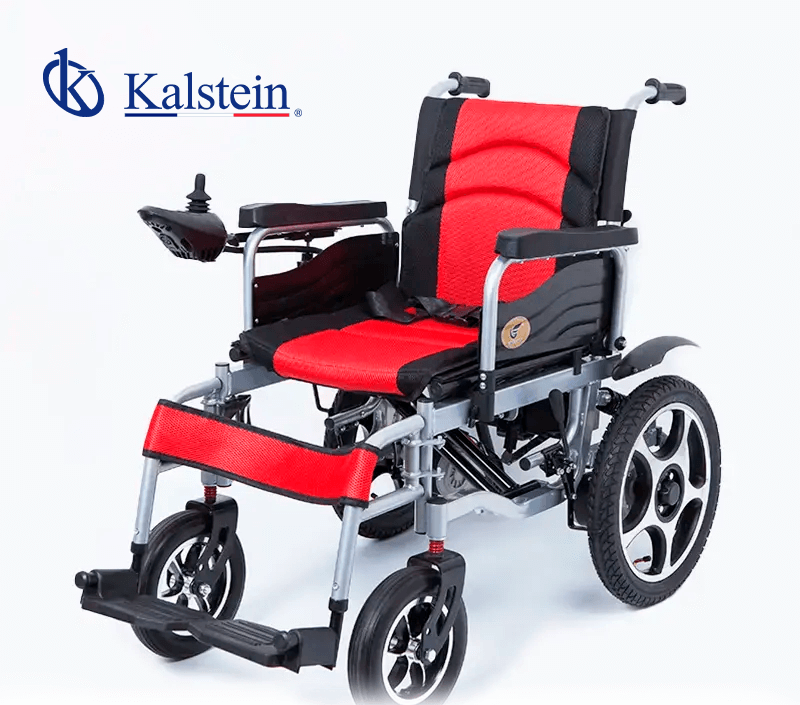
How Electric Wheelchairs Can Enhance Energy Sustainability and Reduce Environmental Footprint
In the modern healthcare environment, the push towards energy sustainability and minimal environmental impact is more crucial than ever. Electric wheelchairs, as an essential mobility aid, present an opportunity to rethink energy usage and environmental considerations in their design and deployment. This article explores various models of electric wheelchairs, assessing their contribution to energy sustainability and their overall environmental footprint.
Understanding Energy Sustainability in Electric Wheelchairs
Energy sustainability refers to the optimal use of energy resources to reduce consumption and environmental impact. Electric wheelchairs operate on batteries, typically lead-acid or lithium, which have differing implications for sustainability. By assessing models that prioritize energy efficiency, we can make informed choices that align with sustainability goals.
Benefits of Electric Wheelchairs in Reducing Environmental Impact
Electric wheelchairs not only provide mobility but also play a role in reducing the carbon footprint associated with physical disabilities. They eliminate the need for fuel-based alternatives, thereby reducing air pollution and dependency on fossil fuels. The energy efficiency of battery types, usage patterns, and design will significantly influence the overall environmental impact.
Electric Wheelchair Models: An Overview
Here, we review several models of electric wheelchairs, focusing on their specifications, which contribute to energy sustainability and a reduced environmental footprint.
Comparison of Available Models
| Model | Weight (kg) | Battery Type | Max Speed (km/h) | Weight Capacity (kg) | Range (km) | Price (USD) |
|---|---|---|---|---|---|---|
| YR05440 | 48.5 | Lead Acid 24V 12Ah | 6 | 130 | 15 | 317.00 |
| YR05441 | 55.5 | Lead Acid 24V 12Ah | 6 | 130 | 15 | 352.00 |
| YR05442 | 125 | Lithium 48V 20Ah | 20 | 200 | 35-75 | 793.00 |
| YR05443 | 38 | Lead Acid 24V 12Ah | 6 | 130 | 15 | 678.00 |
| YR05444 | 29 | Lithium 24V 12Ah | 6 | 100 | 15 | 1125.70 |
| YR05445 | 18 | Lithium 24V 6Ah | 8 | 100 | 12 | 610.00 |
Specific Energy Efficiency Features of Each Model
Each model presents unique features that facilitate energy efficiency. For instance, the YR05442 model is equipped with a powerful lithium battery, which allows for a higher range and faster speeds while consuming less energy per kilometer compared to lead-acid alternatives.
Common Mistakes and How to Avoid Them
Many users overlook the importance of battery maintenance and proper charging practices, which can significantly affect the energy efficiency and lifespan of electric wheelchairs. Choosing the right battery type and understanding its characteristics can prevent premature wear and enhance sustainability.
Frequently Asked Questions
How does the YR05442 electric wheelchair enhance energy sustainability?
The YR05442 model uses a lithium battery with a capacity of 48V 20Ah, allowing for longer range and reduced energy consumption. This contributes to sustainability by minimizing the need for frequent recharging, thereby conserving energy.
What is the environmental impact of different electric wheelchair battery types?
Lead-acid batteries, like those used in the YR05440 and YR05441 models, can have a higher environmental impact due to their shorter lifespan and recycling challenges compared to lithium batteries found in models like YR05442 and YR05444, which are more sustainable.
Which electric wheelchairs offer the best range for reduced energy consumption?
The YR05442 model offers an impressive range of 35-75 km, significantly reducing the need for frequent battery recharges and enhancing energy efficiency in electric wheelchair use.
How can battery maintenance improve the sustainability of electric wheelchairs?
Regular maintenance and adhering to charging protocols can extend the lifespan of batteries like the ones in YR05440 and YR05441, ultimately reducing environmental waste and enhancing overall energy efficiency.
What are the key features that make the YR05444 model energy-efficient?
The YR05444 model utilizes a lithium battery, which provides a higher capacity and efficiency, allowing for a maximum speed of 6 km/h while reducing energy consumption compared to traditional lead-acid batteries.
Why is the choice of electric wheelchair significant for healthcare settings?
Electric wheelchairs, such as those in the YR05440 series, contribute to energy sustainability in healthcare settings by reducing reliance on fuel-based mobility options and minimizing the carbon footprint associated with their use.
What considerations should be made for the environmental impact of electric wheelchairs?
When choosing electric wheelchairs, factors such as battery type, operational range, and energy efficiency ratings should be considered. Models like YR05442 offer advanced features that minimize environmental impact while ensuring user mobility.
How does electric wheelchair design contribute to energy efficiency?
Design features like lightweight frames and optimized battery placement in models such as YR05443 reduce energy consumption, allowing users to maximize mobility while minimizing energy waste.
Conclusion and Call to Action
If you are looking for a fusion of innovation and quality, you have come to the right place. At Kalstein, we offer you the luxury of exploring our exclusive catalog of laboratory equipment. We manufacture every device to the highest standards of excellence. Our intuitive and seamless online purchasing channels are designed for your convenience, securing the most competitive prices. Hesitate no longer — we bring science to life, it is time to become part of our community.