Electrolyte Analyzers: Best Techniques and Current Protocols 2026
Electrolyte analyzers are essential tools in modern laboratories, providing crucial data for diagnosing various health conditions. As we step into 2026, understanding their applications, evolution, and best practices is vital for laboratory professionals. This guide delivers a comprehensive overview of how to effectively use electrolyte analyzers, emphasizing their practical applications, techniques, and protocols.
What is it used for in 2026
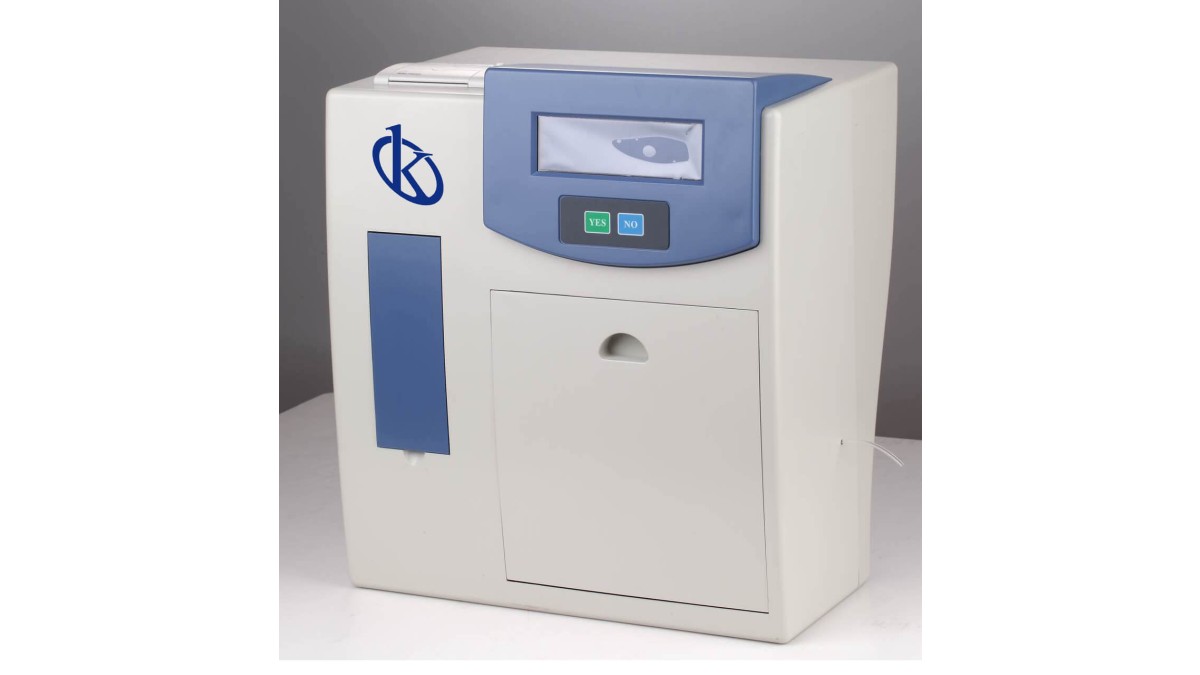
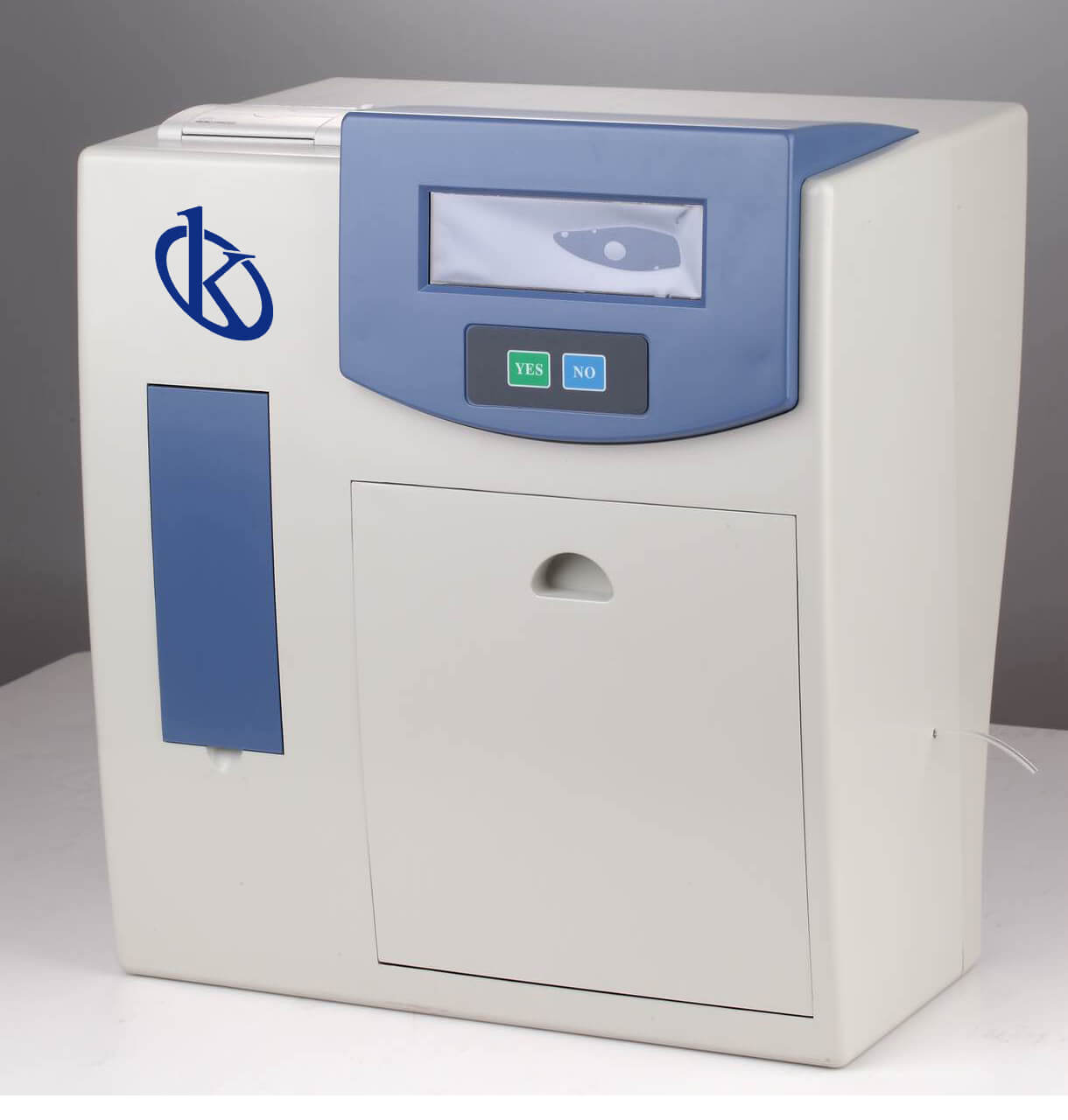
In 2026, electrolyte analyzers play a critical role in clinical diagnostics by measuring key electrolytes in blood and urine samples. These analyzers provide rapid and accurate results for essential ions such as sodium (Na), potassium (K), calcium (Ca), and chloride (Cl), which are crucial for assessing a patient's electrolyte balance and overall health. Electrolyte disturbances can indicate a range of medical conditions, including kidney disease, heart failure, and acid-base disorders, making these devices vital for patient care.
History and evolution of the technology
The technology behind electrolyte analyzers has evolved significantly over the decades. Early methods relied on manual titrations and labor-intensive processes, which were not only time-consuming but also prone to human error. The introduction of ion-selective electrodes (ISE) in the late 20th century revolutionized electrolyte measurement, allowing for more accurate and rapid assessments. Advances in microprocessor technology and automated systems have since enhanced the precision, efficiency, and user-friendliness of electrolyte analyzers, making them indispensable in today’s laboratories.
How to use it step by step
Using an electrolyte analyzer involves several key steps to ensure accurate results:
- Sample Collection: Collect the sample (blood, urine) using appropriate techniques to avoid contamination.
- Preparation: Prepare the sample according to the analyzer's requirements, which may involve dilution or specific handling protocols.
- Calibration: Calibrate the analyzer as per the manufacturer's guidelines to ensure accuracy.
- Testing: Load the prepared sample into the analyzer, following all safety and operational protocols.
- Analysis: Allow the analyzer to perform the analysis while monitoring for any alerts or notifications.
- Results Interpretation: Once the analysis is complete, review the results for clinical relevance and consult with a healthcare professional if necessary.
- Documentation: Record the results in the laboratory information system (LIS) for future reference.
Best techniques and protocols
To maximize the efficiency and reliability of electrolyte analyzers in 2026, consider the following techniques and protocols:
- Regular Calibration: Establish a routine calibration schedule to maintain accuracy over time.
- Quality Control: Implement robust quality control measures, including the use of control samples to validate results.
- Proper Sample Handling: Ensure samples are handled and stored correctly to prevent degradation and contamination.
- Training: Provide ongoing training for laboratory personnel on the latest techniques and best practices.
- Data Management: Utilize advanced data management software to streamline results tracking and reporting.
Practical applications by laboratory type
Electrolyte analyzers find applications across various laboratory settings:
- Clinical Laboratories: Used for routine electrolyte testing in patients to monitor health and diagnose conditions.
- Research Laboratories: Employed in studies related to physiology, sports science, and nutrition.
- Veterinary Laboratories: Applied in veterinary medicine for diagnosing electrolyte imbalances in animals.
Regulations, standards and certifications
In 2026, electrolyte analyzers must comply with several regulations and standards to ensure quality and safety. The ISO 13485 certification for medical devices is crucial, as it demonstrates adherence to quality management systems. Additionally, laboratories must follow local regulations related to laboratory practices, such as the Clinical Laboratory Improvement Amendments (CLIA) in the United States, ensuring that all testing meets required standards.
Comparison with alternative technologies
While electrolyte analyzers are predominant in measuring electrolyte levels, alternative technologies exist. These include:
- Colorimetric Analysis: A method that uses color changes to indicate electrolyte levels but may lack precision compared to ISE.
- Flame Photometry: Used primarily for sodium and potassium measurements, but is less versatile and can be affected by sample matrix.
- Conductivity Meters: Effective for total ionic concentrations but do not differentiate between specific electrolytes.
Comparison of available models
| Model | Best for | Key specs | Recommended use case |
|---|---|---|---|
| YR05169 | Stable operation and real-time diagnostics | Weight: 8 kg, Dimensions: 38 x 27 x 40 cm, Price: $6797.50 | Ideal for continuous monitoring in a clinical setting. |
| YR06391 | Affordable and user-friendly analysis | Price: $1250.00 | Best for small clinics requiring basic electrolyte testing. |
| YR06392 | Enhanced measurement capabilities | Price: $1450.00 | Suitable for laboratories needing flexibility in testing. |
| YR06393 | Comprehensive testing | Price: $1650.00 | Perfect for medium-sized laboratories with diverse testing needs. |
| YR06394 | Advanced functionality | Price: $1850.00 | Great for laboratories focusing on research and specialized testing. |
| YR06395 | Latest technology for precise results | Price: $2050.00 | Best for high-throughput laboratories needing fast and accurate results. |
Common mistakes and how to avoid them
Laboratory professionals may encounter several common mistakes when using electrolyte analyzers:
- Skipping Calibration: Always ensure calibration is performed regularly; neglect can lead to inaccurate results.
- Sample Contamination: Use proper techniques for sample collection and handling to avoid contamination.
- Ignoring Maintenance: Regular maintenance is crucial. Follow the manufacturer's guidelines for upkeep.
- Misinterpretation of Results: Ensure results are discussed with healthcare professionals for accurate clinical interpretation.
Maintenance, calibration and good practices 2026
Maintaining electrolyte analyzers in 2026 requires a systematic approach:
- Regular Calibration: Calibrate at the recommended frequency using certified standards.
- Daily Maintenance: Clean and check electrodes daily to ensure optimal performance.
- Documentation: Keep meticulous records of all maintenance and calibration activities.
- Training: Train staff regularly on best practices and updates in technology.
Cost-benefit analysis 2026
When evaluating the cost-effectiveness of electrolyte analyzers in 2026, consider the following factors:
- Initial Investment: Weigh the purchase price against the expected longevity and service reliability of the analyzer.
- Operational Costs: Account for consumables and maintenance expenses against potential savings in time and labor.
- Accuracy and Speed: Assess how increased accuracy and rapid results can improve patient outcomes and streamline laboratory operations.
Frequently asked questions
What factors should I consider when choosing an electrolyte analyzer?
When selecting an electrolyte analyzer, consider factors such as the range of electrolytes measured, speed of analysis, user interface, and maintenance requirements. Additionally, evaluate the cost of consumables and the model's calibration features.
How can I ensure accurate results with an electrolyte analyzer?
To guarantee accurate results, regularly calibrate the device, use high-quality reagents, and ensure proper sample collection and handling. Implementing quality control measures is also essential.
What types of samples can be tested with electrolyte analyzers?
Electrolyte analyzers can test various samples, including serum, plasma, whole blood, and diluted urine, providing flexibility across different clinical applications.
How often should I calibrate my electrolyte analyzer?
Calibration frequency depends on the manufacturer's recommendations, but it is typically advised to calibrate daily or before each batch of testing for optimal accuracy.
What are common troubleshooting steps if the analyzer shows errors?
If errors occur, check for issues such as low reagent levels, electrode contamination, or improper sample handling. Reviewing the user manual for troubleshooting guidelines can also be helpful.
How can I extend the lifespan of my electrolyte analyzer?
To extend the lifespan of your analyzer, adhere to maintenance protocols, perform regular calibrations, ensure cleanliness, and avoid exposing the device to extreme conditions.
If you are looking for a fusion of innovation and quality, you have come to the right place. At Kalstein, we offer you the luxury of exploring our exclusive catalog of laboratory equipment. We manufacture every device to the highest standards of excellence. Our intuitive and seamless online purchasing channels are designed for your convenience, securing the most competitive prices. Hesitate no longer — we bring science to life, it is time to become part of our community.