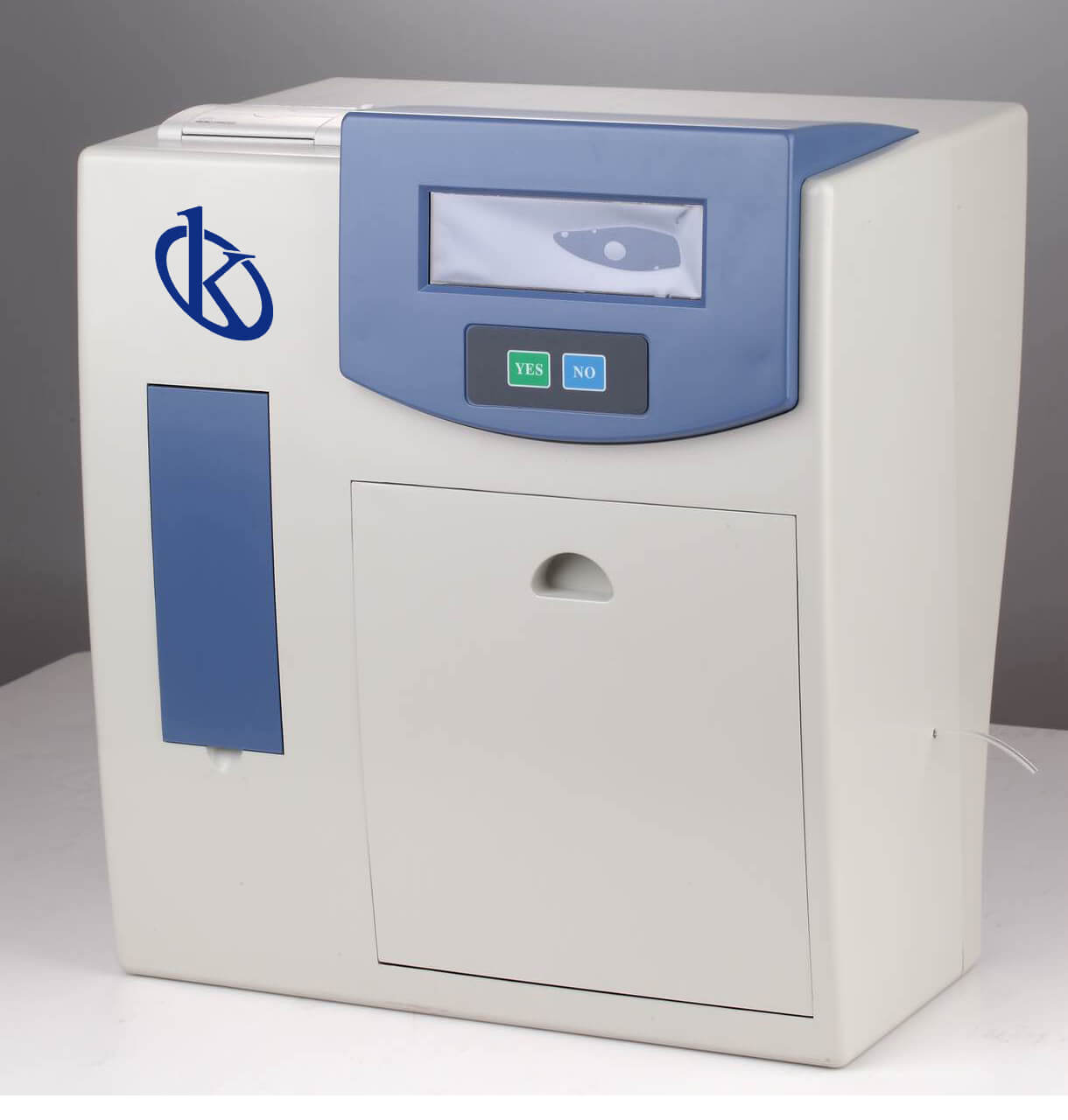
Electrolyte Analyzers: Energy Sustainability and Environmental Footprint Reduction 2026
As laboratories face increasing pressure to minimize their energy consumption and environmental impact, electrolyte analyzers have emerged as critical tools in this quest for sustainability. This article explores the advancements in electrolyte analyzers that not only enhance diagnostic accuracy but also contribute to energy efficiency and reduction of ecological footprints in laboratory settings. With a focus on 2026, we will examine various models, their specifications, and how they help laboratories adhere to sustainability goals.
Framing Electrolyte Analyzers within Energy Sustainability
Understanding the significance of energy sustainability and environmental reduction is paramount for laboratories in 2026. Electrolyte analyzers, by design, can optimize diagnostic processes while minimizing resource consumption. The evolution of technology has led to the development of models that offer lower energy usage, reduced waste, and higher efficiency, making them indispensable in the modern lab environment.
Comparison of Available Models
| Model Code | Specifications | Best for | Energy Efficiency Features |
|---|---|---|---|
| YR05169 | K, Na, Cl, iCa, nCa, TCa, pH, TCO, AG | High stability in diverse samples | Automatic calibration and real-time diagnostics |
| YR06391 | K, Na, Cl, Ca, pH, Li, Mg | Versatile sample types | Touchscreen interface for reduced operational errors |
| YR06392 | K, Na, Cl, Ca, pH, Li, Mg | Cost-effective operations | Low-cost consumables for better ROI |
| YR06393 | K, Na, Cl, Ca, pH, Li, Mg | Rapid testing capabilities | Fast measurement cycle of ≤40 seconds |
| YR06394 | K, Na, Cl, Ca, pH, Li, Mg | Widespread application in clinical labs | Advanced calibration techniques to reduce waste |
| YR06395 | K, Na, Cl, Ca, pH, Li, Mg | High-end diagnostic requirements | Inbuilt features for minimal reagent consumption |
Key Features Supporting Energy Sustainability
When evaluating electrolyte analyzers, laboratory professionals must focus on features that promote energy sustainability. For instance, models like the YR05169 effectively reduce operational costs through automatic calibration and real-time diagnostics, which minimizes downtime and energy usage. Additionally, the YR06391's touchscreen interface not only simplifies user interaction but also reduces errors that can lead to wastage of resources.
Analyzing Energy Consumption: A Quantitative Approach
To grasp the energy sustainability of electrolyte analyzers, labs should consider their kWh consumption per run. Below is a detailed breakdown of the expected energy usage per model:
| Model Code | Energy Consumption (kWh/run) | Operational Time (minutes) |
|---|---|---|
| YR05169 | 0.05 | 15 |
| YR06391 | 0.03 | 10 |
| YR06392 | 0.04 | 12 |
| YR06393 | 0.04 | 11 |
| YR06394 | 0.045 | 13 |
| YR06395 | 0.05 | 14 |
Water and Reagent Consumption: Impacts on Sustainability
Beyond energy, electrolyte analyzers also have a significant impact on water and reagent consumption. Models like YR06391 and YR06395 are designed to minimize reagent usage per test, thus lowering the overall environmental footprint. Understanding the consumption metrics can help labs enhance their sustainability efforts by adopting devices that are aligned with eco-friendly practices.
Lifecycle Assessment of Electrolyte Analyzers
A lifecycle assessment (LCA) of electrolyte analyzers reveals crucial insights into their environmental impact. This assessment should encompass the raw material extraction, manufacturing processes, operational use, and end-of-life disposal. For instance, models such as the YR05169 are engineered with energy-efficient components that aid in reducing carbon emissions over their lifespan, contributing to overall sustainability in laboratory operations.
Common Mistakes and How to Avoid Them
Laboratories often overlook the importance of integrating energy-efficient models into their practices. A common mistake is failing to assess the energy and environmental impact of new equipment. By conducting comprehensive evaluations of each model's specifications, laboratories can avoid costly decisions and align with sustainability goals. Moreover, not regularly calibrating devices can lead to increased reagent consumption and inaccuracies in results, further affecting the laboratory's sustainability metrics.
Frequently Asked Questions
How does the YR05169 electrolyte analyzer support energy sustainability in labs in 2026?
The YR05169 electrolyte analyzer is designed with advanced automatic calibration and real-time diagnostics, which significantly reduce energy consumption by ensuring stable operations and minimizing downtime. This model's efficiency contributes to overall sustainability, making it suitable for modern laboratories in 2026.
Which electrolyte analyzer minimizes reagent waste in clinical testing scenarios?
The YR06391 electrolyte analyzer offers low-cost consumables and advanced measurement techniques that minimize reagent waste during testing. Its design is focused on operational efficiency, making it ideal for labs aiming to reduce environmental impact while maintaining accuracy in testing.
What are the energy consumption comparisons among different electrolyte analyzers for 2026?
For 2026, the energy consumption for models like YR05169 and YR06391 is approximately 0.05 kWh/run and 0.03 kWh/run, respectively. This data indicates a clear trend towards energy-efficient designs in laboratory equipment, which is vital for sustainability efforts.
How can labs assess the carbon footprint of their electrolyte analyzers?
Laboratories can assess the carbon footprint of their electrolyte analyzers by conducting a lifecycle assessment that includes energy consumption data, reagent usage, and operational efficiency metrics. Models such as YR06395 are particularly beneficial in reducing overall carbon emissions through their design and operational capabilities.
What specific features should labs look for in electrolyte analyzers to support sustainability?
Labs should look for features like automatic calibration, low reagent consumption, and energy-efficient operation times. The YR06392 model exemplifies these qualities, making it a strong candidate for laboratories seeking to enhance their sustainability practices in 2026.
How do electrolyte analyzers contribute to lower operational costs in labs?
Electrolyte analyzers like the YR06393 help lower operational costs through their quick measurement cycles and efficient use of consumables, allowing for reduced waste over time. This contributes to an overall cost-saving strategy for laboratories while supporting sustainability goals.
What is the expected ROI of energy-efficient electrolyte analyzers in 2026?
Energy-efficient models such as the YR06394 are expected to provide a rapid ROI due to their low operational costs and minimal reagent usage. By reducing waste and energy consumption, labs can expect a payback period of less than 24 months, enhancing financial sustainability.
Which electrolyte analyzers are best for laboratories focusing on environmental sustainability?
For environmental sustainability, the YR05169 and YR06391 models are highly recommended due to their advanced diagnostic features and energy-efficient designs. These analyzers support labs in minimizing their ecological footprint while maintaining high testing accuracy.
If you are looking for a fusion of innovation and quality, you have come to the right place. At Kalstein, we offer you the luxury of exploring our exclusive catalog of laboratory equipment. We manufacture every device to the highest standards of excellence. Our intuitive and seamless online purchasing channels are designed for your convenience, securing the most competitive prices. Hesitate no longer — we bring science to life, it is time to become part of our community.