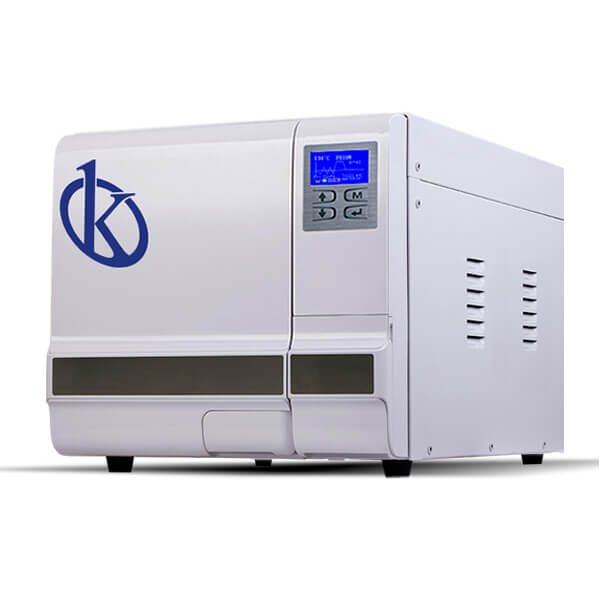
How to Achieve Energy Efficiency and Reduce Environmental Footprint with Horizontal Autoclaves
The quest for sustainability in laboratory practices is more crucial than ever. Horizontal autoclaves, essential for sterilization processes, can significantly contribute to energy efficiency and a reduced environmental footprint. This piece delves into how various models of horizontal autoclaves can be leveraged to meet sustainability goals while maintaining effective sterilization.
Understanding the Role of Horizontal Autoclaves in Sustainability
Horizontal autoclaves are widely used in laboratories, healthcare facilities, and various businesses that require sterilization. Their ability to employ steam under pressure makes them a more energy-efficient choice compared to other sterilization methods. Additionally, advancements in technology have improved their performance, allowing for reduced energy consumption, which is vital for minimizing environmental impact.
Energy Consumption Metrics and Standards
To adequately assess the energy efficiency of horizontal autoclaves, it’s essential to consider metrics such as kilowatt-hours (kWh) per sterilization cycle, water, and reagent consumption. Models like the Class B Table Autoclave YR03385C achieve effective sterilization while ensuring low energy usage, adhering to standards that dictate optimal performance.
Comparison of Available Models
| Model | Chamber Size (Liters) | Power (Watts) | Price (USD) | Best For |
|---|---|---|---|---|
| YR03387 | 8 | 1750 | 750.00 | Small businesses |
| YR03388 | 12 | 1750 | 835.00 | Beauty salons |
| YR03389 | 18 | 1750 | 900.00 | Veterinarians |
| YR03390 | 23 | 1750 | 1000.00 | Laboratories |
| YR03385C | 29 | 2300 | 2350.00 | Medium businesses |
| YR03385B | 45 | 3800 | 2800.00 | Large facilities |
Strategies to Reduce Energy Waste in Autoclaving
There are several strategies to optimize energy use in horizontal autoclaves. One key approach involves using pre-programmed sterilization cycles, which allow for precise control of temperature and pressure, minimizing unnecessary energy usage. Additionally, regular maintenance and calibration ensure that the units run efficiently, preventing energy waste.
Water and Reagent Conservation Techniques
In addition to energy savings, horizontal autoclaves can significantly reduce water usage. Implementing systems that recycle water used during the sterilization process can help cut down on overall consumption. Furthermore, selecting models like the Class B Table Autoclave YR03390, which are designed to work with reduced volumes of water and reagents, enhances sustainability.
Lifecycle Assessment of Autoclaves
A lifecycle assessment evaluates the overall environmental impact of autoclaves from production to disposal. Models that are built with recyclable materials and that are energy efficient throughout their lifespan, such as the Class B Table Autoclave YR03385C, are favorable in terms of sustainability. Investing in these models can yield long-term benefits for both the environment and operational efficiency.
Common Mistakes and How to Avoid Them
Laboratories often overlook the importance of selecting energy-efficient models and fail to conduct regular maintenance checks. Another mistake is not utilizing the pre-programmed cycles available in modern autoclaves, leading to increased energy use. Selecting the right model based on specific laboratory needs and maintaining it regularly are key steps in avoiding these pitfalls.
Frequently Asked Questions
How much energy does a Class B Table Autoclave YR03389 consume during use?
The Class B Table Autoclave YR03389 operates at 1750 watts and typically consumes approximately 5 kWh per sterilization cycle, making it efficient for small to medium-sized labs aiming to reduce their energy footprint.
What are the best practices for maintaining energy efficiency in horizontal autoclaves?
To maintain energy efficiency in horizontal autoclaves, regularly clean and calibrate the equipment, use pre-programmed cycles, and ensure proper loading of the chamber. These practices optimize performance and reduce energy consumption significantly.
Which horizontal autoclave model is best for reducing water usage?
The Class B Table Autoclave YR03390 is designed to minimize water usage while ensuring effective sterilization. It requires less water than traditional models, making it an excellent choice for labs focusing on sustainability.
How do horizontal autoclaves comply with EN13060 standards for sustainability?
Horizontal autoclaves like the Class B Table Autoclave YR03387 comply with EN13060 standards, ensuring they operate efficiently with minimal energy consumption and reduced environmental impact, thus supporting sustainable laboratory practices.
What is the average lifespan of a horizontal autoclave in terms of sustainability?
The average lifespan of a horizontal autoclave is about 10-15 years. Models such as the Class B Table Autoclave YR03385C are built for durability and sustainability, making them excellent long-term investments for laboratories.
How can I evaluate the environmental impact of my autoclave system?
Evaluating the environmental impact involves conducting a lifecycle assessment, considering factors such as energy consumption, water usage, and material recyclability. Models like the Class B Table Autoclave YR03385B are engineered to minimize these factors.
What are the benefits of using a Class B autoclave in small laboratories?
Class B autoclaves, such as the YR03387, provide the advantage of efficient and thorough sterilization, which is beneficial for small laboratories. They require minimal space and energy while maintaining compliance with international standards.
How do horizontal autoclaves contribute to a laboratory's energy footprint reduction?
Horizontal autoclaves reduce a laboratory's energy footprint by utilizing efficient sterilization processes that consume less energy and water. Models like the YR03390 are specifically designed to optimize resource use, aligning with sustainability goals.
If you are looking for a fusion of innovation and quality, you have come to the right place. At Kalstein, we offer you the luxury of exploring our exclusive catalog of laboratory equipment. We manufacture every device to the highest standards of excellence. Our intuitive and seamless online purchasing channels are designed for your convenience, securing the most competitive prices. Hesitate no longer — we bring science to life, it is time to become part of our community.