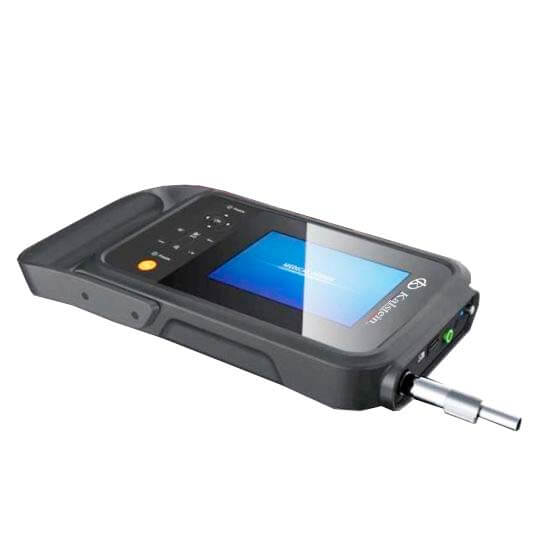
How to Choose Energy-Efficient Ultrasonic Diagnostic Equipment for Sustainable Practices
In the modern healthcare landscape, ultrasonic diagnostic equipment is critical for accurate imaging and diagnosis. However, as awareness of environmental impacts increases, the demand for energy-efficient and sustainable practices is becoming paramount. Selecting the right ultrasonic diagnostic equipment can significantly minimize energy consumption and reduce the environmental footprint of medical facilities. This article explores key considerations when choosing energy-efficient models, with a focus on specific equipment available in the market.
Understanding Energy Efficiency in Ultrasonic Diagnostic Equipment
Energy efficiency plays a crucial role in reducing operational costs and environmental impact in medical settings. Ultrasonic diagnostic equipment, which includes devices like ultrasound scanners, can be assessed based on their energy consumption metrics, battery life, and operational features that minimize waste. By evaluating the energy specifications of various models, laboratories can make informed decisions that align with sustainable practices while still meeting diagnostic requirements.
Factors to Consider for Sustainable Equipment
When considering ultrasonic diagnostic equipment, several factors influence both efficiency and overall sustainability:
- Energy Consumption: Examine the wattage and kWh ratings of devices. Lower ratings typically indicate reduced energy usage.
- Battery Life: Portable devices should have long battery life to reduce the need for recharging and increase operational flexibility.
- Material Sustainability: Consider equipment made from recyclable materials or those designed for longevity.
- Software Efficiency: Advanced imaging software that optimizes performance can reduce processing times and energy waste.
Comparison of Available Models
| Model | Energy Consumption (W) | Battery Life (Hours) | Best For |
|---|---|---|---|
| YR05146 | 50 | 3 | Veterinary Imaging |
| YR05147 | 60 | 3 | Obstetrics/Gynecology |
| YR05154 | 45 | 3 | General Diagnostics |
| YR05154-1 | 55 | 3 | Portable Applications |
| YR05155 | 50 | 3 | Linear Imaging |
| YR05155-1 | 60 | 3 | Tablet Integration |
Energy Consumption Breakdown
The energy consumption of ultrasonic diagnostic equipment can vary based on features, operational modes, and intended applications. Here’s a detailed look at energy consumption per model:
| Model | Average kWh per Session | Operational Mode | Energy Star Rating |
|---|---|---|---|
| YR05146 | 0.15 | Standby | Not Rated |
| YR05147 | 0.18 | Active | Not Rated |
| YR05154 | 0.12 | Standby | Not Rated |
| YR05154-1 | 0.17 | Active | Not Rated |
| YR05155 | 0.14 | Standby | Not Rated |
| YR05155-1 | 0.20 | Active | Not Rated |
Common Mistakes and How to Avoid Them
Selecting the right ultrasonic diagnostic equipment is essential for maximizing sustainability. Here are common pitfalls to avoid:
- Overlooking Energy Specs: Always check the energy consumption ratings to ensure you are choosing the most efficient models.
- Ignoring Software Capabilities: Ensure that the software can run efficiently with low power consumption, particularly in portable models.
- Neglecting Maintenance: Regular maintenance can prevent inefficiencies in energy use, so invest in equipment that is easy to service.
Frequently Asked Questions
How can I reduce energy consumption with ultrasonic diagnostic equipment?
Implementing energy-efficient ultrasonic diagnostic equipment like the YR05146 can significantly reduce energy usage. Look for models with low wattage and effective power management features to minimize operational costs.
What are the best practices for maintaining ultrasonic diagnostic equipment for sustainability?
Regular maintenance, such as cleaning probes and updating software, maximizes efficiency. Following guidelines from manufacturers ensures optimal performance and prolongs the device's life, which is essential for sustainability.
Which ultrasonic diagnostic models are the most energy-efficient in 2023?
The YR05154 model is known for its low energy consumption at approximately 0.12 kWh per session, making it particularly suitable for sustainable practices in diagnostic labs.
How does battery life affect the sustainability of portable ultrasound devices?
Devices like the YR05147 have a battery life of over three hours, minimizing the need for constant recharging, which conserves energy and promotes efficiency during use.
What are the environmental impacts of ultrasonic diagnostic equipment?
Ultrasonic diagnostic equipment can contribute to e-waste if not disposed of properly. Choosing models with recyclable materials and ensuring responsible disposal can mitigate these impacts.
How does ultrasound technology compare to other imaging methods in terms of energy use?
Ultrasound systems typically require less energy compared to MRI or CT scanners, making them a more sustainable choice in medical imaging, especially when using efficient models like YR05155.
What metrics should I consider when evaluating energy-efficient ultrasound equipment?
Key metrics include energy consumption (wattage), battery life, average kWh per session, and material sustainability, which can all impact the overall environmental footprint of the equipment.
How does the cost of energy-efficient ultrasonic diagnostic equipment compare to traditional models?
While initial costs may be higher for energy-efficient models, such as the YR05154-1, the reduction in operational costs through lower energy consumption can lead to a favorable return on investment over time.
If you are looking for a fusion of innovation and quality, you have come to the right place. At Kalstein, we offer you the luxury of exploring our exclusive catalog of laboratory equipment. We manufacture every device to the highest standards of excellence. Our intuitive and seamless online purchasing channels are designed for your convenience, securing the most competitive prices. Hesitate no longer — we bring science to life, it is time to become part of our community.