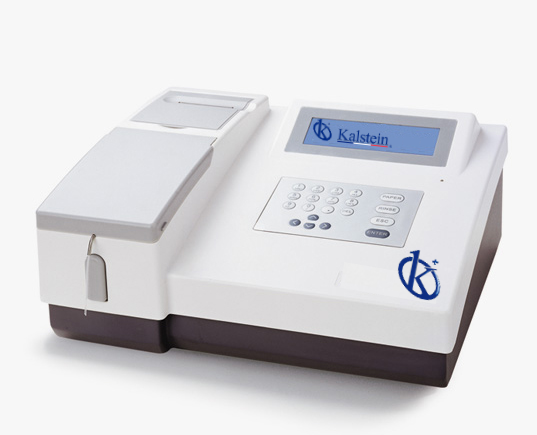
How to Enhance Energy Sustainability and Reduce Environmental Footprint with Chemical Analyzers?
In today's laboratories, the increasing concern for energy sustainability and environmental impact cannot be overlooked. Chemical analyzers play a critical role in this aspect, offering solutions that not only enhance operational efficiency but also contribute to a greener laboratory environment. This article delves into various models of chemical analyzers and how they can support laboratories in achieving energy sustainability goals.
Understanding the Importance of Energy Sustainability in Laboratories
Energy sustainability refers to the ability to meet current energy needs without compromising future generations' ability to meet theirs. In laboratory settings, reducing energy consumption is essential for minimizing operational costs and environmental impact. Many laboratories are under pressure to adopt greener practices, partly due to regulations and the growing need for corporate social responsibility.
Incorporating energy-efficient chemical analyzers can significantly contribute to these efforts. Adopting models that prioritize energy conservation, such as the Semi-automatic Chemistry Analyzer YR05115 with extended light source life and low power consumption, can lead to lower energy expenditures and reduced carbon footprints.
Evaluating Energy Consumption of Chemical Analyzers
When considering energy sustainability, it is crucial to evaluate the energy consumption of various chemical analyzers. Different models exhibit varying power requirements, which can significantly affect overall energy usage in a laboratory. The key is to select analyzers designed with energy-efficient technologies.
The Automatic Chemistry Analyzer YR06075, for instance, operates on a wide voltage range and integrates a power-saving mechanism, making it an excellent choice for laboratories aiming to reduce energy consumption. Implementing a thorough analysis of an analyzer's energy profile aids laboratories in making informed decisions.
Water and Reagent Consumption: An Overlooked Factor
Alongside energy consumption, water and reagent use is another significant factor affecting a laboratory's environmental footprint. Traditional chemical analyzers often lead to considerable waste, contributing to higher operational costs and negative environmental impacts.
In this regard, the Portable Chemical Analyzer YR06092 stands out as it is designed to optimize reagent usage while providing accurate results. By minimizing the volume of reagents needed for testing, laboratories not only reduce costs but also lessen their ecological footprint.
Lifecycle Assessment of Chemical Analyzers
A comprehensive lifecycle assessment (LCA) can provide valuable insights into the total environmental impact of chemical analyzers. An LCA evaluates the environmental effects of a product from the extraction of raw materials to its disposal.
Models like the Semiautomatic Chemistry Analyzer YR05116, which offers an open reagent system, allow laboratories to choose environmentally friendly reagents, thereby reducing harmful waste during their operational lifespan. Investing in analyzers that support sustainable product choices helps laboratories become more environmentally responsible.
Reducing E-Waste Through Sustainable Practices
E-waste is a growing concern in laboratories, particularly with outdated equipment contributing to environmental degradation. Transitioning to modern chemical analyzers with longer lifespans and better energy efficiency can significantly reduce e-waste levels.
The Semi-Automatic Chemistry Analyzer YR06078 is designed for durability and efficiency, mitigating the frequency of replacements and thus reducing e-waste. Laboratories can adopt practices such as refurbishing and recycling old equipment, further promoting sustainability.
Comparison of Available Models
| Model | Power Consumption (W) | Reagent Efficiency | Water Usage (L/test) | Best For |
|---|---|---|---|---|
| YR05115 | 80 | High | 0.5 | General chemical analysis |
| YR05114 | 90 | High | 0.6 | Comprehensive testing |
| YR06092 | 70 | Very High | 0.3 | Portable analysis |
| YR06075 | 150 | Moderate | 0.7 | High-throughput labs |
| YR05116 | 100 | High | 0.5 | Flexible laboratory settings |
| YR06078 | 110 | High | 0.6 | Versatile testing |
Common Mistakes and How to Avoid Them
When adopting chemical analyzers, laboratories often face pitfalls that can undermine their sustainability efforts. A common mistake is failing to evaluate the total cost of ownership, which includes energy consumption, maintenance, and reagent use.
Choosing the right model is crucial. For instance, overlooking models like the Automatic Chemistry Analyzer YR06075 with its high throughput capabilities can lead to underutilization and higher costs. Conducting thorough evaluations and considering long-term impacts can guide laboratories in making sustainable choices.
Frequently Asked Questions
How can chemical analyzers help in reducing laboratory energy costs?
Chemical analyzers like the Semi-automatic Chemistry Analyzer YR05115 are designed for energy efficiency, which can help reduce laboratory energy costs significantly by minimizing power consumption during operations.
What role do chemical analyzers play in minimizing reagent waste?
The Portable Chemical Analyzer YR06092 optimizes reagent usage, leading to significantly less waste, thereby contributing to lower operational costs and a reduced environmental footprint.
Which chemical analyzer model is best for energy sustainability?
The Automatic Chemistry Analyzer YR06075 is ideal for energy sustainability due to its efficient energy use and high throughput capabilities, making it suitable for busy laboratories aiming to minimize their energy footprint.
How does water usage impact the sustainability of chemical analyzers?
Lower water usage in chemical analyzers, like the YR06092, which uses only 0.3 L per test, significantly decreases laboratory environmental impact while also lowering operational costs related to water procurement and disposal.
What are the best practices for reducing e-waste in laboratories?
Investing in durable models like the YR06078 and promoting refurbishment programs are excellent practices for reducing e-waste, as they minimize the need for frequent replacements in laboratory environments.
How do lifecycle assessments influence the choice of chemical analyzers?
Conducting lifecycle assessments allows laboratories to evaluate the total environmental impact of chemical analyzers, assisting in selecting models like the YR05116, which support sustainable reagent choices and lower overall ecological footprints.
What are the most energy-efficient features to look for in chemical analyzers?
Lab professionals should seek models with features such as low power consumption, extended light source lifespan, and efficient reagent usage, like the Semi-automatic Chemistry Analyzer YR05115, promoting energy sustainability.
If you are looking for a fusion of innovation and quality, you have come to the right place. At Kalstein, we offer you the luxury of exploring our exclusive catalog of laboratory equipment. We manufacture every device to the highest standards of excellence. Our intuitive and seamless online purchasing channels are designed for your convenience, securing the most competitive prices. Hesitate no longer — we bring science to life, it is time to become part of our community.