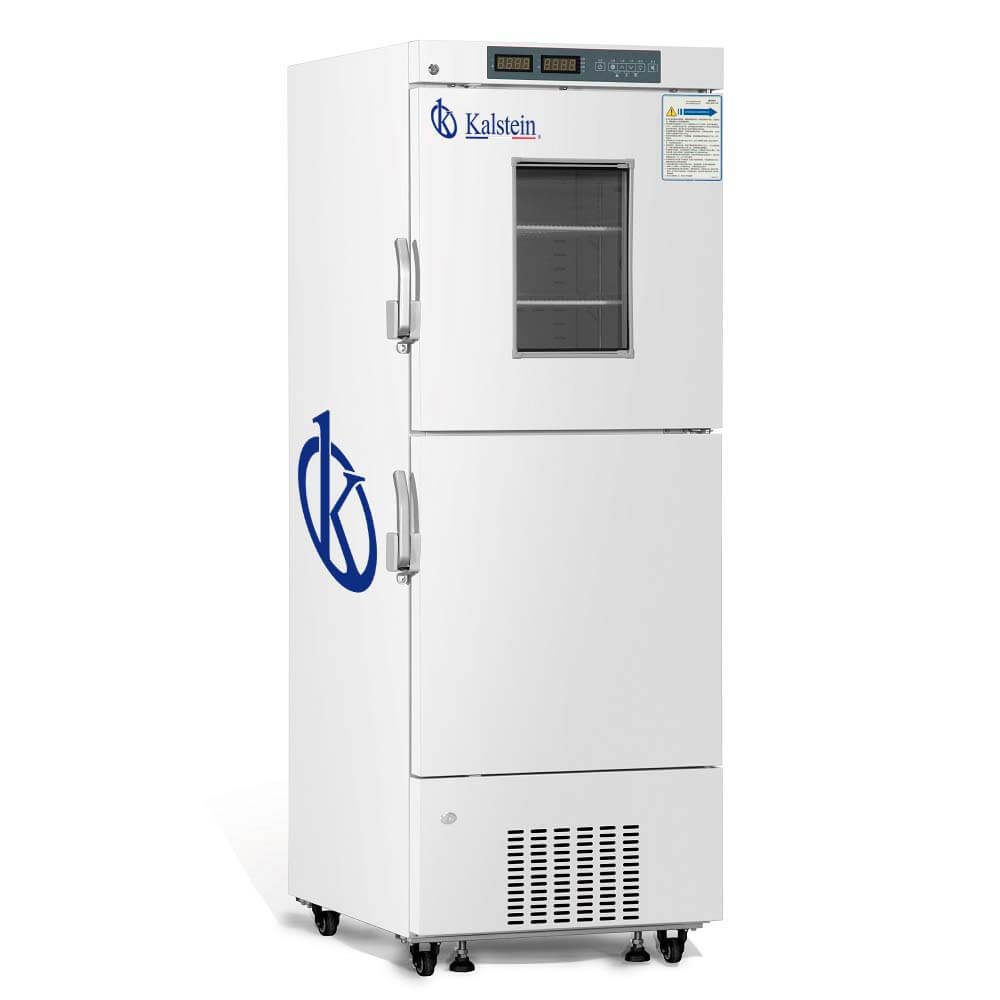
How to Achieve Energy Sustainability with Combined Freezers in Laboratories
In the modern laboratory environment, achieving energy sustainability is more than just a trend; it is an imperative for responsible research and development. This article focuses on combined freezers, examining how they can reduce the environmental footprint while meeting the specific cooling needs of laboratories. Through a detailed analysis of multiple models, we will explore their energy consumption, operational efficiency, and sustainability features.
Understanding Combined Freezers in the Context of Energy Sustainability
Combined freezers are essential in various laboratory applications, particularly in medical and research settings where the preservation of biological materials is crucial. These units, which integrate both refrigeration and freezing systems, can optimize energy usage while providing the necessary temperature control for sensitive samples. Energy efficiency in combined freezers can be achieved through various means, including the use of environmentally friendly refrigerants and advanced compressor technologies.
Comparison of Available Models
| Model | Energy Consumption (kWh/24h) | Cooling Method | Temperature Range (°C) | Best for |
|---|---|---|---|---|
| YR05320 | 4.15 | Direct Cooling | F: -20 to -40, R: 2 to 8 | Storing biological materials at varying temperatures |
| YR05321 | 3.03 | Direct Cooling | F: -10 to -25, R: 2 to 8 | Blood banks and hospitals |
| YR05321-1 | - | Direct Cooling | F: -10 to -25, R: 2 to 8 | PCR laboratories with dual temperature needs |
Energy Consumption Analysis
The energy consumption of laboratory freezers is critical in understanding their operational costs and environmental impact. Each model offers unique energy efficiency metrics, which can significantly affect long-term expenses. For instance, the YR05321 model consumes only 3.03 kWh per 24 hours, making it a suitable option for facilities aiming to minimize their energy footprint while maintaining compliance with energy standards.
Reducing Environmental Footprint through Technology
Technological advancements in combined freezers have led to better energy efficiency and lower environmental impact. The use of R290 and R600a refrigerants in models like YR05320 and YR05321 not only reduces energy consumption but also minimizes harmful emissions compared to traditional refrigerants. Regular maintenance and proper usage can further enhance these models' sustainability, ensuring optimal performance without compromising ecological responsibility.
Common Mistakes and How to Avoid Them
Laboratory managers often make critical mistakes when selecting and operating combined freezers. One common error is underestimating energy consumption needs; it is essential to match the freezer's capabilities with your laboratory's specific requirements. Additionally, neglecting to implement regular maintenance can lead to inefficiencies and increased energy usage. Proper training on operating these units can significantly enhance their energy sustainability.
Strategies for Effective Usage and Sustainability
To maximize energy sustainability, laboratories should adopt several best practices. First, conducting an energy audit can help identify areas for improvement. Second, utilizing energy-efficient protocols and settings can optimize the performance of combined freezers. For example, keeping the YR05321 model at its optimal temperature range can ensure consistent performance while using less energy. Lastly, staff training on energy-efficient practices can lead to better operational habits.
Lifecycle Assessment of Combined Freezers
Performing a lifecycle assessment on combined freezers helps laboratories understand their entire environmental impact, from manufacturing to disposal. By evaluating energy consumption, materials used, and potential recycling options, labs can make informed decisions about which models to invest in. For example, choosing the YR05321 model not only offers immediate energy savings but also contributes to long-term sustainability goals.
Frequently Asked Questions
What are the energy efficiency standards for combined freezers in laboratories?
Energy efficiency standards for combined freezers often depend on the model. For instance, the YR05320 model uses R600a and R290 refrigerants, aligning with modern energy efficiency guidelines aimed at reducing environmental impact.
How can I reduce the operational costs of a combined freezer in my lab?
To reduce operational costs, consider models like YR05321, which consume only 3.03 kWh per 24 hours. Implementing an energy audit can also help identify areas where efficiency can be improved, thus lowering costs.
Which combined freezer model is best for energy sustainability in research labs?
The YR05320 model is particularly noted for its energy sustainability due to its efficient refrigeration system and use of eco-friendly refrigerants, making it suitable for research applications requiring energy conservation.
How often should I perform maintenance on my combined freezer for optimal performance?
Performing maintenance at least once a year is recommended to ensure optimal performance of your combined freezer, such as the YR05321 model. Regular checks can prevent inefficiencies and maintain energy consumption at ideal levels.
What is the average lifespan of a combined freezer in a laboratory setting?
The average lifespan of a combined freezer, such as the YR05321-1 model, typically ranges from 10 to 15 years. Proper maintenance and energy-efficient usage can extend its lifespan while reducing overall environmental impact.
How do I choose the right combined freezer for my laboratory's needs?
Choosing the right combined freezer involves considering factors such as energy consumption, cooling capacity, and specific laboratory requirements. The YR05320 model is ideal for laboratories needing dual temperature control for biological specimens.
Can combined freezers help laboratories comply with environmental regulations?
Yes, models like YR05321 comply with many environmental regulations due to their eco-friendly refrigerants and low energy consumption, assisting laboratories in meeting sustainability goals.
What energy-saving features should I look for in a combined freezer?
Look for features such as variable speed compressors, efficient refrigerants like those used in YR05320, and energy monitoring systems, which can help track and reduce consumption effectively in laboratory settings.
If you are looking for a fusion of innovation and quality, you have come to the right place. At Kalstein, we offer you the luxury of exploring our exclusive catalog of laboratory equipment. We manufacture every device to the highest standards of excellence. Our intuitive and seamless online purchasing channels are designed for your convenience, securing the most competitive prices. Hesitate no longer — we bring science to life, it is time to become part of our community.