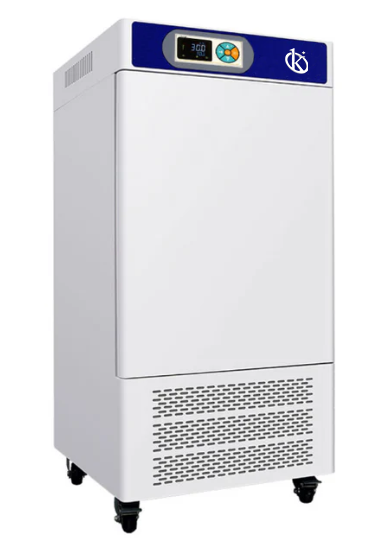
How Energy Sustainability Impacts the Use of Constant Temperature and Humidity Incubators
In today’s laboratory setting, the demand for energy sustainability is increasingly influencing the design and functionality of Constant Temperature and Humidity incubators. These sophisticated devices are crucial in various applications such as environmental protection, medical research, and scientific studies. As laboratories strive to reduce their carbon footprint and operational costs, understanding how energy-efficient models can contribute to these goals becomes essential.
Understanding Energy Sustainability in Laboratory Equipment
Energy sustainability refers to the ability to meet energy needs without compromising the ability of future generations to meet their own needs. Laboratories are often significant consumers of energy, leading to high operational costs and a considerable environmental impact. Hence, choosing equipment that incorporates energy-efficient technologies is vital for promoting sustainability.
Overview of Constant Temperature and Humidity Incubators
Constant Temperature and Humidity incubators provide controlled environments necessary for the growth of cultures, testing of materials, or conducting experiments that require specific temperature and humidity levels. Their applications span various fields, including biology, agriculture, and pharmaceuticals.
Benefits of Energy-Efficient Incubators
Energy-efficient incubators not only reduce energy consumption but also minimize operational costs and environmental impact. They often include features such as better insulation, advanced control systems, and the use of renewable energy sources which can all contribute to lower energy use. Transitioning to these models can significantly help laboratories achieve their sustainability goals.
Comparative Analysis of Models
Below is a comparative analysis of three Constant Temperature and Humidity incubators that illustrate their efficiency and impact on sustainability.
| Model | Temperature Range (℃) | Power (kW) | Net Weight (kg) | Best Use Case | Energy Efficiency Features |
|---|---|---|---|---|---|
| YR02053 | 0 ~ 60 | 0.4 | 93 | General laboratory use | Automatic defrost, stainless steel interior |
| YR02054 | 0 ~ 60 | 0.6 | 105 | Pharmaceutical testing | Energy-efficient design, dual door sealing |
| YR02055 | 0 ~ 60 | 0.8 | 133 | Agricultural research | Highly insulated, reduced energy loss |
Common Mistakes and How to Avoid Them
Laboratory professionals often overlook the significance of energy efficiency when purchasing incubators. Common mistakes include selecting models based solely on initial costs, ignoring ongoing energy expenses, and failing to assess the environmental impact. It is crucial to evaluate the total cost of ownership, including energy consumption, maintenance, and potential savings from using energy-efficient models.
Frequently Asked Questions
How do constant temperature and humidity incubators help reduce energy consumption?
Constant Temperature and Humidity incubators like the YR02053 use advanced control systems to maintain optimal conditions while minimizing energy waste. By employing automatic defrost and high-quality insulation, these models significantly lower energy consumption.
What is the energy consumption of the YR02054 incubator?
The YR02054 incubator operates at 0.6 kW, making it a more energy-efficient choice for laboratories focused on sustainability. Its design promotes reduced energy usage while maintaining reliable performance.
Which model is best for environmentally-focused laboratories?
The YR02055 incubator, with its superior insulation and energy-saving features, is ideal for environmentally-focused laboratories aiming to minimize their carbon footprint while ensuring precise environmental controls.
What certifications should I look for in energy-efficient incubators?
Look for certifications like ENERGY STAR or EPEAT, as these indicate compliance with energy efficiency standards. The YR02054 is designed with such standards in mind, ensuring sustainable operation.
How can incubators aid in achieving sustainability targets?
By utilizing models such as the YR02053, laboratories can decrease their energy consumption, thus reducing their overall carbon footprint and contributing to sustainability targets while maintaining operational efficiency.
What maintenance practices improve the energy efficiency of incubators?
Regular maintenance such as cleaning filters, ensuring proper sealing, and checking insulation can significantly enhance the energy efficiency of incubators, including the YR02054 model.
How does the size of an incubator affect its energy usage?
The size of an incubator affects its energy usage, with larger models like the YR02055 consuming more energy. However, energy-efficient designs can mitigate this impact through superior insulation and controls.
What are the cost implications of using energy-efficient incubators?
While initial costs may be higher, energy-efficient incubators like the YR02054 can lead to significant savings in energy bills over time, ultimately providing a higher return on investment.
If you are looking for a fusion of innovation and quality, you have come to the right place. At Kalstein, we offer you the luxury of exploring our exclusive catalog of laboratory equipment. We manufacture every device to the highest standards of excellence. Our intuitive and seamless online purchasing channels are designed for your convenience, securing the most competitive prices. Hesitate no longer — we bring science to life, it is time to become part of our community.