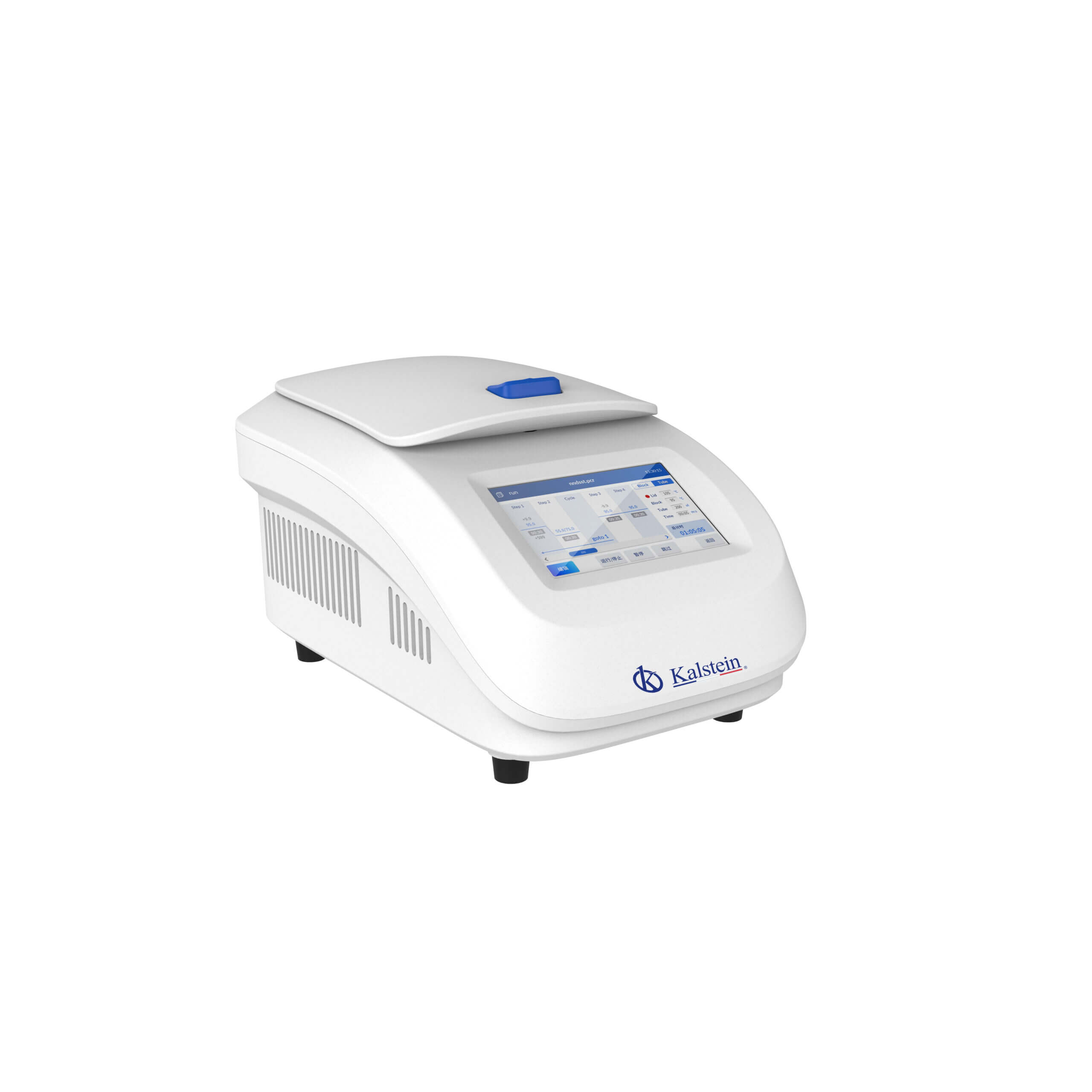
Enhancing Energy Sustainability and Reducing Environmental Footprint in Biochemical BOD Incubators
As the laboratory sector increasingly focuses on sustainability and minimizing its environmental footprint, biochemical BOD incubators have become crucial in research and industry. These devices are essential for measuring biological oxygen demand, critical for assessing the impact of wastewater on the environment. In this article, we will explore various models of biochemical BOD incubators, examining their features and specifications through the lens of sustainability and energy reduction. We will also provide actionable insights for laboratory professionals seeking to make informed purchasing decisions.
Understanding Energy Sustainability in Biochemical BOD Incubators
Energy sustainability refers to the efficient use of energy while minimizing the impact on the environment. In the context of biochemical BOD incubators, this means selecting models that use less energy while maintaining optimal performance. The latest incubators utilize advanced technologies that enhance temperature control and reduce energy consumption. Choosing energy-efficient models not only lowers operational costs but also contributes to a more sustainable laboratory.
Comparison of Available Models
| Model | Temperature Range (°C) | Power Consumption (W) | Best Use Case | Price (USD) |
|---|---|---|---|---|
| YR05889 | RT -25 to 100 | 200 | DNA amplification, sample preservation | 590.00 |
| YR05890 | RT +5 to 100 | 250 | Sample reaction, denaturation treatment | 390.00 |
| YR05891 | RT +5 to 100 | 48 | Small laboratory applications | 89.00 |
| YR05892 | RT +5 to 100 | 60 | Quick inspection kits | 189.00 |
| YR05893 | RT +5 to 100 | 120 | Small samples in fieldwork | 149.00 |
| YR05894 | RT +5 to 105 | 150 | Sample pre-treatment, quality control | 119.00 |
Strategies for Reducing Environmental Footprint
Reducing the environmental impact of biochemical BOD incubators involves several strategies. Firstly, using incubators with better thermal insulation minimizes energy loss, thus lowering electricity consumption. Secondly, implementing regular maintenance schedules ensures that incubators operate efficiently, enhancing their longevity and performance. Finally, utilizing renewable energy sources, such as solar panels, can further decrease reliance on non-renewable power.
Evaluating Energy Consumption Metrics
To effectively assess energy consumption, laboratories should consider metrics such as kilowatt-hours (kWh) per run and the average operational time of incubators. For instance, an incubator consuming 200W running for 10 hours would utilize 2 kWh per cycle. Tracking energy expenses over a month can help labs identify patterns and opportunities for energy savings. The following metrics can be insightful:
| Model | Energy Consumption per Cycle (kWh) | Monthly Energy Savings Potential (%) |
|---|---|---|
| YR05889 | 2.0 | 15 |
| YR05890 | 2.5 | 20 |
| YR05891 | 0.48 | 25 |
| YR05892 | 0.6 | 30 |
| YR05893 | 1.2 | 20 |
| YR05894 | 1.5 | 15 |
Common Mistakes and How to Avoid Them
Laboratory professionals often make mistakes when selecting biochemical BOD incubators. One critical error is not considering energy efficiency in the decision-making process. It is essential to weigh the operational costs against the initial investment. Another common pitfall is neglecting to conduct proper maintenance, which can lead to decreased performance and increased energy consumption. Finally, overlooking the environmental impact of laboratory operations can result in missed opportunities for sustainability improvements.
Frequently Asked Questions
How can a biochemical BOD incubator reduce energy consumption effectively?
Biochemical BOD incubators can reduce energy consumption by utilizing insulated designs that minimize heat loss, as seen in models like YR05891, which has a low power consumption of 48W. Regular maintenance and optimal usage practices can further enhance efficiency.
Which models have the best performance for energy sustainability in 2026?
The YR05891 and YR05892 models are designed with energy sustainability in mind, featuring low power consumption rates and effective temperature control, making them ideal choices for 2026's laboratory standards.
What are the key features to look for in a sustainable biochemical BOD incubator?
When selecting a sustainable biochemical BOD incubator, look for features such as energy-efficient technology, programmable temperature settings, and insulation. Models like YR05890 provide excellent control with minimal energy use, contributing to sustainability goals.
How does the energy footprint of the YR05894 compare to others in its category?
The YR05894 model balances energy footprint effectively, consuming 150W, which is competitive compared to others. Its advanced features support sustainability without compromising performance, making it a valuable choice.
What strategies can laboratories implement to enhance the efficiency of BOD incubators?
Laboratories can enhance BOD incubator efficiency by regularly scheduling maintenance, training staff on optimal usage, and selecting models like YR05891 known for their energy efficiency. Implementing renewable energy sources can further reduce their carbon footprint.
How do different biochemical BOD incubators impact environmental sustainability?
Different biochemical BOD incubators impact environmental sustainability through their energy consumption, heat retention capabilities, and material usage. Models with advanced insulation and energy-saving features, such as YR05890, significantly lower adverse effects.
What is the expected ROI on energy-efficient BOD incubators in laboratory settings?
Energy-efficient BOD incubators like YR05891 can yield a positive ROI by reducing operational costs. Over time, reduced energy use and maintenance expenses can offer savings that outweigh the initial investment, increasing overall lab budget efficiency.
How do I choose a biochemical BOD incubator that aligns with sustainability goals?
To choose a biochemical BOD incubator that aligns with sustainability goals, consider energy consumption metrics, insulation features, and the model's overall environmental impact. Incubators such as YR05892 are designed specifically for low energy use.
If you are looking for a fusion of innovation and quality, you have come to the right place. At Kalstein, we offer you the luxury of exploring our exclusive catalog of laboratory equipment. We manufacture every device to the highest standards of excellence. Our intuitive and seamless online purchasing channels are designed for your convenience, securing the most competitive prices. Hesitate no longer — we bring science to life, it is time to become part of our community.