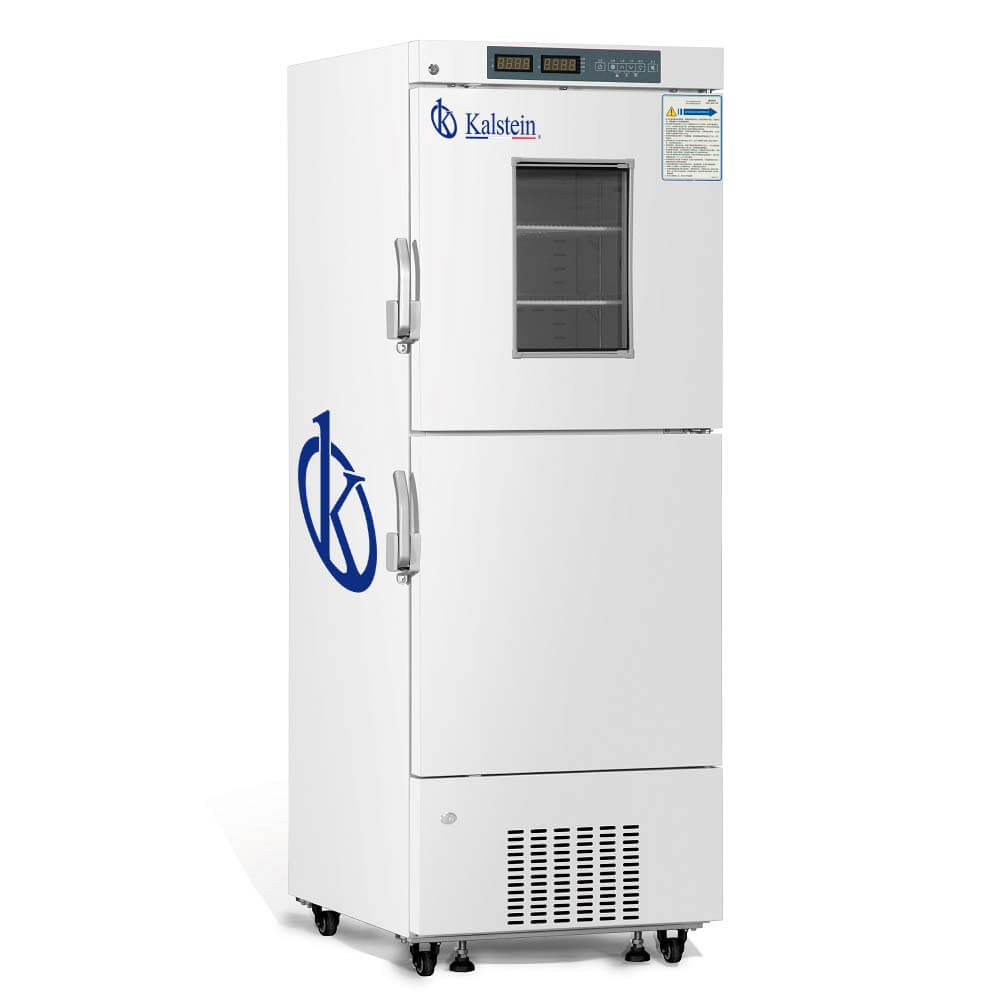
Energy Sustainability and Environmental Footprint Reduction with Combined Freezers in 2026
As laboratories are increasingly tasked with minimizing their environmental impact, the selection of combined freezers plays a crucial role in energy sustainability. These devices not only store biological materials but also contribute to the overall energy efficiency of laboratory operations. In this article, we will analyze multiple models of combined freezers, evaluate their specifications, and discuss their implications in the context of energy sustainability and reducing environmental footprints.
Understanding Combined Freezers and Their Role in Energy Sustainability
Combined freezers, such as the YR05320, YR05321, and YR05321-1 models, are designed to optimize energy consumption while maintaining the integrity of stored materials. They are pivotal in research institutions and clinical settings, where energy efficiency is paramount. By understanding their cooling mechanisms and energy usage, laboratories can make informed choices that align with sustainability goals.
Impact of Energy Efficiency on Laboratory Operations
Energy efficiency in combined freezers directly affects operating costs and the laboratory's carbon footprint. For instance, the YR05320 has a power consumption of 4.15 kWh/24h, which can be compared to the other models. The operational savings from selecting energy-efficient units can lead to lower monthly expenses and contribute to meeting regulatory requirements for environmental responsibility.
Comparative Analysis of Energy Consumption
| Model | Power Consumption (kWh/24h) | Cooling Method | Best Applications |
|---|---|---|---|
| YR05320 | 4.15 | Direct Refrigeration | Storing Plasma, Vaccines |
| YR05321 | 3.03 | Direct Refrigeration | Medical and Laboratory Use |
| YR05321-1 | N/A | Direct Refrigeration | Blood Transfusion Centers |
Strategies for Reducing Environmental Footprint
Reducing environmental footprints can be achieved through various strategies, including selecting models with superior energy ratings and implementing best practices for usage. For instance, utilizing the YR05321 with its lower energy consumption can significantly contribute towards sustainable laboratory practices.
Lifecycle Assessment of Combined Freezers
Performing a lifecycle assessment reveals the environmental impact of combined freezers from manufacturing to disposal. Emphasizing eco-friendly materials and efficient energy use helps laboratories contribute to sustainability goals and reduces e-waste.
Regulatory Compliance and Energy Standards
Adhering to energy standards is essential for laboratories aiming for sustainability. Regulations such as the ENERGY STAR certification can guide laboratories in selecting compliant models like the YR05321-1, which supports energy conservation measures.
Common Mistakes and How to Avoid Them
Laboratories often overlook the importance of energy ratings when selecting combined freezers. It's crucial to compare specifications, including energy consumption and cooling capabilities, to avoid future operational costs. Engaging suppliers who provide detailed energy profiles is essential for informed decision-making.
Comparison of Available Models
| Model | Cost (USD) | Best for | Cooling Range (°C) |
|---|---|---|---|
| YR05320 | 1415.00 | Pharmacies, Research Institutions | -20 to -40 |
| YR05321 | 1060.00 | Hospitals, Blood Banks | -10 to -25 |
| YR05321-1 | 745.00 | Laboratories, Blood Centers | 2 to 8 and -10 to -25 |
Frequently Asked Questions
How much energy does a combined freezer model consume over 24 hours?
The YR05321 model consumes 3.03 kWh per 24 hours, making it an energy-efficient option for laboratories seeking to minimize their environmental footprint in 2026.
What features should I look for in a sustainable combined freezer?
When selecting a sustainable combined freezer, consider models like YR05320 that offer direct refrigeration, lower energy consumption, and compliance with recognized energy efficiency standards.
Which combined freezer model is best for storing vaccines?
The YR05320 is ideal for vaccine storage, with a cooling range of -20 to -40 °C, ensuring the stability of temperature-sensitive biological materials.
What are the financial benefits of using energy-efficient combined freezers?
Energy-efficient models, such as the YR05321, lead to lower operational costs. Their reduced energy consumption translates to savings that can be redirected to other laboratory needs.
How do combined freezers contribute to meeting environmental regulations?
Combined freezers like the YR05321-1 help laboratories meet environmental regulations by providing energy-efficient solutions that reduce overall consumption and environmental impact.
What is the average cost of a combined freezer in 2026?
The average cost of a combined freezer, such as the YR05321-1, is around $745, making it a budget-friendly option for laboratories looking to enhance sustainability.
Can choosing the right combined freezer influence lab sustainability?
Yes, selecting models like YR05320 that prioritize energy efficiency can significantly influence a lab's sustainability efforts while enhancing operational performance.
Why is it important to analyze the lifecycle of combined freezers?
Analyzing the lifecycle of combined freezers helps laboratories identify environmental impacts from production to disposal and aids in making sustainable choices for long-term operations.
If you are looking for a fusion of innovation and quality, you have come to the right place. At Kalstein, we offer you the luxury of exploring our exclusive catalog of laboratory equipment. We manufacture every device to the highest standards of excellence. Our intuitive and seamless online purchasing channels are designed for your convenience, securing the most competitive prices. Hesitate no longer — we bring science to life, it is time to become part of our community.