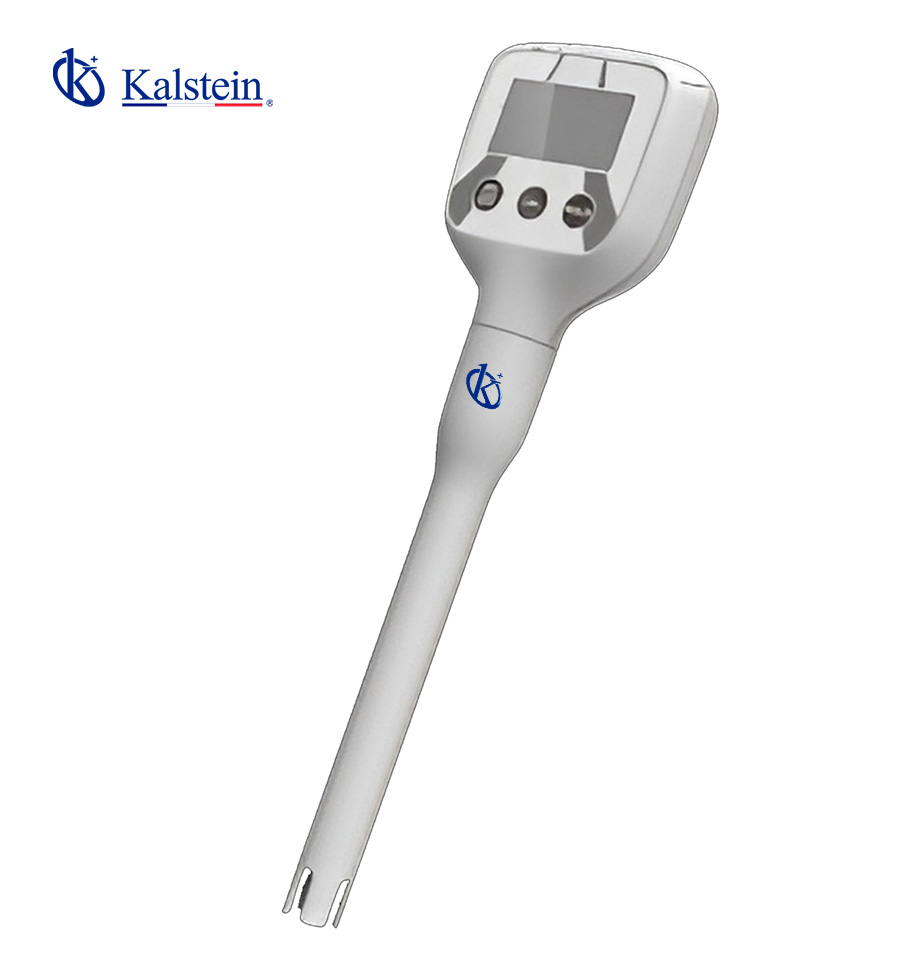
Energy Sustainability and Environmental Footprint Reduction: A Guide to Portable Conductivity Meters
In today's rapidly evolving laboratory landscape, the focus on energy sustainability and reducing environmental footprints has become paramount. Portable conductivity meters play a critical role in these initiatives, enabling laboratories to measure and monitor various parameters effectively while minimizing energy consumption and waste. This article delves into the importance of energy sustainability in laboratory operations, highlights the best portable conductivity meters available, and provides insights on how to optimize their use for reducing environmental impact.
Understanding Energy Sustainability in Laboratories
Energy sustainability refers to the ability to meet present energy needs without compromising the ability of future generations to meet their own needs. In laboratories, this involves optimizing energy consumption, reducing waste, and implementing practices that support environmental stewardship. Portable conductivity meters contribute to these goals by enabling precise measurements that help in monitoring water quality and chemical concentrations, leading to better resource management.
Benefits of Using Portable Conductivity Meters
Portable conductivity meters offer numerous advantages that align with sustainability goals. Firstly, their compact design allows for efficient field measurements, reducing the need for transporting samples to the lab. Secondly, many models include automatic calibration and data storage features that save time and minimize waste. Lastly, the use of rechargeable batteries in some models reduces the overall carbon footprint associated with traditional disposable batteries.
Key Features to Look for in Portable Conductivity Meters
When selecting a portable conductivity meter, it is essential to consider several key features that enhance sustainability. Look for models that offer:
- Automatic Temperature Compensation (ATC): This feature adjusts readings based on temperature fluctuations, ensuring accuracy and reducing the need for retesting.
- Data Logging: The ability to store and retrieve data helps in tracking usage patterns and making informed decisions about resource allocation.
- Durability: Models with high IP ratings are resistant to dust and water, ensuring longevity and reducing waste from frequent replacements.
- Low Power Consumption: Meters that utilize low-energy technology or rechargeable batteries contribute to reduced energy usage.
Comparison of Available Models
| Model | Price (USD) | Calibration Points | Data Logging | Best For |
|---|---|---|---|---|
| YR01805 | 24.00 | 1 Point | No | Basic Field Measurements |
| YR01806 | 149.00 | 1-3 Points | Yes | Advanced Laboratory Use |
| YR01808 | 59.00 | 1-3 Points | Yes | Versatile Applications |
| YR01809 | 62.00 | 1-3 Points | Yes | Multiparameter Measurements |
| YR01810 | 65.00 | 1-3 Points | Yes | Conductivity and TDS |
| YR01811 | 50.00 | 1 Point | No | Budget Field Testing |
Common Mistakes and How to Avoid Them
Laboratories often overlook the importance of calibrating their portable conductivity meters regularly, which can lead to inaccurate measurements and wasted resources. Additionally, failing to consider environmental conditions, such as temperature and humidity, can affect the performance of these meters. To avoid these pitfalls, it's essential to implement a routine calibration schedule, store meters in controlled environments, and educate users about proper handling techniques.
Optimizing Energy Consumption with Portable Conductivity Meters
To further enhance sustainability, laboratories can adopt practices that optimize energy consumption while using portable conductivity meters. For instance, utilizing models with automatic shut-off features can prevent unnecessary battery drainage. Moreover, implementing a data management system that tracks usage and performance can highlight opportunities for reducing energy waste, such as identifying instruments that are frequently underutilized.
Implementing a Sustainability Strategy in Laboratory Operations
Developing a comprehensive sustainability strategy is critical for laboratories aiming to reduce their environmental impact. This can include establishing protocols for the use of portable conductivity meters, regular training sessions for staff on energy-efficient practices, and investing in eco-friendly materials and technologies. By integrating these measures, laboratories will be better positioned to minimize their footprint and contribute to a more sustainable future.
Frequently Asked Questions
How can portable conductivity meters help reduce energy consumption in laboratories?
Portable conductivity meters, such as the YR01810, reduce energy consumption by providing accurate readings on-site, minimizing the need to transport samples and operate energy-intensive testing equipment. This leads to decreased operational costs and a lower environmental footprint.
What features of the YR01806 model support environmental sustainability?
The YR01806 model features automatic calibration and data logging capabilities, which optimize usage and reduce waste. These features help ensure accurate measurements without the frequent need for retesting, thereby saving both time and resources.
Which portable conductivity meter is best for field tests focusing on low energy use?
The YR01805 is ideal for field tests as it is compact, lightweight, and features low power consumption. This model is perfect for basic measurements while ensuring minimal energy use.
How often should portable conductivity meters be calibrated to ensure accuracy?
Calibration of portable conductivity meters, such as the YR01808, should be done at least once a month or before critical measurements. Regular calibration ensures measurement accuracy, thereby reducing the need for repeated tests and conserving resources.
What types of data management practices enhance sustainability in labs using portable meters?
Implementing data management practices, such as tracking usage statistics from models like the YR01810, allows laboratories to identify underutilized equipment. This enables better resource allocation and helps minimize unnecessary energy expenditure.
How do portable conductivity meters contribute to waste reduction in laboratory settings?
Portable conductivity meters streamline the measurement process and reduce the need for sample transport, which lowers the overall resource use and waste produced. Models like the YR01811 facilitate efficient testing that directly supports waste reduction initiatives.
What are the cost benefits of using energy-efficient portable conductivity meters?
Energy-efficient portable conductivity meters, such as the YR01806, reduce operational costs through lower power consumption and decreased need for consumables. Over time, these savings contribute to a more sustainable budget and operational model.
Closing CTA
If you are looking for a fusion of innovation and quality, you have come to the right place. At Kalstein, we offer you the luxury of exploring our exclusive catalog of laboratory equipment. We manufacture every device to the highest standards of excellence. Our intuitive and seamless online purchasing channels are designed for your convenience, securing the most competitive prices. Hesitate no longer — we bring science to life, it is time to become part of our community.