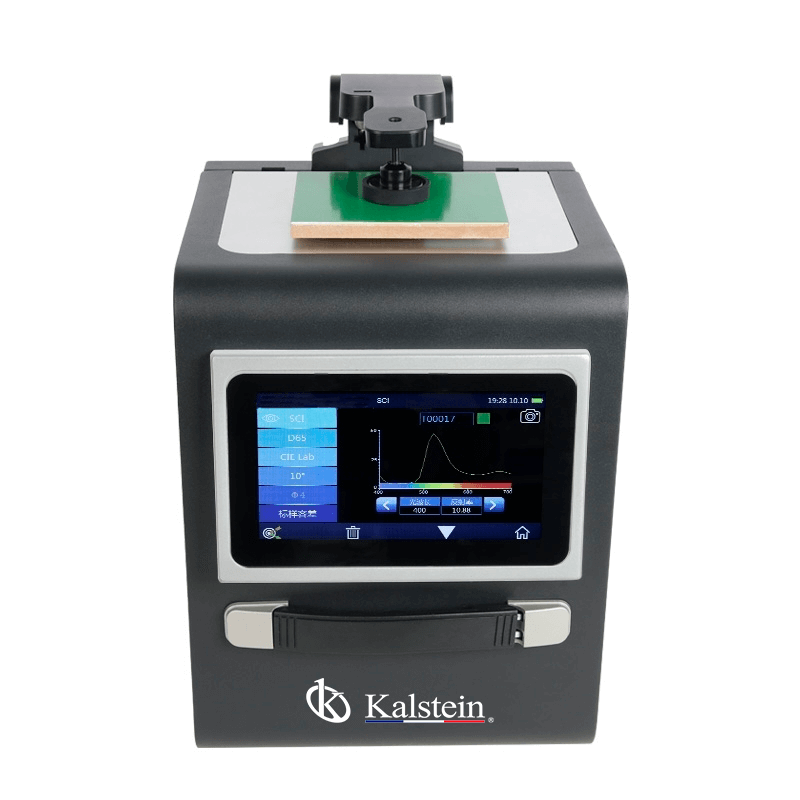
Energy Sustainability and Environmental Footprint Reduction in Portable Benchtop Spectrophotometers
The modern laboratory faces an increasing demand for not only efficiency but also sustainability. As organizations strive to minimize their environmental impact, the role of portable benchtop spectrophotometers becomes crucial. These instruments are not just essential for accurate measurements and analysis; they also contribute significantly to energy efficiency and waste reduction. This article explores how various models of portable benchtop spectrophotometers can help reduce the environmental footprint while maintaining high performance in laboratory settings.
Understanding the Importance of Energy Sustainability in Laboratories
Energy sustainability in laboratories is pivotal not only for compliance with environmental regulations but also for operational cost reduction. The growing concern regarding climate change and resource depletion necessitates that laboratories adopt practices that minimize energy consumption and environmental waste. Portable benchtop spectrophotometers, with their advanced technology, offer solutions that align with sustainability goals.
The shift towards energy-efficient devices can significantly lower kilowatt-hour (kWh) usage per run. Hence, laboratories can achieve a dual benefit of cost savings while contributing positively to environmental conservation. This proactive approach in selecting laboratory equipment, such as portable benchtop spectrophotometers, can reduce the ecological footprint of laboratory operations.
Comparison of Available Models
| Model | Energy Efficiency (kWh/run) | Price (USD) | Best For |
|---|---|---|---|
| YR05484 | 0.5 | 4730.00 | Color measurement in textiles |
| YR05485 | 0.6 | 4950.00 | Large sample analysis |
| YR05486 | 0.55 | 4640.00 | Paint and color quality control |
| YR05487 | 0.58 | 4018.00 | Textile and electronic quality assurance |
Reducing Energy Footprint through Technological Advancements
Portable benchtop spectrophotometers like the YR05484 utilize advanced CMOS image sensors that enhance measurement efficiency while consuming less power. By optimizing the optical geometry to 45/0, this model ensures quick and precise readings, leading to reduced energy consumption during operations. Moreover, it adheres to industry standards making it ideal for laboratories prioritizing sustainability.
In comparison, the YR05485 features a D/8 optical geometry that allows for diffuse illumination and offers greater versatility in analyzing larger samples. Despite its slightly higher energy usage, the ability to handle bigger samples contributes to time savings and reduced operational overhead, crucial for laboratories aiming to minimize their carbon footprint.
Best Practices for Utilizing Portable Benchtop Spectrophotometers Effectively
To maximize the sustainability benefits of using portable benchtop spectrophotometers, laboratories should implement best practices such as regular calibration and maintenance. These practices not only ensure accuracy in measurements but also enhance the longevity of the equipment, thus reducing the frequency of replacements and electronic waste.
Additionally, training personnel on the most efficient operational techniques can further decrease energy consumption. For example, the YR05486 model includes customizable apertures that adapt well to various sample types, making it easier for technicians to optimize their workflow without unnecessary energy expenditure.
Lifecycle Assessment and Environmental Impact
Conducting a lifecycle assessment (LCA) on portable benchtop spectrophotometers can provide valuable insights into their environmental impact. The assessment begins with the extraction of raw materials for manufacturing and extends through usage to end-of-life disposal. By analyzing each phase, laboratories can identify opportunities to enhance sustainability.
For instance, materials used in the construction of the YR05487 model are selected based on their recyclability and lower environmental impact. Furthermore, the design aims to minimize the use of hazardous substances, thus making it safer for both the operator and the environment.
Common Mistakes and How to Avoid Them
One common mistake laboratories make is neglecting to consider the energy consumption of their equipment. Often, cheaper models may seem appealing, but long-term operational costs can outweigh initial savings. Choosing models like the YR05486, which balance cost with energy efficiency, can mitigate this issue.
Another pitfall is not utilizing equipment to its full potential. For instance, understanding the specific application for each spectrophotometer model can lead to better outcomes. The YR05485 is ideal for large samples, while the YR05487 excels in precise color measurement, making it essential to select the right model for your needs.
Frequently Asked Questions
How does the YR05484 spectrophotometer help reduce energy consumption in the lab?
The YR05484 model has a low energy consumption rate of 0.5 kWh per run, making it an energy-efficient choice for laboratories focused on sustainability while performing color measurements in various industries.
What are the environmental benefits of using portable benchtop spectrophotometers?
Portable benchtop spectrophotometers, like the YR05485, significantly reduce waste and energy consumption, promoting sustainability in laboratories through advanced technological features that minimize their environmental footprint.
Which model is best for minimizing environmental impact in textile testing?
The YR05487 is specifically designed for textile quality assurance and has a low energy usage rate, making it ideal for laboratories aiming to minimize their environmental impact while ensuring quality.
How can lifecycle assessment improve the sustainability of spectrophotometers?
Conducting a lifecycle assessment, particularly on models like the YR05486, helps identify areas to enhance sustainability by assessing materials used, energy consumption, and overall environmental impact throughout its lifespan.
What energy-saving features should I look for in a portable spectrophotometer?
Key features include low kWh per run, efficient optical geometries such as those in the YR05484, and compliance with sustainability standards, ensuring that the equipment contributes positively to energy savings.
How can lab managers ensure the right model is selected for sustainability goals?
Lab managers should evaluate models based on energy efficiency, application needs, and total cost of ownership, considering models like the YR05485 for large sample analysis while maintaining sustainability.
What is the role of calibration in respecting environmental standards?
Regular calibration of spectrophotometers like the YR05486 ensures accurate readings and prolonged equipment lifespan, which reduces waste and supports compliance with sustainability standards in laboratories.
How do portable benchtop spectrophotometers enhance operational efficiency?
Models such as the YR05487 increase operational efficiency through reduced sample analysis times, allowing laboratories to manage workflows better while decreasing energy usage and promoting sustainability.
If you are looking for a fusion of innovation and quality, you have come to the right place. At Kalstein, we offer you the luxury of exploring our exclusive catalog of laboratory equipment. We manufacture every device to the highest standards of excellence. Our intuitive and seamless online purchasing channels are designed for your convenience, securing the most competitive prices. Hesitate no longer — we bring science to life, it is time to become part of our community.