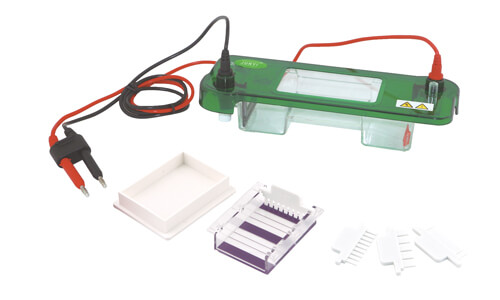
Energy Sustainability and Environmental Footprint Reduction in Horizontal Electrophoresis
The demand for environmentally friendly practices in laboratory settings is on the rise. Horizontal electrophoresis, a vital technique in molecular biology, is no exception. In this article, we delve into how energy efficiency and environmental footprint reduction can be effectively integrated into the use of horizontal electrophoresis systems. By examining various models, we will highlight their sustainability features, energy consumption, and potential for reducing waste.
Understanding Horizontal Electrophoresis in the Context of Energy Sustainability
Horizontal electrophoresis is a critical technique used for separating macromolecules such as DNA and proteins. As laboratories seek to minimize their ecological impact, selecting equipment that prioritizes energy efficiency becomes imperative. This includes evaluating the energy consumption, waste production, and overall environmental impact of electrophoresis systems.
Modern horizontal electrophoresis units, such as the YR03415, YR03416, YR03417, YR03418, YR03419, and YR03420, have been designed not only for optimal performance but also with sustainability in mind. These models provide varying features that can help laboratories reduce their energy footprint while maintaining high-quality results in electrophoresis.
Energy Consumption Analysis of Horizontal Electrophoresis Models
When evaluating horizontal electrophoresis systems, energy consumption is a crucial factor. By analyzing the energy usage of different models, laboratories can make informed decisions that align with their sustainability goals. The following table outlines the energy consumption and environmental features of various models:
| Model | Power Consumption (kWh/run) | Buffer Volume (ml) | Sample Capacity | Dimensions (mm) | Net Weight (Kg) |
|---|---|---|---|---|---|
| YR03415 | 0.1 | 150 | 3, 5, 9 | 250 x 90 x 50 | 0.4 |
| YR03416 | 0.2 | 400 | 10, 15 | 365 x 105 x 55 | 0.6 |
| YR03417 | 0.3 | 550 | 3, 6, 8, 11, 13, 18, 25 | 300 x 160 x 75 | 1.1 |
| YR03418 | 0.4 | 900 | 1, 2, 3, 6, 14, 8, 17, 13, 29 | 390 x 187 x 63 | 2.0 |
| YR03419 | 0.5 | 600 | 3, 5, 10, 15, 13, 26 | 305 x 152 x 80 | 1.7 |
| YR03420 | 0.6 | 1800 | 17, 22, 36, 44 | 397 x 230 x 93 | 3.3 |
The data presented in the table indicates a gradual increase in power consumption correlating to sample capacity and buffer volume. Laboratories must assess their experimental needs against the energy profile of each model to optimize resource utilization.
Waste Reduction Strategies in Horizontal Electrophoresis
Reducing waste is a critical aspect of enhancing sustainability. The choice of electrophoresis model can significantly affect the quantity of reagents and consumables used. Models such as the YR03418 and YR03420 offer larger capacities, allowing for more efficient processing of samples and minimizing reagent waste in high-throughput environments.
Moreover, implementing best practices such as reusing buffer solutions when feasible can considerably lower waste levels. The environmental impact of disposal must also be taken into account, as proper disposal protocols help mitigate pollution and adhere to regulatory standards.
Comparison of Available Models
To better understand how different horizontal electrophoresis models stack up against one another in terms of sustainability and performance, the following comparison table summarizes key specifications:
| Model | Power Consumption (kWh/run) | Buffer Volume (ml) | Sample Capacity | Dimensions (mm) | Net Weight (Kg) | Price (USD) |
|---|---|---|---|---|---|---|
| YR03415 | 0.1 | 150 | 3, 5, 9 | 250 x 90 x 50 | 0.4 | 81.00 |
| YR03416 | 0.2 | 400 | 10, 15 | 365 x 105 x 55 | 0.6 | 136.80 |
| YR03417 | 0.3 | 550 | 3, 6, 8, 11, 13, 18, 25 | 300 x 160 x 75 | 1.1 | 183.00 |
| YR03418 | 0.4 | 900 | 1, 2, 3, 6, 14, 8, 17, 13, 29 | 390 x 187 x 63 | 2.0 | 201.00 |
| YR03419 | 0.5 | 600 | 3, 5, 10, 15, 13, 26 | 305 x 152 x 80 | 1.7 | 201.00 |
| YR03420 | 0.6 | 1800 | 17, 22, 36, 44 | 397 x 230 x 93 | 3.3 | 330.60 |
This comparative analysis equips laboratory professionals with the necessary information to select the most energy-efficient and sustainable horizontal electrophoresis model suitable for their specific applications.
Common Mistakes and How to Avoid Them
In the pursuit of sustainability, laboratories often fall into common pitfalls. One such mistake is neglecting to consider the energy usage of equipment relative to their applications. Selecting a model solely based on price without evaluating its energy efficiency can lead to higher long-term operational costs.
Additionally, failing to implement waste reduction practices can counteract efforts to enhance sustainability. Labs should ensure they are using appropriate protocols for buffer solutions and sample handling to minimize wastage. Regular training and awareness programs can help in avoiding these common mistakes.
Frequently Asked Questions
How does the YR03415 model help reduce energy consumption in electrophoresis?
The YR03415 model is designed with energy efficiency in mind, consuming only 0.1 kWh per run. This low energy usage aids laboratories in minimizing their overall energy footprint while maintaining effective sample analysis.
What is the buffer capacity of the YR03420 horizontal electrophoresis unit?
The YR03420 model has a buffer capacity of approximately 1800 ml, making it suitable for high-throughput applications while promoting efficient use of resources.
How can laboratories improve sustainability with the YR03418 electrophoresis model?
The YR03418 model allows for expanded sample capacity and buffer volume, enabling laboratories to conduct more experiments with less waste, thereby enhancing sustainability in electrophoresis practices.
What factors should I consider when choosing a horizontal electrophoresis model for sustainability?
Consider energy consumption per run, buffer capacity, sample throughput, and the potential for waste reduction. Models like the YR03416 and YR03420 offer features that support sustainable practices effectively.
Which horizontal electrophoresis model is best for reducing environmental impact?
The YR03420 model is ideal for reducing environmental impact due to its large capacity and energy-efficient design, enabling laboratories to process samples sustainably without compromising quality.
What are common mistakes laboratories make regarding energy sustainability in electrophoresis?
Common mistakes include not evaluating energy consumption relative to application needs, neglecting waste reduction practices, and choosing models based solely on initial costs rather than long-term savings.
How can I effectively manage waste generated from using electrophoresis equipment?
Implement practices such as reusing buffer solutions when possible and adhering to proper disposal protocols for reagents, which can significantly reduce waste generated from electrophoresis processes.
How can I assess the energy efficiency of my horizontal electrophoresis system?
Assess the power consumption per run, as detailed in comparative tables. Models like the YR03417, with lower kWh usage, can help you evaluate the energy efficiency of your system.
To explore more about our models and find the best solutions for your laboratory's needs, request a quote on Kalstein Plus.
If you are looking for a fusion of innovation and quality, you have come to the right place. At Kalstein, we offer you the luxury of exploring our exclusive catalog of laboratory equipment. We manufacture every device to the highest standards of excellence. Our intuitive and seamless online purchasing channels are designed for your convenience, securing the most competitive prices. Hesitate no longer — we bring science to life, it is time to become part of our community.