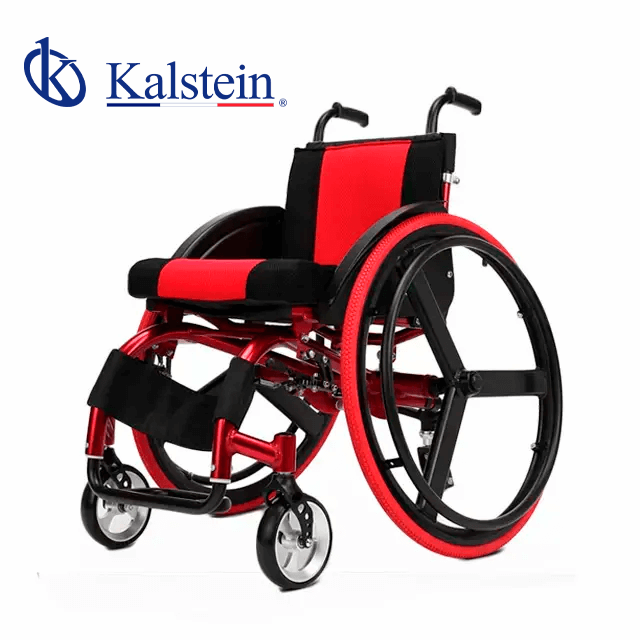
Energy Sustainability and Environmental Footprint Reduction in Sport Wheelchairs
The push towards energy sustainability and reducing environmental footprints is becoming a paramount concern across various sectors, including sports equipment manufacturing. In the realm of sport wheelchairs, this focus is critical as the industry seeks to innovate while minimizing its impact on the environment. This article delves into how sport wheelchairs are evolving to meet these demands and compares multiple models concerning their energy sustainability practices.
Understanding Energy Sustainability in Sport Wheelchairs
Energy sustainability refers to the efficient use of energy resources to provide long-term balance with minimal environmental impact. In the context of sport wheelchairs, manufacturers are adopting lightweight materials and energy-efficient designs to reduce the overall energy consumption during production and usage. The integration of eco-friendly materials and manufacturing processes plays a significant role in lowering the carbon footprint associated with sport wheelchairs.
Environmental Footprint Considerations
The environmental footprint of sport wheelchairs involves examining the lifecycle of the product, including raw material extraction, manufacturing processes, transportation, usage, and disposal. By focusing on recyclable materials, efficient manufacturing processes, and durable designs, manufacturers can significantly reduce the total environmental impact of sport wheelchairs. Key aspects include material selection, energy consumption during production, and end-of-life recyclability.
Comparison of Available Models
| Model | Weight (kg) | Material | Price (USD) | Best For |
|---|---|---|---|---|
| YR05461 | 14.5 | Magnesium Alloy | 413.00 | Lightweight maneuverability |
| YR05462 | 11.6 | Aviation Aluminum Alloy | 445.00 | Portability |
| YR05463 | 12 | High-density Aluminum | 615.00 | Durability and performance |
Common Mistakes and How to Avoid Them
One common mistake when selecting a sport wheelchair is focusing solely on aesthetics or initial cost rather than considering energy sustainability and environmental impact. Buyers should prioritize models with durable construction and low environmental footprints, such as the YR05462, which is made from aviation aluminum alloy, ensuring longevity and lower lifecycle costs. Additionally, not evaluating the weight and portability can lead to challenges in maneuverability and convenience.
Energy Consumption and Efficiency
The energy efficiency of sport wheelchairs can be evaluated by their weight, material, and design. Lightweight models typically require less energy to propel, making them more efficient in competitive scenarios. For example, the YR05461 features a magnesium alloy frame, promoting easier handling and reducing the physical effort required by the user. This not only enhances performance but also aligns with energy sustainability goals by minimizing energy expenditure during use.
Lifecycle Assessment of Sport Wheelchairs
Conducting a lifecycle assessment helps identify the environmental impacts associated with different models of sport wheelchairs. This method evaluates every stage of a product's life, from raw material extraction to manufacturing, usage, and disposal. By analyzing the YR05463 model, which incorporates high-density aluminum, manufacturers can gauge its durability and recyclability effectively. Such assessments are crucial for improving overall sustainability efforts.
Materials and Manufacturing Processes
Sport wheelchair manufacturers are increasingly adopting sustainable materials and processes. The use of aluminum and magnesium alloys reduces the weight of wheelchairs while maintaining strength, which is essential for athletic performance. The YR05462 model exemplifies this by utilizing aviation-grade aluminum, which not only decreases energy consumption during usage but also has a reduced environmental impact during production due to its efficient manufacturing process.
Impact of Design on Sustainability
Innovative designs can significantly enhance the sustainability of sport wheelchairs. Features such as foldable frames and quick-release wheels, present in models like the YR05462, contribute to lower energy consumption and ease of transport. Such designs also facilitate recycling at the end of the wheelchair's lifecycle, further reducing its overall environmental footprint.
Frequently Asked Questions
How do sport wheelchairs contribute to energy sustainability in 2026?
Sport wheelchairs contribute to energy sustainability by utilizing lightweight materials such as magnesium and aluminum alloys, which reduce energy requirements during use. Models like YR05461 and YR05462 are designed for easy mobility, minimizing the user's energy expenditure and promoting eco-friendly practices.
What are the environmental benefits of using lightweight sport wheelchairs?
Lightweight sport wheelchairs, such as the YR05463, offer environmental benefits by using less energy for movement, resulting in lower physical strain for the user. This design choice can lead to reduced carbon footprints during manufacturing and usage stages, supporting sustainability goals.
Which materials are most sustainable for sport wheelchair production?
High-density aluminum and magnesium alloys are among the most sustainable materials for sport wheelchairs. The YR05462 is crafted from aviation aluminum, which ensures durability and recyclability, minimizing environmental impact throughout its lifecycle.
What features should I look for in an eco-friendly sport wheelchair?
When selecting an eco-friendly sport wheelchair, look for lightweight materials, foldable designs, and quick-release components. The YR05461 offers a magnesium alloy frame with a compact design, promoting both performance and environmental sustainability.
How can the design of sport wheelchairs influence their environmental impact?
The design of sport wheelchairs influences their environmental impact by determining weight and material usage. Models like the YR05462 feature innovative designs that enhance portability and reduce energy consumption, aligning with sustainability objectives.
What sustainability certifications should sport wheelchairs have?
Sport wheelchairs should ideally have sustainability certifications such as ENERGY STAR or EPEAT, which indicate eco-friendly design and manufacturing practices. Ensuring compliance with these certifications can help buyers make informed decisions regarding energy efficiency.
How does the portability of sport wheelchairs affect their environmental footprint?
Portability directly influences the environmental footprint of sport wheelchairs by making transportation easier and more efficient. The YR05462’s quick-release wheels and compact design reduce the energy needed for transport, thereby minimizing carbon emissions associated with travel.
What is the average lifecycle of a sport wheelchair, and how does it impact sustainability?
The average lifecycle of a sport wheelchair is around 5-10 years, depending on materials and usage. Models like the YR05463, made from durable materials, can have a longer lifespan, reducing the need for frequent replacements and thus contributing to lower environmental impact.
If you are looking for a fusion of innovation and quality, you have come to the right place. At Kalstein, we offer you the luxury of exploring our exclusive catalog of laboratory equipment. We manufacture every device to the highest standards of excellence. Our intuitive and seamless online purchasing channels are designed for your convenience, securing the most competitive prices. Hesitate no longer — we bring science to life, it is time to become part of our community.