How to Enhance Energy Sustainability with Micro-Spectrophotometers
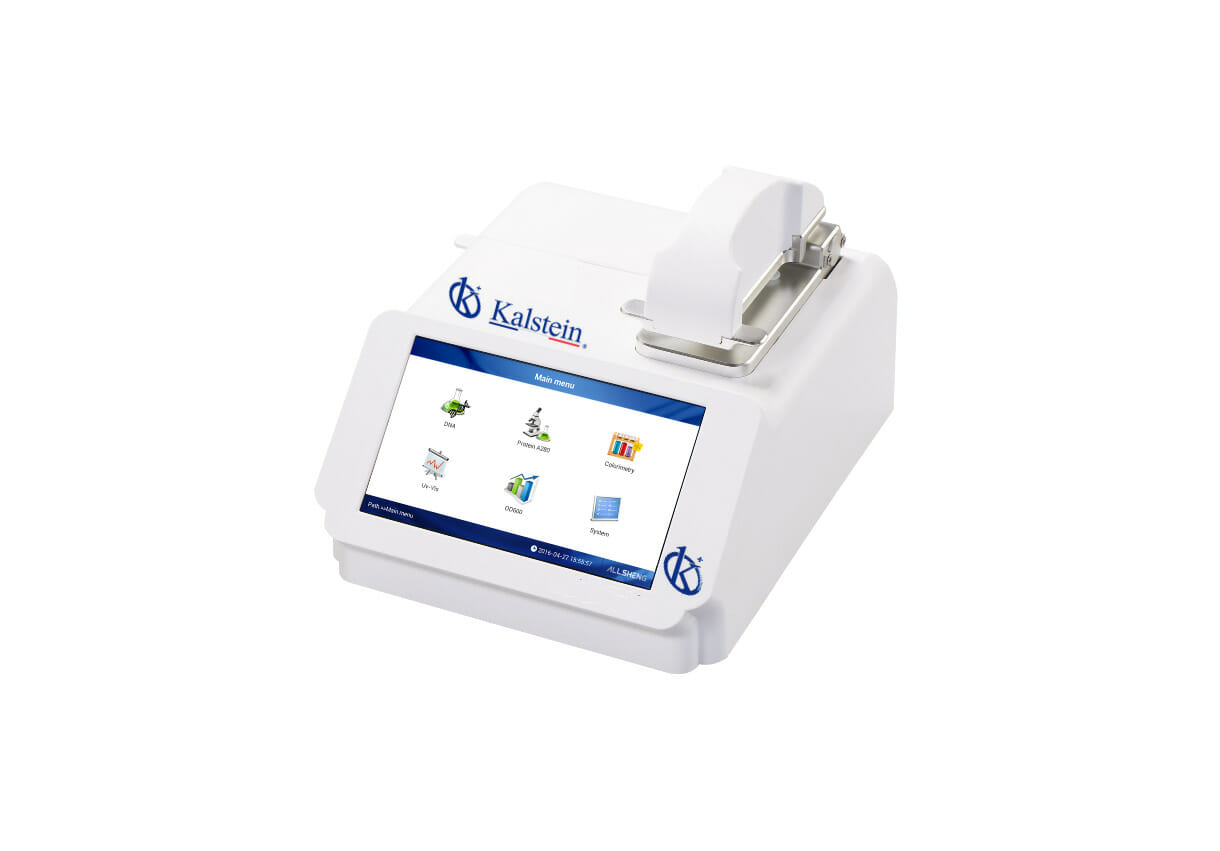
In recent years, the focus on energy sustainability and reducing the environmental footprint has become paramount for laboratories across the globe. Micro-spectrophotometers, as compact and efficient analytical instruments, play a vital role in achieving these sustainability goals. By minimizing sample size requirements and maximizing throughput, these devices not only enhance efficiency but also contribute to a more sustainable laboratory practice.
Understanding the Importance of Energy Sustainability in Laboratories
Laboratories are often significant consumers of energy, largely due to the extensive use of various analytical instruments, including spectrophotometers. Energy sustainability in labs involves adopting practices that reduce energy consumption and the overall carbon footprint. This is crucial not only for environmental conservation but also for reducing operational costs and enhancing compliance with regulatory standards.
Micro-spectrophotometers, such as the YR06033-1, YR06034, YR06035, and YR06033, stand out for their ability to operate efficiently with minimal sample volumes, which directly translates into less reagent use and energy consumption. By integrating these instruments into laboratory workflows, scientists can significantly contribute to energy sustainability efforts.
Key Features of Micro-Spectrophotometers that Promote Sustainability
Minimal Sample Volume Requirements
One of the defining characteristics of micro-spectrophotometers is their ability to analyze samples with volumes as low as 0.5 μl. For instance, the YR06034 model operates efficiently with just 1-2 μl of sample, which reduces the need for extensive reagent use. This feature not only conserves resources but also minimizes waste production, contributing to a more sustainable laboratory environment.
Energy Efficiency of Optical Components
Micro-spectrophotometers utilize advanced optical technologies that enhance their energy efficiency. Models like the YR06033-1 and YR06035 are equipped with high-quality xenon flash lamps and CCD detectors, resulting in lower power consumption compared to traditional spectrophotometers. This energy efficiency is crucial for laboratories aiming to reduce their carbon footprint while maintaining high analytical performance.
Compact Design for Enhanced Mobility
The compact design of micro-spectrophotometers facilitates easy relocation within laboratories, allowing for optimized workflows. This mobility can lead to better resource allocation, as seen with the YR06033, which features a lightweight construction that does not compromise on performance. In turn, this can lead to a reduction in energy consumption associated with heating/cooling of equipment in fixed locations.
Comparative Analysis of Available Models
| Model | Wavelength Range (nm) | Min. Sample Volume (μl) | Energy Consumption (W) | Best for |
|---|---|---|---|---|
| YR06033-1 | 200-800 | 0.5-2.0 | 80-100 | Nucleic acids, proteins analysis |
| YR06034 | 260, 280 | 1-2.0 | 24 | Basic nucleic acids measurement |
| YR06035 | 200-800 | 0.5-2.0 | 80-100 | Advanced nucleic acids and proteins |
| YR06033 | 190-1100 | 1 | 80-100 | Versatile analysis in various fields |
Common Mistakes and How to Avoid Them
As laboratories strive to enhance energy sustainability through the adoption of micro-spectrophotometers, certain pitfalls can hinder their efforts. Here are some common mistakes and strategies to avoid them:
- Overlooking Calibration: Regular calibration is essential for accurate results, particularly for instruments like the YR06035. Neglecting this can lead to increased sample retesting, thereby wasting time and resources.
- Ignoring Energy Consumption Metrics: Failing to monitor the energy consumption of devices can lead to higher operational costs. Use specifications like those of the YR06034 to make informed decisions about energy efficiency.
- Not Training Staff: Proper training on the use of micro-spectrophotometers ensures optimal performance and sustainability. Make sure all lab personnel are well-versed in the best practices for using models like the YR06033-1.
Frequently Asked Questions
What are the energy consumption levels of micro-spectrophotometers used in laboratories?
The energy consumption levels vary by model, with units like the YR06034 operating at approximately 24 W, while others like the YR06033-1, and YR06035 consume around 80-100 W. This makes them significantly more efficient compared to larger spectrophotometers.
How can the YR06035 help reduce environmental impact in labs?
The YR06035 reduces environmental impact by requiring as little as 0.5-2 μl of sample, minimizing reagent waste. Its energy-efficient design also contributes to lower electricity consumption, aligning with laboratory sustainability goals.
What is the role of sample volume in energy sustainability for micro-spectrophotometers?
Sample volume plays a critical role; lower volumes like those required by the YR06034 (1-2 μl) lead to reduced chemical usage and waste production, enhancing the overall sustainability of laboratory operations.
Which micro-spectrophotometer is best for measuring nucleic acids sustainably?
The YR06033-1 is an excellent choice for nucleic acid measurement due to its ability to operate with minimal sample volume while providing accurate readings, thus promoting energy sustainability in laboratory practices.
How do micro-spectrophotometers improve laboratory efficiency?
Micro-spectrophotometers improve efficiency by allowing rapid analysis of small sample volumes, which accelerates workflow processes. Models like the YR06035 enable faster results without the need for extensive sample preparations.
How can I ensure my laboratory complies with sustainability standards using micro-spectrophotometers?
To ensure compliance with sustainability standards, opt for models like the YR06034, which utilize energy-efficient technologies and require less reagents, thereby reducing your environmental impact while maintaining quality standards.
What is the initial investment cost for a sustainable micro-spectrophotometer?
Investment costs vary by model; for instance, the YR06034 is priced at $2520. This initial cost can be offset by the long-term savings achieved through reduced energy and reagent usage, supporting your lab's sustainability initiatives.
How do I choose the right micro-spectrophotometer for my laboratory's sustainability goals?
When choosing a micro-spectrophotometer, consider factors like sample volume, energy consumption, and the specific applications you require. Models such as the YR06035 combine efficiency and performance, making them ideal for sustainability goals.
If you are looking for a fusion of innovation and quality, you have come to the right place. At Kalstein, we offer you the luxury of exploring our exclusive catalog of laboratory equipment. We manufacture every device to the highest standards of excellence. Our intuitive and seamless online purchasing channels are designed for your convenience, securing the most competitive prices. Hesitate no longer — we bring science to life, it is time to become part of our community.