Enhancing Energy Sustainability and Reducing Environmental Footprint with Micro-Spectrophotometers
In today's laboratory environment, the spotlight increasingly shines on energy sustainability and the reduction of environmental footprints. Micro-spectrophotometers, instrumental tools in the analysis of nucleic acids and proteins, play a pivotal role in this movement. They not only enhance analytical precision but also align with sustainability initiatives through their low sample volume requirements and energy-efficient operations.
Understanding Micro-Spectrophotometers and Their Role in Sustainability
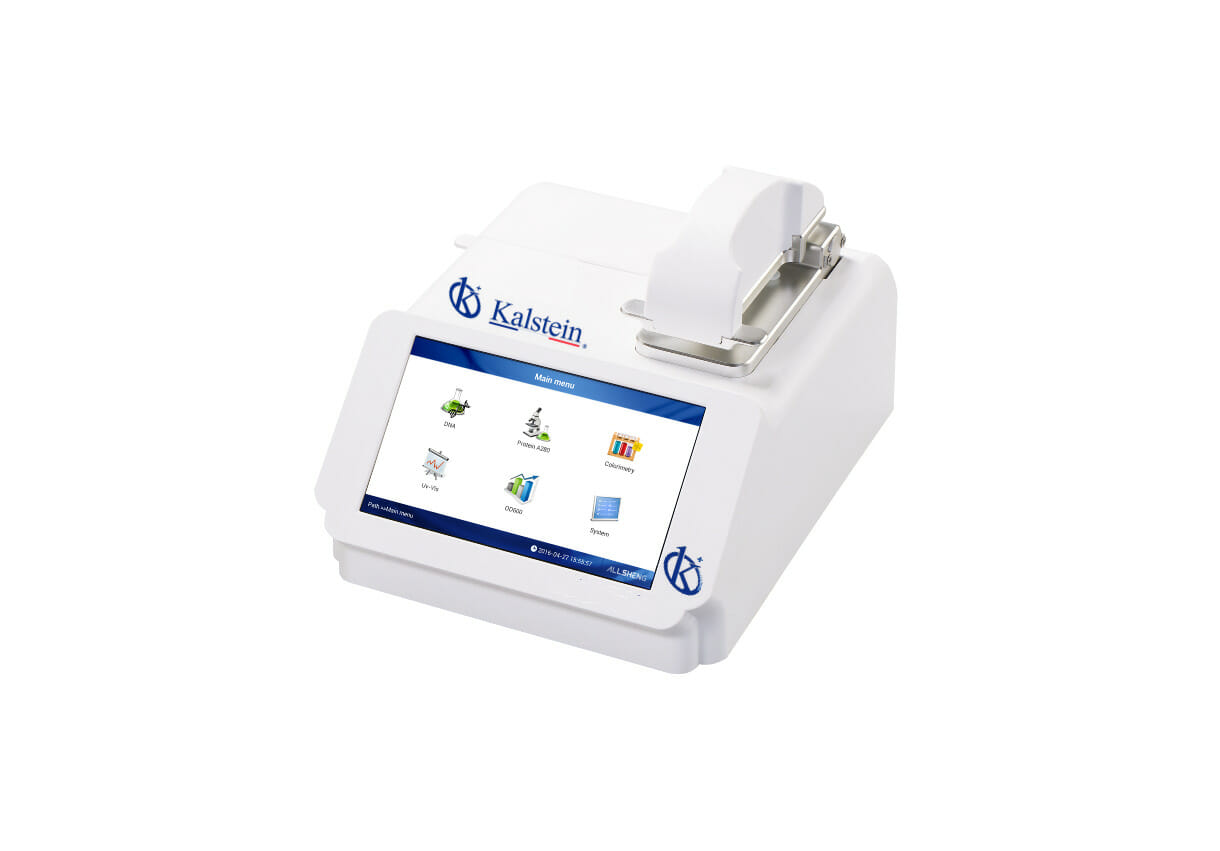
Micro-spectrophotometers are specialized devices designed for measuring the absorbance of small volumes, typically between 0.5 to 2 µl. Their compact design and advanced technology facilitate high-precision measurements critical for various applications, including nucleic acid quantification and protein analysis. Models like the YR06033-1 and YR06035 demonstrate significant strides in energy efficiency, requiring minimal sample volumes and using advanced light sources that reduce energy consumption.
Comparison of Available Models
| Model | Wavelength Range (nm) | Minimum Sample Volume (µl) | Price (USD) | Best Suited For |
|---|---|---|---|---|
| YR06033-1 | 200-800 | 0.5-2.0 | 5040.00 | Nucleic acids and proteins |
| YR06034 | 260, 280 | 1-2.0 | 2520.00 | Basic nucleic acid analysis |
| YR06035 | 200-800 | 0.5-2.0 | 6090.00 | Advanced applications in life sciences |
Energy Consumption and Sustainability Metrics
Evaluating energy consumption is crucial for laboratories aiming to enhance sustainability. Micro-spectrophotometers typically consume less energy compared to traditional spectrophotometers. For instance, the YR06033-1 has a low power consumption rate of 80-100W, significantly reducing the total energy footprint during operations. Implementing energy-efficient models can result in substantial cost savings over time.
Water and Reagent Consumption in Micro-Spectrophotometry
Minimizing reagent and water usage is another important factor in reducing a laboratory's environmental impact. Micro-spectrophotometers require negligible sample volumes, which translates to lower reagent consumption. For example, both the YR06034 and YR06035 models operate effectively with 1-2 µl of sample, markedly reducing waste compared to traditional methods requiring larger volumes.
Lifecycle Assessment of Micro-Spectrophotometers
Conducting a lifecycle assessment (LCA) allows laboratories to evaluate the environmental impact of equipment over its entire lifecycle. Micro-spectrophotometers, due to their compact size and energy-efficient operations, often present a lower environmental impact compared to larger, traditional spectrophotometers. The materials used in construction, such as aluminum and quartz fiber, also contribute to a reduced ecological footprint.
Common Mistakes and How to Avoid Them
Laboratories often overlook the importance of maintaining micro-spectrophotometers for optimal energy efficiency. Regular calibration and maintenance ensure devices operate at peak performance, minimizing energy waste. Additionally, not utilizing the full capabilities of these instruments can lead to underutilization and increased environmental impact. Training staff on proper usage and maintenance protocols is essential.
Frequently Asked Questions
How do micro-spectrophotometers reduce energy consumption in laboratories?
Micro-spectrophotometers, such as the YR06033-1, significantly reduce energy consumption by requiring minimal sample sizes and utilizing efficient light sources. Their low power consumption, ranging from 80-100W, ensures that labs can operate sustainably while achieving high-precision measurements.
What are the environmental benefits of using micro-spectrophotometers?
Using micro-spectrophotometers like the YR06034 leads to reduced reagent and sample waste, supporting laboratory sustainability goals. Their compact design and low energy consumption minimize the overall environmental footprint, aligning with modern ecological standards.
Which micro-spectrophotometer is best for reducing laboratory waste?
The YR06035 is ideal for reducing laboratory waste, requiring only 0.5-2 µl of sample for measurements. This model's efficiency in sample utilization directly translates to lower reagent and consumable waste, promoting sustainable laboratory practices.
How can lifecycle assessments improve micro-spectrophotometer selection?
Lifecycle assessments provide insights into the environmental impact of equipment like micro-spectrophotometers. By evaluating models such as the YR06033-1 and considering their energy consumption and materials, laboratories can choose options that align with sustainability goals and reduce overall ecological footprints.
What role do micro-spectrophotometers play in energy-efficient research?
Micro-spectrophotometers facilitate energy-efficient research by delivering rapid results with minimal energy input. The YR06034's quick measurement times and low power consumption make it a valuable tool for researchers aiming to minimize environmental impacts while maximizing productivity.
What is the expected ROI from investing in energy-efficient micro-spectrophotometers?
Investing in energy-efficient micro-spectrophotometers, like the YR06035, can yield significant ROI through savings in energy costs and reduced reagent waste. Over time, laboratories can expect lower operational costs and enhanced sustainability, benefiting both the environment and the bottom line.
How do I ensure proper maintenance of micro-spectrophotometers for sustainability?
Proper maintenance of micro-spectrophotometers involves regular calibration and cleaning, ensuring optimal performance. Training staff on best practices and utilizing built-in diagnostics in models like the YR06033-1 can help maintain efficiency and support sustainability efforts in the laboratory.
What are the best practices for reducing energy use in laboratories using micro-spectrophotometers?
Best practices include selecting energy-efficient models, properly maintaining equipment, and optimizing protocols to minimize run times. For example, the YR06034 operates quickly and efficiently, allowing labs to conserve energy while ensuring accurate analyses.
If you are looking for a fusion of innovation and quality, you have come to the right place. At Kalstein, we offer you the luxury of exploring our exclusive catalog of laboratory equipment. We manufacture every device to the highest standards of excellence. Our intuitive and seamless online purchasing channels are designed for your convenience, securing the most competitive prices. Hesitate no longer — we bring science to life, it is time to become part of our community.