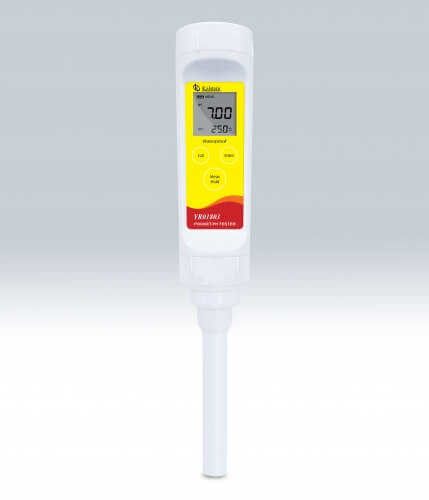
How Energy Sustainability Affects the Choice of Portable pH Meters
As laboratory professionals increasingly prioritize energy sustainability, it becomes crucial to analyze how this focus influences the selection of portable pH meters. Portable pH meters play an essential role in various applications ranging from environmental monitoring to food safety testing. This article will delve into how energy efficiency, reduced environmental footprint, and overall sustainability affect the decision-making process when selecting portable pH meters.
Understanding Energy Sustainability in Laboratory Equipment
Energy sustainability refers to practices that minimize energy consumption while maximizing efficiency, thus reducing the environmental impact of laboratory operations. The choice of laboratory equipment, including portable pH meters, plays a significant role in achieving these goals. When evaluating portable pH meters, professionals should consider features such as battery life, energy-efficient designs, and eco-friendly materials.
Key Features Affecting Sustainability in Portable pH Meters
Several critical features of portable pH meters must be analyzed through the lens of energy sustainability:
- Battery Efficiency: Longer battery life reduces waste and energy consumption, allowing for more extended use without frequent replacements.
- Calibration Options: Models that offer automatic calibration can save time and energy during use, promoting efficient operation.
- Material Selection: Eco-friendly materials contribute to lower environmental impact, both in production and disposal.
Impact of Battery Life on Sustainability
The battery life of a portable pH meter significantly affects its sustainability. Models like the Pocket pH Meter YR01804, with efficient power management, can last up to 200 hours on standard batteries, reducing the frequency of battery disposal. This durability not only saves resources but also minimizes e-waste, aligning with sustainable laboratory practices.
Comparative Analysis of Portable pH Meters
When choosing portable pH meters, it is essential to compare available models based on sustainability metrics. Below is a table outlining various models, their key specifications, and their energy efficiency features:
| Model | pH Range | Calibration Points | Battery Life (Hours) | Price (USD) |
|---|---|---|---|---|
| YR01800 | -1.00 to 15.00 | 1-3 | 200 | 18.00 |
| YR01802 | -1.00 to 15.00 | 1-3 | 150 | 94.00 |
| YR01804 | -1.00 to 15.00 | 1-3 | 200 | 75.00 |
How Calibration Impacts Sustainability
Calibration is a critical aspect of using portable pH meters effectively. Models like the Pocket pH Meter YR01803 provide 1 to 3 points of calibration with automatic recognition, ensuring accurate readings. This reduces the need for frequent calibrations, thereby saving both time and resources, contributing to sustainability efforts in the lab.
Common Mistakes and How to Avoid Them
When selecting portable pH meters, professionals may encounter several common mistakes that can hinder sustainability efforts:
- Neglecting Battery Efficiency: Always check for models with efficient battery life to minimize waste.
- Overlooking Material Sustainability: Consider the materials used in the device's construction for a lower environmental impact.
- Ignoring Calibration Needs: Choose meters that require less frequent calibration to promote efficiency.
Frequently Asked Questions
How do portable pH meters contribute to energy sustainability in laboratories?
Portable pH meters, such as the YR01804, play a significant role in energy sustainability by utilizing energy-efficient designs and extended battery life, reducing frequency of battery replacement and waste.
Which features should I prioritize in portable pH meters for environmental impact?
When selecting portable pH meters, consider features that enhance energy efficiency, such as long battery life and eco-friendly materials like those found in the YR01800 model.
What are the benefits of choosing a portable pH meter with automatic calibration?
Models like the YR01803 with automatic calibration save time and reduce energy consumption during operation, contributing to a more sustainable lab environment.
How can I assess the energy efficiency of different portable pH meters?
Energy efficiency can be assessed by examining battery life, operating temperature range, and calibration options, as seen in the comparative table of the portable pH meter models.
Which portable pH meter is best for reducing waste in a laboratory setting?
The Pocket pH Meter YR01804, with its long battery life and efficient calibration process, is a solid choice for laboratories aiming to reduce waste and enhance sustainability.
How does the choice of materials in portable pH meters affect sustainability?
Using eco-friendly materials in portable pH meters, such as those in the YR01802, can significantly lower environmental impact during production and disposal.
What role does battery longevity play in the overall sustainability of lab equipment?
Battery longevity, as showcased by the YR01800 model, minimizes resource depletion and waste, playing a crucial role in the sustainability of laboratory equipment.
Where can I find the most energy-efficient portable pH meters for my lab?
Look for brands that emphasize energy sustainability in their design and selection, with models like the YR01804 leading the way in efficiency and performance.
If you are looking for a fusion of innovation and quality, you have come to the right place. At Kalstein, we offer you the luxury of exploring our exclusive catalog of laboratory equipment. We manufacture every device to the highest standards of excellence. Our intuitive and seamless online purchasing channels are designed for your convenience, securing the most competitive prices. Hesitate no longer — we bring science to life, it is time to become part of our community.