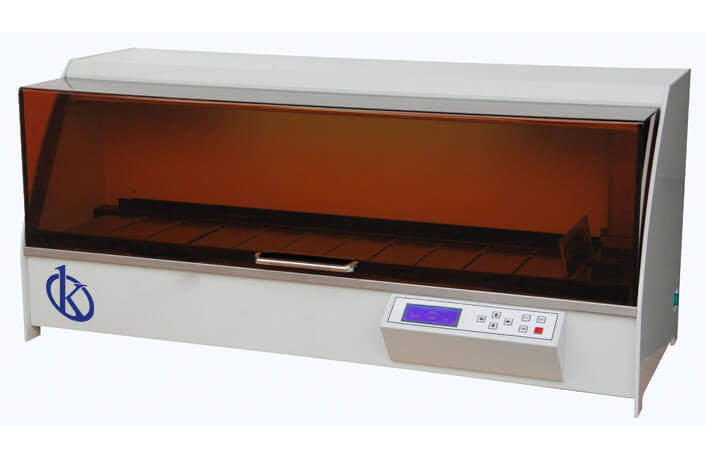
How to Achieve Energy Sustainability and Reduce Environmental Footprint in Tissue Processors?
The demand for energy sustainability and reducing environmental footprints is increasingly becoming vital in laboratory settings, especially for tissue processors. As laboratories strive for efficiency and compliance with eco-friendly practices, understanding the specifics of each model's contribution can provide a roadmap towards greener operations. This article will explore various models of tissue processors, their energy efficiency, and how they help reduce the environmental impact while maintaining laboratory effectiveness.
Understanding Energy Sustainability in Tissue Processors
Energy sustainability in laboratory equipment, particularly tissue processors, refers to designing and operating devices that minimize energy consumption while maximizing output efficiency. This involves using advanced technologies that reduce energy usage per process, ensuring compliance with international environmental standards. Tissue processors play a crucial role in histology by enabling consistent sample processing. However, their operation can be resource-intensive, making energy sustainability a significant concern.
Impact of Tissue Processors on Environmental Footprint
The environmental footprint of tissue processors encompasses the resources consumed during their operation, including energy, water, and reagents. Modern processors are increasingly designed with features that limit waste, reduce energy consumption, and promote sustainable practices. Features such as adjustable processing times and energy-efficient heating mechanisms can significantly impact the overall environmental footprint of laboratory operations.
Comparison of Available Models
| Model | Price (USD) | Energy Efficiency Features | Best For |
|---|---|---|---|
| YR431-1 | 11000.00 | Adjustable dripping time, extended processing options | Medium to large laboratories requiring high throughput |
| YR436-2 | 4400.00 | Compact design, low energy consumption | Small laboratories with limited space |
| YR427 | 2600.00 | Economical design, space-saving features | Budget-conscious labs needing efficient processing |
| YR428 | 2900.00 | Automatic heating control, energy-saving mechanisms | Small labs focusing on quality and efficiency |
| YR429 | 3300.00 | Modular design, reduced energy waste | Medium labs needing a balance of capacity and cost |
Key Features Contributing to Energy Sustainability
Adjustable Processing Parameters
Many modern tissue processors, such as the YR431-1 and YR429, offer adjustable processing parameters that allow laboratories to tailor operations to specific needs. By optimizing the time and conditions for each sample, labs can significantly reduce energy waste during operations. For example, the YR431-1 provides flexible processing times, enabling users to minimize unnecessary energy use.
Efficient Heating Mechanisms
Heating mechanisms are critical in tissue processing, often consuming substantial energy. Models like the YR428 feature automatic dry heating controls that activate only when necessary, conserving energy and reducing costs. This functionality can greatly enhance energy efficiency, making the YR428 an excellent choice for labs striving for sustainability.
Common Mistakes and How to Avoid Them
When aiming for energy sustainability in tissue processing, laboratories often make common mistakes. One significant error is failing to regularly evaluate energy consumption and output efficiency. Regular audits can identify areas of improvement. Furthermore, neglecting the importance of staff training on the optimal use of equipment can lead to energy inefficiencies. Ensuring staff are educated on how to effectively operate and maintain tissue processors, like the YR427, can lead to substantial savings in resources.
Strategies for Reducing Energy Footprint
Implementing Energy Audits
Regular energy audits can help laboratories assess their energy consumption and identify areas for improvement. Utilizing models that provide energy consumption metrics, such as the YR429, can aid in tracking usage and implementing changes that lead to greater efficiency and reduced environmental impact.
Optimal Scheduling of Processes
Scheduling processes during off-peak hours can also lead to energy savings. For example, utilizing the YR431-1's adjustable processing times allows labs to stagger operations to avoid high energy costs during peak usage times. This proactive approach can significantly lower operational costs and improve sustainability.
Frequently Asked Questions
What are the energy-saving features of the YR431-1 tissue processor?
The YR431-1 tissue processor features adjustable dripping time and processing durations, optimizing energy consumption during operations. This model allows for tailored processing, reducing unnecessary energy use while maintaining high throughput.
How can the YR428 help reduce environmental impact in labs?
The YR428 offers automatic heating controls that activate based on processing needs, conserving energy and lowering operational costs. This model is ideal for labs focused on improving their environmental footprint.
What is the average energy consumption of tissue processors like the YR427?
The YR427 operates at a standard energy consumption rate of 500W, making it a low-cost option for labs looking for energy-efficient solutions. Its economical design also aids in minimizing overall energy expenditure.
How does the design of the YR436-2 contribute to sustainability?
The compact design of the YR436-2 not only saves space but also ensures lower energy consumption in smaller laboratories. This model is perfect for labs prioritizing sustainability without sacrificing performance.
What are the key benefits of using multiple processing programs in the YR429?
The YR429 allows for 20 editable programs to suit various processing needs, enhancing efficiency and minimizing energy waste by adapting to specific sample requirements, thus promoting sustainable practices.
How does regular maintenance affect the sustainability of tissue processors?
Regular maintenance ensures that models like the YR431-1 operate efficiently, preventing energy waste due to malfunctioning components. Proper upkeep is essential for sustaining energy efficiency and reducing the environmental footprint.
What role does user training play in energy efficiency for tissue processors?
User training is crucial in optimizing the use of tissue processors such as the YR428. Educated staff can operate the machines more efficiently, leading to lower energy consumption and a reduced environmental impact.
How can laboratories track their energy use with tissue processors?
Laboratories can track energy use by utilizing tissue processors equipped with monitoring features. Models like the YR429 help in evaluating energy consumption metrics, facilitating better energy management and sustainability practices.
If you are looking for a fusion of innovation and quality, you have come to the right place. At Kalstein, we offer you the luxury of exploring our exclusive catalog of laboratory equipment. We manufacture every device to the highest standards of excellence. Our intuitive and seamless online purchasing channels are designed for your convenience, securing the most competitive prices. Hesitate no longer — we bring science to life, it is time to become part of our community.