How to Enhance Energy Sustainability and Reduce Environmental Footprint with Biochemical BOD Incubators
In an era where sustainability is paramount, laboratories are increasingly focusing on energy efficiency and reducing their environmental footprints. Biochemical BOD incubators play a critical role in this transition, offering precise temperature control for various laboratory applications while minimizing energy consumption. This article delves into the features and advantages of different models within this subcategory, exploring how they contribute to sustainability practices and environmental responsibility.
Understanding the Role of Biochemical BOD Incubators in Energy Sustainability
Biochemical BOD incubators are essential for various applications, including biochemical oxygen demand tests, sample preservation, and DNA amplification. Their design and technology directly impact their energy usage and overall sustainability. By utilizing advanced semiconductor technology, many models offer rapid temperature changes and precise control, which are critical for minimizing energy consumption during laboratory processes.
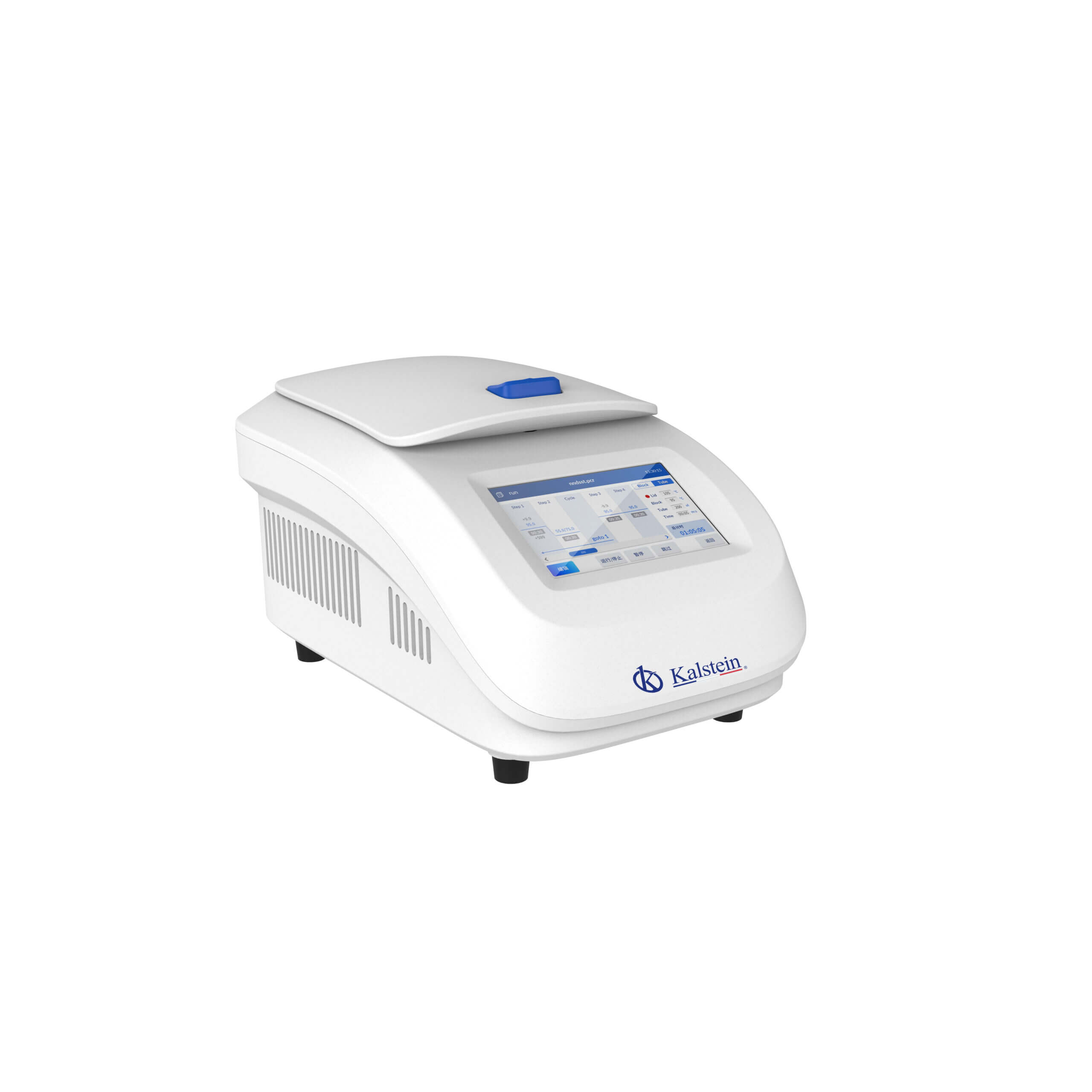
For example, the YR05889 Heated Lid Dry Bath Incubator is designed with Peltier-based technology, allowing for efficient heating and cooling, ultimately reducing energy wastage. Additionally, its compact design enables easier deployment in tight laboratory settings, demonstrating that sustainability can go hand-in-hand with high performance.
Key Features Impacting Energy Efficiency
When selecting a biochemical BOD incubator, several key features can enhance energy efficiency:
- Temperature Control: Models with precise temperature controls, such as the YR05890, allow for less energy consumption by maintaining optimal conditions without excessive heating or cooling.
- Size and Design: Compact incubators like the YR05891 Mini Dry Bath Incubator are ideal for environments with limited space, thus reducing the overall energy footprint of the laboratory.
- Smart Technology: Integrating technology that allows for automatic shut-off and energy monitoring can further reduce energy consumption during idle periods.
Comparison of Available Models
| Model | Temperature Range | Heating Speed | Power Consumption (W) | Best Use Case |
|---|---|---|---|---|
| YR05889 | R.T. -25℃ to 100℃ | >7℃/min | 200W | Sample preservation and PCR amplification |
| YR05890 | R.T. +5℃ to 100℃ | >7℃/min | 250W | Sample reactions and DNA amplification |
| YR05891 | R.T. +5℃ to 100℃ | <=15m to 100℃ | 48W | Rapid inspection kits and small labs |
| YR05892 | R.T. +5℃ to 100℃ | <=15m to 100℃ | 60W | Field applications and quick testing |
| YR05893 | R.T. +5℃ to 100℃ | <=15m to 100℃ | 120W | Compact lab setups and mobile testing |
| YR05894 | R.T. +5℃ to 105℃ | <=10m to 100℃ | 150W | General sample preparation and quality control |
Common Mistakes and How to Avoid Them
When implementing biochemical BOD incubators, laboratories often encounter pitfalls that can hinder energy efficiency and effectiveness. Here are common mistakes and tips to avoid them:
- Neglecting Maintenance: Regular maintenance is crucial to ensure that the temperature accuracy is maintained. Schedule periodic checks for models like the YR05890 to ensure it operates efficiently.
- Overloading the Incubator: Each model has a specified capacity that should not be exceeded. Overloading can lead to inconsistent temperatures and higher energy use.
- Ignoring Energy Settings: Not utilizing energy-saving features can lead to unnecessary energy consumption. Familiarize yourself with the settings of your incubator, such as those in the YR05891.
How Biochemical BOD Incubators Contribute to Reducing Environmental Footprint
The adoption of biochemical BOD incubators can significantly contribute to reducing a laboratory's environmental impact. Here are several ways they can help:
- Lower Energy Consumption: Models such as YR05894 are designed to consume less energy than traditional incubators, making them a greener choice.
- Minimized Reagent Waste: Precise temperature control means fewer failed experiments, which leads to reduced reagent waste.
- Improved Lifecycle Assessment: Modern incubators have longer lifespans and better materials, leading to less electronic waste.
Frequently Asked Questions
How do biochemical BOD incubators contribute to energy sustainability in laboratories?
Biochemical BOD incubators like the YR05889 utilize advanced temperature control technology that reduces energy consumption. By maintaining optimal conditions with less energy input, they enhance energy sustainability in laboratory operations.
What are the key energy-saving features in the YR05890 incubator?
The YR05890 features precise temperature control and a compact design that minimizes energy waste. Its ability to heat and cool efficiently allows for optimal energy use during various laboratory applications.
Which biochemical BOD incubator is best for small laboratory environments?
The YR05891 Mini Dry Bath Incubator is ideal for small labs due to its compact design and energy-efficient operation. With a maximum power consumption of 48W, it is well-suited for limited spaces.
How can I extend the lifespan of my biochemical BOD incubator?
Regular maintenance, proper calibration, and avoiding overloading can significantly extend the lifespan of incubators like the YR05894. Following the manufacturer’s guidelines ensures optimal performance and longevity.
What impact do biochemical BOD incubators have on reagent waste?
Using incubators like the YR05890 with precise temperature control can lead to fewer experimental failures, thereby minimizing reagent waste and enhancing overall laboratory sustainability.
How can I integrate a biochemical BOD incubator into a sustainability program?
Integrating incubators such as the YR05893 into a sustainability program involves monitoring energy consumption, utilizing energy-saving settings, and training staff on best practices to reduce environmental impacts.
What is the energy consumption comparison between the YR05892 and other models?
The YR05892 consumes 60W, making it efficient compared to traditional models. Its design helps reduce overall energy usage, which is crucial for sustainability efforts in laboratories.
Conclusion
Biochemical BOD incubators are instrumental in enhancing energy sustainability and reducing the environmental footprint of laboratory operations. By selecting models equipped with advanced technology and energy-efficient designs, laboratories can not only improve their operational efficiency but also contribute to broader sustainability goals. Consider the specifications and features of models like the YR05889, YR05890, and YR05891 when making your next purchase.
If you are looking for a fusion of innovation and quality, you have come to the right place. At Kalstein, we offer you the luxury of exploring our exclusive catalog of laboratory equipment. We manufacture every device to the highest standards of excellence. Our intuitive and seamless online purchasing channels are designed for your convenience, securing the most competitive prices. Hesitate no longer — we bring science to life, it is time to become part of our community.