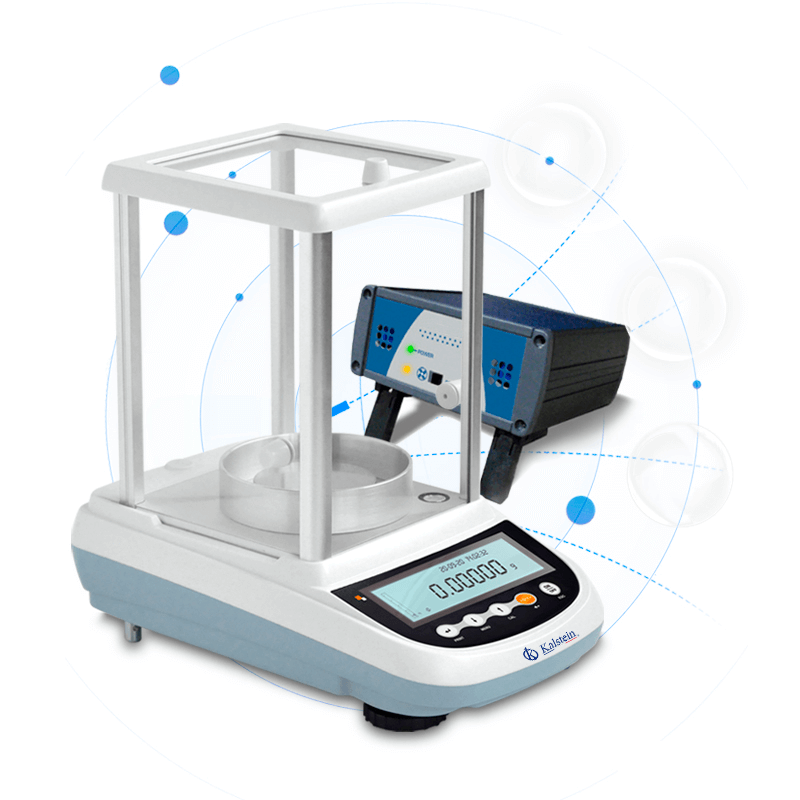
How to Optimize Energy Sustainability and Reduce Environmental Footprint with Semimicro Balances
Sustainability and environmental stewardship have become essential objectives for laboratories globally. Energy efficiency and minimizing the environmental footprint are critical elements to achieving these objectives. Semimicro balances, known for their precision and versatility, play a significant role in this eco-conscious paradigm. This article will delve into how these laboratory instruments contribute to energy sustainability and explore different models available in the market.
Understanding the Role of Semimicro Balances in Energy Sustainability
Semimicro balances are designed for highly precise measurements, with capacities generally ranging from 62g to 202g, and resolutions as fine as 0.01 mg. Their accuracy is crucial for various applications, including pharmaceuticals, chemical analysis, and academic research. By optimizing their use, laboratories can achieve significant reductions in energy consumption.
Energy sustainability in laboratory settings can be enhanced by ensuring proper calibration and maintenance of these balances. Regular servicing prevents operational inefficiencies that may lead to increased energy usage. Additionally, utilizing their features such as internal calibration and adjustable sensitivity can lead to lower energy expenditure during routine tasks.
Key Features Contributing to Environmental Footprint Reduction
Many semimicro balances come equipped with features that help labs minimize their environmental impact. For instance, models such as the YR05562 and YR05563 provide built-in functions for unit conversion and density measurement, which reduce the need for additional instruments, thereby lowering both energy and material consumption.
Moreover, the ability to store up to 99 recipes in these balances facilitates streamlined workflows, resulting in reduced operational time and consequently, energy usage. By replacing multiple devices with one efficient balance, laboratories can reduce their overall energy footprint.
Comparative Analysis of Semimicro Balance Models
The following table compares various models of semimicro balances with respect to their specifications and features that support energy sustainability:
| Model | Capacity (g) | Resolution (g) | Minimum Weight (g) | Price (USD) | Best For |
|---|---|---|---|---|---|
| YR05562 | 62g/120g | 0.01 mg/0.1 mg | 60 mg | 1200.00 | General laboratory use |
| YR05563 | 82g/220g | 0.01 mg | 100 mg | 1350.00 | Pharmaceutical applications |
| YR05564 | 102g/220g | 0.01 mg | 100 mg | 1550.00 | Chemical analysis |
| YR05565 | 122g | 0.01 mg | 100 mg | 1575.00 | Academic research |
| YR05566 | 162g | 0.01 mg | 100 mg | 1650.00 | Environmental studies |
| YR05567 | 202g | 0.01 mg | 100 mg | 1925.00 | Advanced laboratory use |
Common Mistakes and How to Avoid Them
When utilizing semimicro balances, laboratories often make several common mistakes that can negate energy efficiency efforts. One prevalent error is neglecting regular calibration, which can lead to inaccurate results, requiring additional measurements and ultimately wasting energy.
Another mistake is the improper use of the balance's functions, such as failing to leverage the built-in recipe storage. By not utilizing these features, users may engage in redundant processes that consume unnecessary energy. Training staff to maximize the balance's capabilities is essential for enhancing energy sustainability.
Optimizing Calibration and Maintenance for Energy Efficiency
Calibration plays a vital role in ensuring the performance and efficiency of semimicro balances. Regular calibration checks should be scheduled based on the frequency of use and the operational environment. For example, the YR05566 model can operate effectively in environments with a temperature range of 5-25°C, 20-80% humidity, ensuring accuracy and efficiency.
Additionally, preventive maintenance should include cleaning the balance and ensuring that it is free from vibrations and drafts. Implementing a calibration schedule according to manufacturer recommendations can significantly reduce energy wastage and improve accuracy.
Implementing Best Practices for Reducing Environmental Impact
To minimize environmental impact, laboratories can adopt several best practices when using semimicro balances. For instance, reducing the frequency of use of auxiliary equipment needed for weighing can lower energy consumption. This can be achieved by utilizing the multifunctional capabilities of models like the YR05563, which combines several features in one device.
Moreover, encouraging users to adopt digital logging instead of paper documentation reduces paper waste, contributing to a smaller environmental footprint. Continuous training on energy-efficient practices is imperative for fostering a culture of sustainability within the lab.
Frequently Asked Questions
How can semimicro balances help reduce energy consumption in labs?
Semimicro balances, such as the YR05562 and YR05563, help reduce energy consumption by providing accurate measurements that eliminate the need for multiple weighing devices, streamlining workflows and saving energy over time.
What are the key features of semimicro balances for sustainability?
Features such as internal calibration, recipe storage, and low power consumption in models like YR05564 and YR05565 are key to enhancing sustainability by reducing energy usage and improving workflow efficiency.
Which semimicro balance model is best for minimizing environmental impact in labs?
The YR05567 model is particularly effective in minimizing environmental impact due to its high capacity, precision, and multifunctional features that reduce the need for additional equipment.
How does calibration affect the energy efficiency of semimicro balances?
Calibration, particularly in models like the YR05566, ensures accuracy in measurements, preventing energy wastage through redundant processes caused by inaccurate results, thus increasing overall efficiency.
What best practices can be used to enhance energy sustainability with semimicro balances?
Best practices include regular maintenance and calibration, utilizing multifunctional features, and adopting digital documentation, which can significantly enhance energy sustainability and reduce the laboratory's environmental footprint.
How often should semimicro balances be calibrated for optimal performance?
Calibration should be performed regularly, ideally monthly or according to usage patterns, especially for models like YR05563, to maintain optimal performance and energy efficiency in laboratory settings.
What is the average lifespan of a semimicro balance in a laboratory setting?
The average lifespan of a semimicro balance, such as the YR05565, can range from 5 to 10 years, depending on usage and maintenance practices, which ultimately affect energy efficiency over its lifespan.
How do semimicro balances contribute to regulatory compliance in labs?
Models like YR05564 adhere to ISO compliance standards, ensuring that laboratories meet necessary regulations while also optimizing energy use and reducing their environmental impact through precise measurements.
If you are looking for a fusion of innovation and quality, you have come to the right place. At Kalstein, we offer you the luxury of exploring our exclusive catalog of laboratory equipment. We manufacture every device to the highest standards of excellence. Our intuitive and seamless online purchasing channels are designed for your convenience, securing the most competitive prices. Hesitate no longer — we bring science to life, it is time to become part of our community.