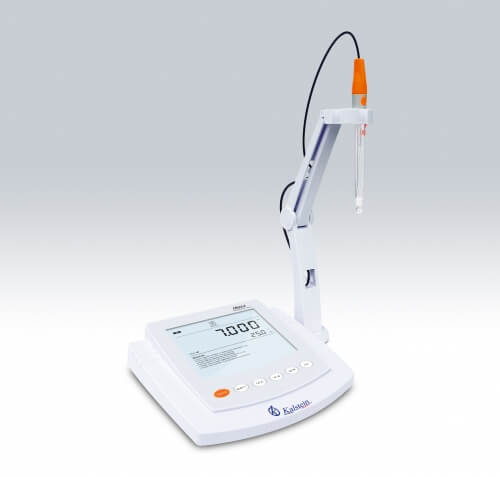
How Energy Sustainability is Enhanced by Table Conductivity Controllers
As laboratories strive for greater energy sustainability and reduced environmental impact, table conductivity controllers have emerged as pivotal instruments in achieving these goals. These devices not only facilitate precise measurements of conductivity but also play a significant role in energy conservation strategies. By understanding the various models available and how they contribute to energy efficiency, laboratory professionals can make informed decisions that align with sustainability objectives.
Understanding the Role of Table Conductivity Controllers in Energy Sustainability
The importance of table conductivity controllers goes beyond mere functionality in terms of measuring conductivity. These tools can significantly influence a laboratory's energy footprint. By utilizing devices equipped with advanced features such as automatic temperature compensation (ATC) and multiple calibration points, laboratories can minimize reagent waste and energy consumption. This not only improves accuracy but also enhances the overall sustainability of laboratory operations.
Comparison of Available Models
| Model | Price (USD) | Key Features | Best For |
|---|---|---|---|
| YR01836-1 | 355.00 | Large LCD, 12 measurement options, automatic calibration | Comprehensive laboratory testing |
| YR01836 | 199.00 | 5-inch LCD, USB interfaces, automatic features | Routine laboratory analysis |
| YR01829-1 | 160.00 | Classic design, 1-3 point calibration, accuracy 1% | Daily tests and controls |
| YR01829-2 | 235.00 | Similar to YR01829-1, multiple calibration points | Routine monitoring |
| YR01829 | 285.00 | Touchscreen, wireless printing, data storage | High-tech laboratories |
| YR01828 | 232.00 | Color touchscreen, advanced calibration options | Specialized testing |
Key Features That Enhance Energy Efficiency
Table conductivity controllers offer various features that enhance energy efficiency. For instance, devices like the YR01836-1 include an automatic calibration function, reducing the need for frequent manual adjustments that can consume additional energy. Furthermore, models such as the YR01829 incorporate automatic temperature compensation, which ensures that temperature variations do not lead to inaccurate readings, thus saving energy that would otherwise be spent on correcting errors.
Contributions to Reduced Reagent Waste
Reagent waste is a significant concern for laboratories aiming to lower their environmental footprint. By utilizing conductivity meters with intelligent features, such as the YR01836, laboratories can optimize their reagent usage. This model’s capacity for 1 to 5 point calibrations with automatic buffer recognition aids in accurate measurements, allowing labs to avoid excess reagent use and thereby reducing hazardous waste.
Lifecycle Assessment of Table Conductivity Controllers
The lifecycle assessment (LCA) of table conductivity controllers is critical in understanding their overall environmental impact. It encompasses the manufacturing, usage, and disposal phases. Models like the YR01829, designed for durability and efficiency, help in minimizing their lifecycle carbon footprint. Choosing controllers that support longer lifespans and offer energy-saving functionalities can be a pivotal strategy in a lab's sustainability plan.
Strategies to Minimize Energy Consumption in Laboratories
Minimizing energy consumption is not solely about choosing efficient devices; it also involves operational strategies. Implementing practices such as routine maintenance of table conductivity controllers can prevent energy waste due to malfunctioning devices. Additionally, ensuring that devices like the YR01836-1 are used optimally, with a focus on minimizing idle time, can significantly contribute to energy savings.
Common Mistakes and How to Avoid Them
Laboratory professionals often overlook the importance of regular calibration and maintenance of their conductivity controllers, which can lead to inaccuracies and higher energy use. Failing to utilize features such as ATC in devices like the YR01829 can also result in inefficient operations. To avoid these pitfalls, labs should establish standard operating procedures (SOPs) that emphasize the significance of calibration and proper use of energy-efficient features.
Frequently Asked Questions
How can table conductivity controllers contribute to energy efficiency in laboratories?
Table conductivity controllers, such as the YR01836-1, enhance energy efficiency through features like automatic calibration and temperature compensation, minimizing reagent waste and energy consumption.
What are the key features of energy-efficient table conductivity controllers?
Energy-efficient table conductivity controllers, like the YR01829, often have features such as automatic calibration, temperature compensation, and digital readouts that help reduce consumption and waste.
Which model of table conductivity controller is best for minimizing environmental impact?
The YR01836-1 is highly recommended for minimizing environmental impact due to its automatic calibration and broad measurement capabilities, which enhance accuracy and reduce waste.
How much energy can be saved using modern table conductivity controllers?
Modern models like the YR01829 can significantly reduce energy usage by optimizing calibration processes and ensuring accurate measurements, thus saving both time and resources in laboratory settings.
What lifecycle considerations should be made for table conductivity controllers?
When assessing lifecycle impacts, consider models such as the YR01828 that are designed for longevity and energy efficiency, thus contributing to lower environmental footprints throughout their use.
How often should table conductivity controllers be calibrated to ensure energy efficiency?
For optimal energy efficiency, devices like the YR01836 should be calibrated regularly, ideally following the manufacturer's recommendations, to maintain accuracy and prevent excess energy use.
What operational strategies can enhance the sustainability of table conductivity controllers?
Implementing routine maintenance and proper use of features like ATC in models such as the YR01829 can enhance sustainability by minimizing reagent waste and energy consumption.
How do table conductivity controllers assist in compliance with energy standards?
Table conductivity controllers, including the YR01836-1, help laboratories comply with energy standards by providing accurate measurements that support efficient resource use and minimize waste.
If you are looking for a fusion of innovation and quality, you have come to the right place. At Kalstein, we offer you the luxury of exploring our exclusive catalog of laboratory equipment. We manufacture every device to the highest standards of excellence. Our intuitive and seamless online purchasing channels are designed for your convenience, securing the most competitive prices. Hesitate no longer — we bring science to life, it is time to become part of our community.