Energy Sustainability in Ultrasonic Cleaners: What Laboratory Professionals Need to Know
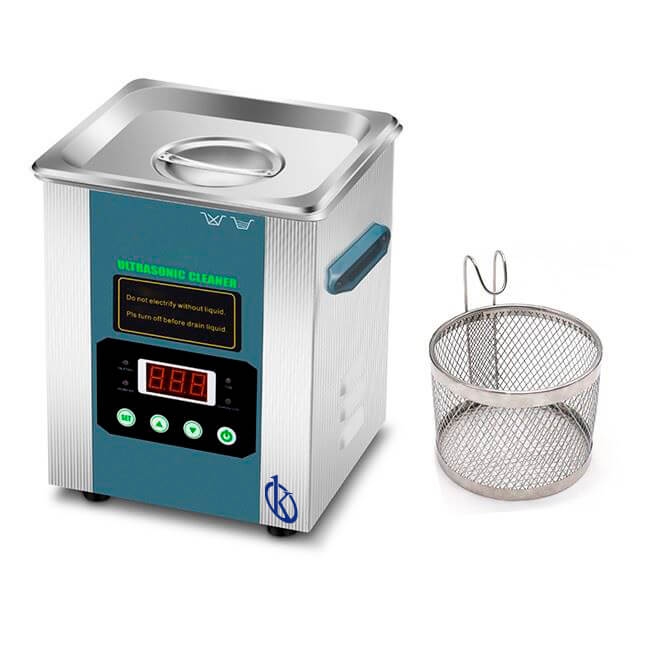
In today’s laboratory environment, the focus on energy sustainability and minimizing environmental footprints has become paramount. This article explores how digital display ultrasonic cleaners can contribute to these goals, highlighting various models and their energy efficiency. As professionals strive to meet regulatory standards and operational benchmarks, understanding the energy consumption of ultrasonic cleaning devices is crucial.
Understanding Energy Sustainability in Ultrasonic Cleaning
Energy sustainability in ultrasonic cleaning relates to the devices' ability to perform effectively while minimizing energy and resource consumption. Ultrasonic cleaners use high-frequency sound waves to create tiny bubbles in a liquid cleaning solution, which implode and release energy, effectively cleaning items without harsh chemicals. This method is not only efficient but also supports environmental sustainability by reducing hazardous waste and energy use.
Benefits of Digital Display Ultrasonic Cleaners
Digital display ultrasonic cleaners offer enhanced user control and monitoring capabilities. They come with features that allow for precise adjustments in cleaning cycles, temperature settings, and energy consumption monitoring. Such advancements lead to reduced operational costs and improved energy efficiency, making them ideal for laboratories aiming to lower their carbon footprint.
Comparison of Available Models
| Model | Capacity (L) | Power (W) | Weight (kg) | Price (USD) |
|---|---|---|---|---|
| YR05208 | 2 | 70 | 2.6 | 45.00 |
| YR05209 | 2 | 70 | 2.7 | 47.00 |
| YR05212 | 4.5 | 180 | 5.6 | 109.00 |
| YR05213 | 6.8 | 180 | 6.2 | 116.00 |
| YR05214 | 11 | 240 | 8.5 | 156.00 |
| YR05215 | 15 | 360 | 11.5 | 202.00 |
Evaluating the Environmental Impact of Ultrasonic Cleaners
When evaluating ultrasonic cleaners for environmental sustainability, key factors include energy efficiency, water usage, and waste generation. Each model listed above varies in its specifications, which can influence operational impact. For example, the YR05215 model with a capacity of 15 liters and 360W power might produce greater cleaning efficiency but also higher energy consumption. Understanding these trade-offs is essential for making informed purchasing decisions.
Common Mistakes and How to Avoid Them
Common mistakes in selecting ultrasonic cleaners often stem from overlooking energy consumption and operational efficiency. Many buyers focus exclusively on initial cost without considering long-term energy expenses. To avoid this, professionals should assess each model's specifications thoroughly, focusing on how they align with energy sustainability goals. For instance, comparing the energy usage of YR05208 and YR05215 can highlight potential cost savings over time.
Strategies for Reducing Energy Footprint
Reducing energy consumption in ultrasonic cleaning can involve several strategies. These include optimizing cleaning cycles, using appropriate cleaning solutions that are effective at lower temperatures, and maintaining equipment for peak performance. For example, models like the YR05209, designed for home use, can demonstrate lower energy consumption while still effectively cleaning jewelry. Regular maintenance can also enhance efficiency, prolonging the lifespan of the device.
The Role of Ultrasonic Cleaners in Laboratory Processes
In laboratories, ultrasonic cleaners play a critical role in various processes, including the cleaning of delicate instruments and items that cannot withstand traditional cleaning methods. Their ability to remove contaminants without mechanical abrasion makes them invaluable. Laboratories aiming to comply with environmental standards will find models such as YR05212 and YR05214 particularly beneficial due to their larger capacities and efficient cleaning capabilities.
Frequently Asked Questions
How does energy consumption vary among digital display ultrasonic cleaners?
Energy consumption varies significantly among models. For instance, the YR05208 consumes 70W with a 2-liter capacity, while the YR05215, with a capacity of 15 liters, requires 360W. This difference impacts overall operational costs in a laboratory setting.
What is the most energy-efficient digital display ultrasonic cleaner for jewelry?
The YR05208 model is an excellent choice for jewelry, consuming only 70W while effectively cleaning with a 2-liter capacity. This makes it highly suitable for environments focused on energy sustainability.
Which ultrasonic cleaner model offers the best balance between capacity and energy efficiency?
The YR05212 strikes a balance with a 4.5-liter capacity and a power rating of 180W, making it suitable for larger cleaning tasks without excessive energy consumption, ideal for laboratory use.
What are the environmental benefits of using ultrasonic cleaners in labs?
Ultrasonic cleaners like the YR05209 reduce the need for harsh chemicals and minimize water consumption while providing effective cleaning, thereby supporting environmental sustainability in laboratory practices.
How can I calculate the operational cost of an ultrasonic cleaner?
To calculate the operational cost, consider the power rating in watts, cleaning cycles per day, and energy costs. For example, the YR05215 at 360W running for 8 hours per day can provide a clear cost picture.
What features should I look for in an ultrasonic cleaner to ensure energy savings?
Key features include digital controls for precise timing, adjustable settings for cleaning cycles, and energy-efficient designs. Models like YR05209 incorporate these features to enhance energy savings.
How do ultrasonic cleaners contribute to reducing laboratory waste?
Ultrasonic cleaners require less chemical usage and generate less hazardous waste than traditional cleaning methods, promoting a more sustainable laboratory environment. This makes models like YR05214 advantageous.
How can I ensure my ultrasonic cleaner is energy efficient?
Regular maintenance, using appropriate cleaning solutions, and optimizing cleaning cycles can enhance the energy efficiency of devices like the YR05212 and reduce overall operational costs.
If you are looking for a fusion of innovation and quality, you have come to the right place. At Kalstein, we offer you the luxury of exploring our exclusive catalog of laboratory equipment. We manufacture every device to the highest standards of excellence. Our intuitive and seamless online purchasing channels are designed for your convenience, securing the most competitive prices. Hesitate no longer — we bring science to life, it is time to become part of our community.