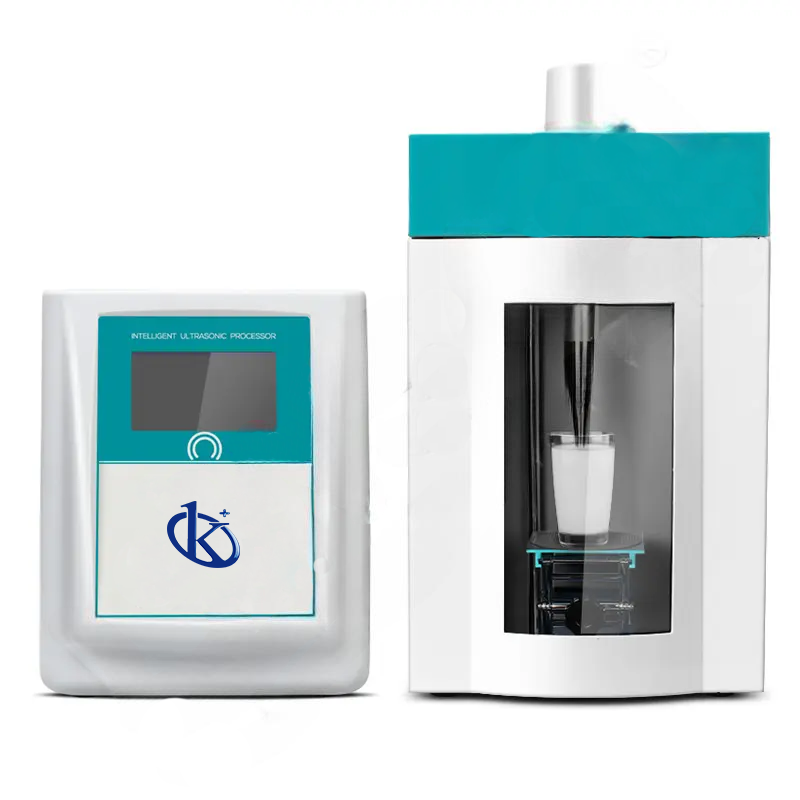
How to Achieve Energy Sustainability with Ultrasonic Homogenizers
In today's laboratory landscape, the push for energy sustainability is more prominent than ever. Ultrasonic homogenizers, known for their efficiency in sample processing, are now being leveraged not only for their performance but also for their potential to minimize environmental impact. This article delves into how ultrasonic homogenizers can be optimized for energy sustainability, focusing on key models and their features.
Understanding Energy Sustainability in Laboratories
Energy sustainability in laboratories refers to the practice of using energy in a way that meets current needs without compromising future generations' ability to meet their own. As laboratories strive for efficiency and reduced environmental footprints, ultrasonic homogenizers are becoming essential tools. They offer significant energy reduction potential through optimized power usage, efficient operational features, and sustainable practices.
Overview of Ultrasonic Homogenizers
Ultrasonic homogenizers utilize high-frequency sound waves to create microscopic bubbles in a liquid, which collapse violently, leading to effective sample homogenization. The technology is widely used in various fields, including pharmaceuticals, food processing, and biotechnology. Their operational efficiency can significantly contribute to energy sustainability by minimizing reagent waste and optimizing processing times.
Comparison of Available Models
| Model | Power (W) | Mixing Capacity (ml) | Price (USD) |
|---|---|---|---|
| YR05015 | 150 | 150 | 756.00 |
| YR05016 | 250 | 300 | 882.00 |
| YR05017 | 650 | 500 | 1050.00 |
| YR05018 | 900 | 600 | 1281.00 |
| YR05019 | 1200 | 1000 | 1785.00 |
| YR05020 | 1800 | 1200 | 2058.00 |
Reducing Energy Consumption with Ultrasonic Homogenizers
One of the primary advantages of ultrasonic homogenizers is their reduced energy footprint compared to conventional mixing methods. By operating on an adjustable power scale, models like YR05015 allow users to tailor energy usage based on specific sample requirements, achieving effective homogenization while conserving energy.
Optimizing Operational Efficiency
Beyond energy consumption, operational efficiency plays a vital role in sustainability. Ultrasonic homogenizers can process samples in significantly less time than traditional methods. For instance, the YR05020 model can handle larger volumes without the need for extended processing times, effectively reducing overall energy usage and increasing laboratory throughput.
Minimizing Reagent Waste
Another critical aspect of energy sustainability is the reduction of reagent waste. Ultrasonic homogenizers like the YR05019 facilitate precise and efficient sample processing, resulting in lesser reagent use compared to other homogenization technologies. This reduction not only conserves resources but also minimizes the environmental impact associated with chemical disposal.
Lifecycle Assessment of Ultrasonic Homogenizers
Conducting a lifecycle assessment (LCA) helps laboratories evaluate the environmental impact of ultrasonic homogenizers from production to disposal. Models such as the YR05018 are designed with energy-efficient components and offer extended durability, contributing positively to their overall sustainability profile.
Common Mistakes and How to Avoid Them
Even experienced laboratory professionals can fall into common traps when using ultrasonic homogenizers. These include improper power settings, neglecting calibration, and overlooking maintenance schedules. Ensuring optimal performance requires regular training, adherence to manufacturer guidelines, and consistent monitoring of energy consumption.
Frequently Asked Questions
What are the energy savings potential of ultrasonic homogenizers compared to traditional methods?
Ultrasonic homogenizers like YR05016 can save up to 50% more energy compared to traditional homogenization techniques, due to their efficient design and adjustable power settings. This makes them ideal for labs looking to reduce operational costs and environmental impact.
How does ultrasonic homogenizer YR05017 help in reducing reagent waste?
The YR05017 model is designed for high efficiency and precision, minimizing reagent waste through effective sample processing. This capability is crucial for laboratories aiming to enhance sustainability and lower costs associated with consumables.
How can ultrasonic homogenizers contribute to a lab's sustainability goals?
Ultrasonic homogenizers contribute to sustainability by reducing energy consumption, minimizing reagent waste, and extending the lifecycle of equipment. Models like the YR05019 are particularly effective in achieving these goals, making them a valuable asset for environmentally-conscious laboratories.
What maintenance practices ensure optimal performance of ultrasonic homogenizers?
Regular calibration, proper cleaning, and adherence to operational guidelines are essential maintenance practices for ultrasonic homogenizers. These practices help maintain efficiency and prolong the lifespan of models like the YR05020, ensuring they continue to meet sustainability standards.
How does the design of ultrasonic homogenizer YR05018 enhance its energy efficiency?
The YR05018 model features a compact design that minimizes energy consumption during operation. Its advanced technology allows for precise control of power settings, which directly impacts its overall energy efficiency in laboratory applications.
What role does lifecycle assessment play in selecting ultrasonic homogenizers?
Conducting a lifecycle assessment allows laboratories to understand the long-term environmental impact of ultrasonic homogenizers. By evaluating models like YR05015 for their energy use, materials, and waste management, labs can make informed decisions that align with their sustainability goals.
Which ultrasonic homogenizer is best for maximizing throughput while being energy efficient?
The YR05020 is ideal for maximizing throughput due to its high power and capacity. Its efficiency in processing large volumes quickly makes it a top choice for labs focused on both productivity and energy sustainability.
How can ultrasonic homogenizers be integrated into a laboratory's energy sustainability strategy?
Integrating ultrasonic homogenizers into a laboratory's sustainability strategy involves setting specific energy reduction goals, utilizing energy-efficient models like the YR05016, and monitoring performance against those goals. This approach ensures continuous improvement in energy management practices.
If you are looking for a fusion of innovation and quality, you have come to the right place. At Kalstein, we offer you the luxury of exploring our exclusive catalog of laboratory equipment. We manufacture every device to the highest standards of excellence. Our intuitive and seamless online purchasing channels are designed for your convenience, securing the most competitive prices. Hesitate no longer — we bring science to life, it is time to become part of our community.