How to Enhance Energy Sustainability and Reduce Environmental Footprint with Horizontal Electrophoresis
In today's laboratory settings, the emphasis on energy sustainability and minimizing environmental impact is more crucial than ever. As global awareness of climate change and resource conservation grows, laboratories must adapt and implement practices that contribute to sustainability. Horizontal electrophoresis devices play a significant role in this shift, offering various models that cater to different experimental needs while also focusing on energy efficiency and environmental impact.
Understanding Energy Sustainability in Laboratory Practices
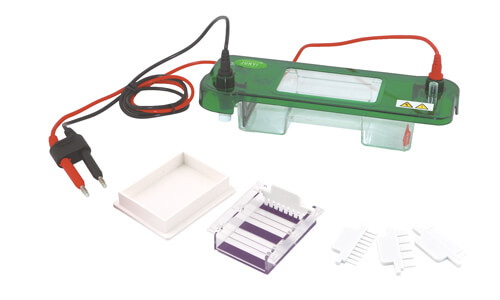
Energy sustainability refers to the use of energy resources in a manner that meets current needs without compromising the ability of future generations to meet their own needs. In laboratory environments, this involves utilizing equipment that consumes less energy, produces less waste, and operates more efficiently. Horizontal electrophoresis units, such as the Horizontal Electrophoresis Cell YR03415 to YR03420, embody these principles, enabling laboratories to conduct their research while minimizing their ecological footprint.
Energy Consumption and Efficiency of Horizontal Electrophoresis Units
When evaluating the energy consumption of horizontal electrophoresis units, it is vital to look at factors such as buffer volume, gel size, and the model's overall design. Each of the YR series models, including YR03415, YR03416, YR03417, YR03418, YR03419, and YR03420, has different specifications that affect their energy usage during operation. For example, larger units may require more energy due to increased buffer volumes, while more efficient designs can help reduce overall energy consumption.
Impact of Laboratory Technologies on Environmental Footprint
The environmental footprint of laboratory technologies encompasses various factors, including energy usage, waste generation, and resource consumption. By selecting horizontal electrophoresis systems that are designed with sustainability in mind, laboratories can significantly reduce their impact. For instance, the YR03418 model, which operates efficiently with a buffer volume of ~900ml, illustrates how specific designs contribute to lower resource consumption while still delivering high-quality results.
Comparison of Available Models
| Model | Gel Size (WxL) | Sample Volume | Buffer Volume | Dimensions (LxWxH) | Net Weight | Price (USD) |
|---|---|---|---|---|---|---|
| YR03415 | 186x205mm | 3, 5, 9 | ~150ml | 250x90x50mm | 0.4Kg | 81.00 |
| YR03416 | 78x100mm | 10, 15 | ~400ml | 365x105x55mm | 0.6Kg | 136.80 |
| YR03417 | Multiple Sizes | 3, 6, 8, 11, 13, 18, 25 | ~550ml | 300x160x75mm | 1.1Kg | 183.00 |
| YR03418 | Multiple Sizes | 1, 2, 3, 6, 14, 8, 17, 13, 29 | ~900ml | 390x187x63mm | 2.0Kg | 201.00 |
| YR03419 | Multiple Sizes | 3, 5, 10, 15, 13, 26 | ~600ml | 305x152x80mm | 1.7Kg | 201.00 |
| YR03420 | Multiple Sizes | 17, 22, 36, 44 | ~1,800ml | 397x230x93mm | 3.3Kg | 330.60 |
Common Mistakes and How to Avoid Them
When selecting horizontal electrophoresis units for sustainable practices, laboratories often overlook critical factors such as energy consumption ratings, buffer requirements, and overall efficiency. It is essential to perform a thorough assessment of each model’s specifications before making a purchase decision. Additionally, understanding how each unit can fit into the laboratory’s sustainability goals will ensure that the chosen model aligns with those objectives. Always refer to model specifications, like those of the YR03417, to ensure the best fit for energy-efficient operations.
Strategies for Reducing Reagent Waste in Horizontal Electrophoresis
Minimizing reagent waste is another aspect of enhancing sustainability in laboratory practices. By carefully selecting the appropriate model based on experiment needs, laboratories can reduce the amount of reagents used. For example, using a model such as YR03419, which allows for various sample volumes, can help optimize reagent usage while maintaining experimental integrity. Additionally, implementing a careful planning stage for experiments can further reduce waste.
Energy-efficient Practices in Electrophoresis
To promote energy efficiency, laboratory personnel should consider scheduling experiments during off-peak energy hours or utilizing energy-efficient settings on their electrophoresis units. Furthermore, regular maintenance of equipment like the YR03415 can ensure optimal performance, reducing unexpected energy drains. By adopting these practices, laboratories can significantly improve their energy consumption metrics.
Frequently Asked Questions
How does the YR03420 model contribute to reducing environmental impact in labs?
The YR03420 model is designed with a buffer capacity of ~1,800ml, enabling efficient usage while minimizing waste. Its larger dimensions accommodate various experimental setups, assisting laboratories in aligning with sustainable practices.
What are the energy consumption metrics for the YR03416 electrophoresis unit?
The YR03416 model has a buffer volume of ~400ml, which allows for optimal energy usage compared to larger models. This design helps reduce overall energy consumption while providing reliable results in horizontal electrophoresis.
Which horizontal electrophoresis model is best for minimizing reagent waste?
The YR03419 model, with its variable sample volume capabilities, is ideal for laboratories aiming to minimize reagent waste. By selecting the appropriate sample size, labs can ensure efficient use of reagents without compromising experimental quality.
How does model YR03418 enhance sustainability in laboratory settings?
Model YR03418 features a buffer volume of ~900ml, balancing energy efficiency with practical laboratory needs. Its flexible design supports various experimental requirements, thus promoting sustainable lab practices.
What role do specifications play in selecting horizontal electrophoresis units for energy efficiency?
Specifications such as buffer volume, gel size, and dimensions are crucial for determining energy efficiency. Choosing models like YR03417, which optimize these factors, can lead to significant reductions in energy consumption.
How can laboratories implement energy sustainability in electrophoresis practices?
Laboratories can enhance energy sustainability by selecting efficient models like the YR03415 and scheduling experiments strategically to reduce energy consumption. Regular maintenance and optimization of practices further support sustainability goals.
Which horizontal electrophoresis models are the most energy-efficient?
Models like YR03416 and YR03419 are recognized for their energy-efficient designs, balancing performance with lower energy requirements. Evaluating their specifications can help laboratories meet sustainability objectives.
How can labs assess the environmental impact of their electrophoresis practices?
Labs can evaluate environmental impact by monitoring energy consumption, waste generation, and resource usage related to their horizontal electrophoresis practices. Utilizing models like YR03420 can aid in reducing overall impact.
If you are looking for a fusion of innovation and quality, you have come to the right place. At Kalstein, we offer you the luxury of exploring our exclusive catalog of laboratory equipment. We manufacture every device to the highest standards of excellence. Our intuitive and seamless online purchasing channels are designed for your convenience, securing the most competitive prices. Hesitate no longer — we bring science to life, it is time to become part of our community.