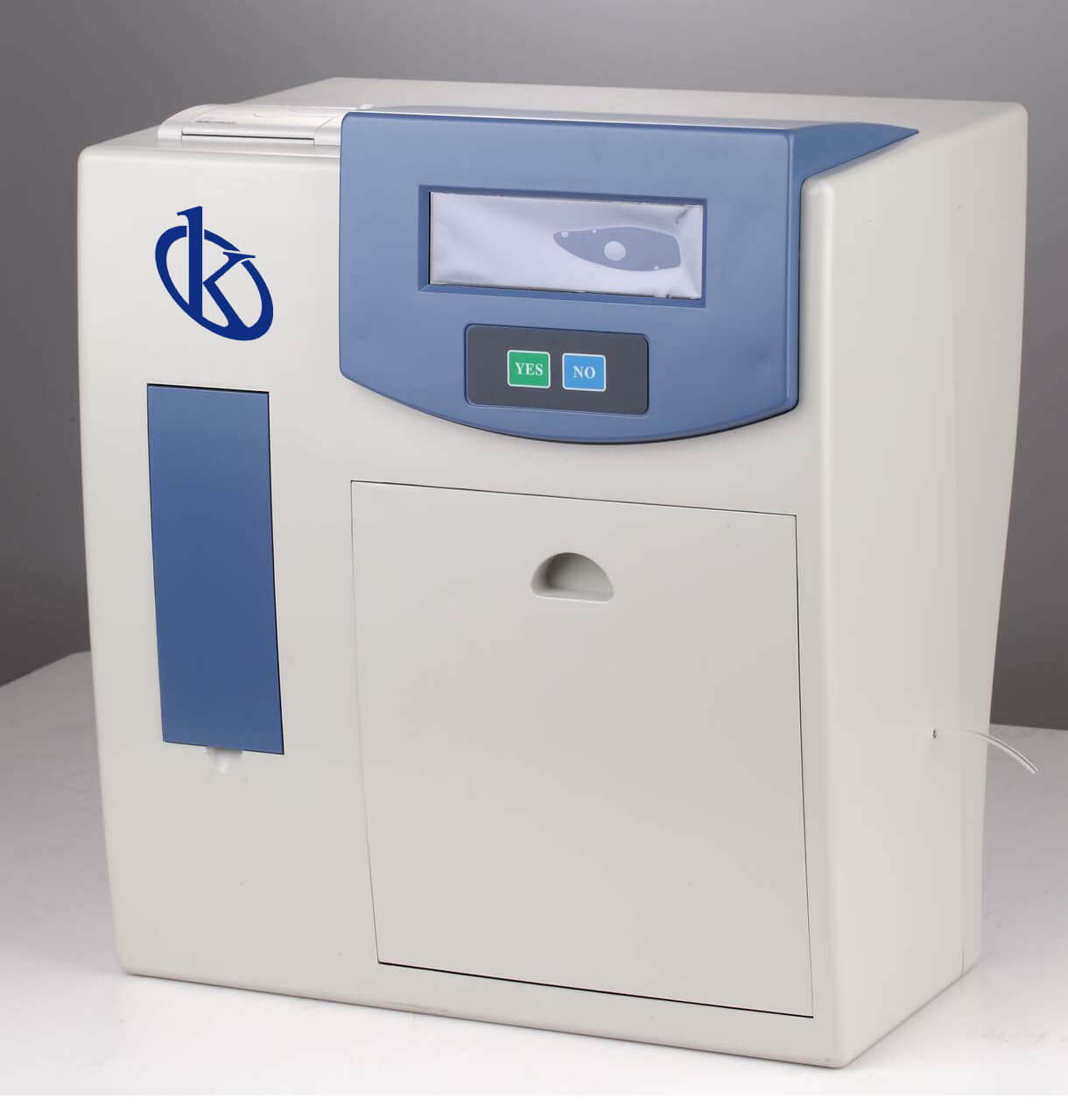
How to Enhance Sustainability and Reduce Environmental Footprint with Electrolyte Analyzers?
As laboratory professionals increasingly focus on sustainability, electrolyte analyzers play a crucial role in facilitating accurate measurements while reducing environmental impact. This article delves into how various models contribute to energy efficiency, reduce waste, and align with sustainability objectives.
Understanding Electrolyte Analyzers in the Context of Sustainability
Electrolyte analyzers are essential tools for measuring electrolyte levels in various clinical samples. Their operation can significantly influence a laboratory's energy consumption and overall environmental footprint. By selecting models optimized for low energy usage and waste reduction, laboratories can simultaneously improve efficiency and sustainability.
Key Features Promoting Sustainability in Electrolyte Analyzers
Modern electrolyte analyzers incorporate advanced technologies that enhance their operational sustainability. Important features include energy-efficient designs, reduced reagent consumption, and automated cleaning processes that minimize waste. For instance, the Electrolyte Analyzer YR05169 offers automatic calibration and correction, ensuring precise measurements while optimizing reagent usage.
Energy Consumption Metrics for Electrolyte Analyzers
Tracking the energy consumption of electrolyte analyzers is essential for assessing their sustainability impact. Key metrics include kWh per test run and overall daily energy consumption. Models such as the Electrolyte Analyzer YR06391 exhibit an energy-efficient design, significantly reducing operational energy use compared to other models.
Water and Reagent Use: Minimizing Waste
Water and reagent use is a critical consideration in evaluating the environmental footprint of electrolyte analyzers. Efficient analyzers, like the YR06395, are designed to minimize the volume of waste produced during testing, thereby contributing to a reduction in both water and chemical waste. This feature not only aligns with sustainability goals but also lowers operational costs.
Lifecycle Assessment and E-Waste Management
Conducting a lifecycle assessment (LCA) of electrolyte analyzers helps laboratories understand their environmental impact from production to disposal. Models such as the YR06393 are designed considering e-waste management, offering recyclable components and energy-efficient operation to enhance sustainability from the outset.
Comparison of Available Models
| Model | Energy Consumption (kWh) | Reagent Consumption | Best for |
|---|---|---|---|
| YR05169 | 0.5 | Low | General clinical use |
| YR06391 | 0.4 | Very Low | High-throughput settings |
| YR06392 | 0.45 | Medium | Cost-sensitive labs |
| YR06393 | 0.5 | Low | Routine electrolyte testing |
| YR06394 | 0.55 | Medium | Comprehensive testing |
| YR06395 | 0.35 | Very Low | Energy-efficient laboratories |
Common Mistakes and How to Avoid Them
Laboratories often overlook the significance of equipment energy consumption when choosing electrolyte analyzers. A common mistake is focusing solely on initial purchase price rather than total cost of ownership, which includes operational energy and maintenance costs. Selecting energy-efficient models like the YR06391 can mitigate this issue and enhance sustainability.
Frequently Asked Questions
What is the energy consumption of the YR05169 electrolyte analyzer?
The YR05169 electrolyte analyzer consumes approximately 0.5 kWh per test run, making it relatively energy-efficient for general clinical use.
How can I reduce reagent waste with electrolyte analyzers?
Utilizing models like the YR06395, which are designed for low reagent consumption, can significantly reduce waste associated with electrolyte testing.
Which electrolyte analyzer is best for sustainability in 2023?
The YR06391 is considered one of the best options for sustainability, as it offers very low energy consumption and efficient reagent usage.
How does the YR06393 compare in energy efficiency?
The YR06393 operates at a consumption rate of 0.5 kWh per test, offering moderate energy efficiency suitable for routine electrolyte testing.
What are the benefits of automatic calibration in electrolyte analyzers?
Automatic calibration, featured in the YR05169 model, helps maintain measurement accuracy while reducing the need for manual adjustments, thus saving time and resources.
How does lifecycle assessment influence my choice of electrolyte analyzer?
A lifecycle assessment allows you to evaluate the long-term environmental impact of models like the YR06395, leading to better-informed decisions regarding sustainability.
What features should I look for in a sustainable electrolyte analyzer?
Key features to consider include energy efficiency, low reagent consumption, and automatic cleaning capabilities to help reduce overall environmental impact.
Conclusion
Electrolyte analyzers are essential tools that can significantly contribute to sustainability in laboratory settings. By selecting models like the YR06391 and YR06395, laboratories can enhance energy efficiency, minimize waste, and successfully align their operations with environmental goals. The integration of advanced features in these analyzers not only supports sustainability but also improves overall laboratory efficiency.
If you are looking for a fusion of innovation and quality, you have come to the right place. At Kalstein, we offer you the luxury of exploring our exclusive catalog of laboratory equipment. We manufacture every device to the highest standards of excellence. Our intuitive and seamless online purchasing channels are designed for your convenience, securing the most competitive prices. Hesitate no longer — we bring science to life, it is time to become part of our community.