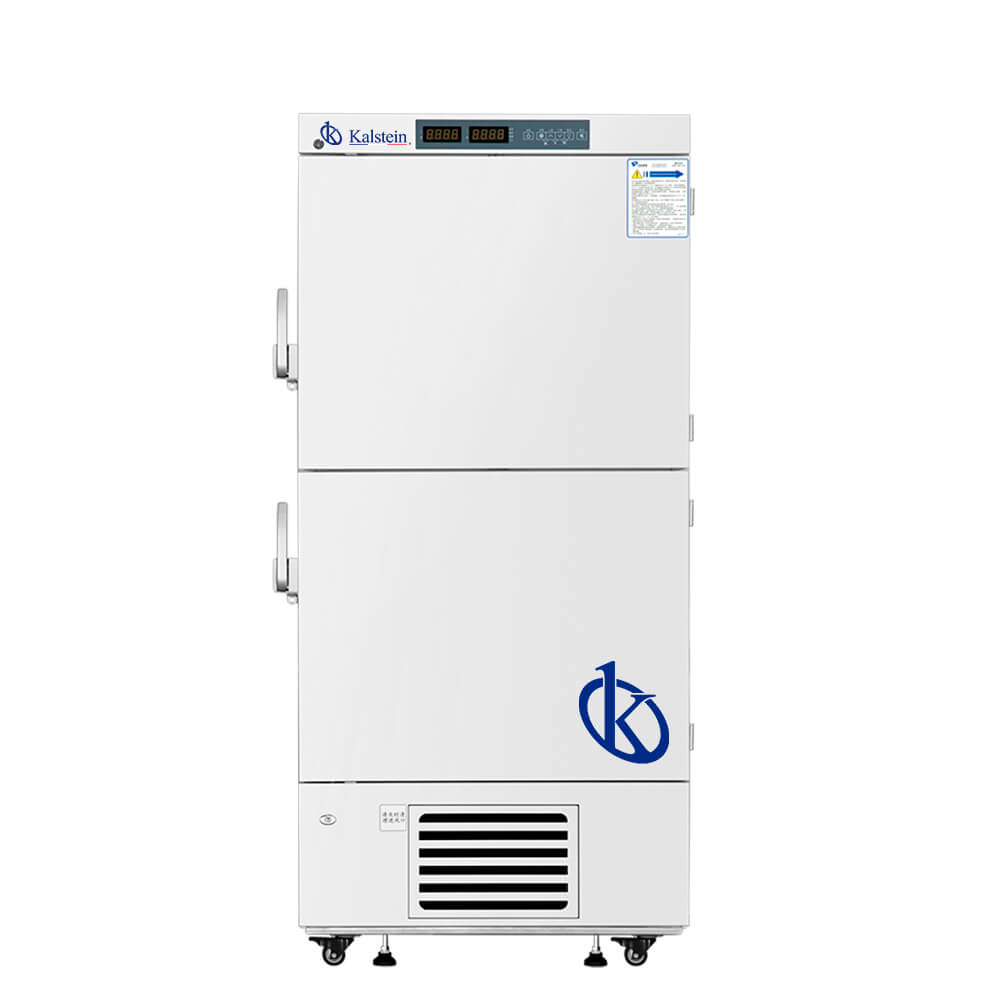
Enhancing Productivity and Reducing Analysis Times with Low Temperature Freezers
In the fast-paced environment of laboratories, efficiency and time management are paramount. Low Temperature Freezers play a critical role in preserving samples while ensuring quick access and handling. This article delves into how these freezers can enhance productivity and reduce analysis times, comparing multiple models to highlight their strengths in laboratory settings.
Understanding Low Temperature Freezers and Their Impact on Laboratory Efficiency
Low Temperature Freezers are essential for laboratories that require precise temperature control for sample preservation. They operate at temperatures ranging from -10°C to -40°C, making them suitable for various applications, including biological sample storage, pharmaceutical research, and clinical laboratories. The efficiency of these freezers directly affects productivity; having reliable and well-designed units reduces the time spent on sample retrieval and maintenance.
Key Features Influencing Productivity
Several features can impact the productivity of a laboratory utilizing Low Temperature Freezers. These include:
- Temperature Control: A microprocessor-based temperature controller ensures stable conditions, reducing the risk of sample degradation.
- Alarm Systems: Models equipped with multiple alarm notifications for high/low temperatures and power failures promote reliability and minimize downtime.
- Storage Flexibility: Adjustable shelving allows for efficient space utilization, accommodating various sample sizes and improving access times.
Comparison of Available Models
| Model | Temperature Range (°C) | Cooling Method | Energy Consumption (kWh/24h) | Best For |
|---|---|---|---|---|
| YR05100 | -20 to -40 | Direct Cooling | 6.7 | Flexible sample storage |
| YR05309 | -20 to -40 | Direct Cooling | 5.5 | Medical supplies storage |
| YR05311 | -10 to -25 | Direct Cooling | 3.0 | Laboratory sample preservation |
Common Mistakes and How to Avoid Them
Laboratories can make several common mistakes when selecting and using Low Temperature Freezers. Here are some pitfalls to avoid:
- Ignoring Temperature Specifications: Ensure the freezer's temperature range aligns with your sample requirements. For instance, the YR05100 model, with its -20°C to -40°C range, is ideal for many biological samples.
- Overloading Freezers: Many users fail to consider the weight and volume of samples. This can compromise airflow and cooling efficiency.
- Neglecting Maintenance: Regular checks on alarm systems and temperature readings are crucial. Models like the YR05309 feature multiple alarms which can prevent potential sample loss.
Optimizing Workflows with Low Temperature Freezers
Integrating Low Temperature Freezers into your laboratory workflow can significantly streamline operations. With a focus on storage location, sample retrieval times can be minimized. Freezers with adjustable shelving, such as the YR05100, allow for easy reorganization based on priority samples, reducing the time spent accessing frequently used items.
Energy Efficiency and Cost Considerations
Energy consumption is a significant factor when selecting Low Temperature Freezers. The YR05309 model, consuming only 5.5 kWh per 24 hours, represents a cost-efficient option for labs concerned with operational expenses. Additionally, considering the long-term costs associated with energy consumption can yield substantial savings over time.
Implementing Safety Protocols with Freezer Usage
Safety is paramount in laboratory settings. Low Temperature Freezers should be positioned in areas where staff can easily access emergency shut-off features. Devices like the YR05311 come equipped with visual and audible alarms that alert users to critical issues, thereby enhancing safety protocols.
Frequently Asked Questions
How can Low Temperature Freezers reduce analysis times in my laboratory?
Effective organization and accessibility of samples stored in Low Temperature Freezers, such as the YR05100, can significantly cut down analysis times. By having a well-structured setup and utilizing adjustable shelving, your lab can achieve quicker sample retrieval, thus enhancing overall throughput.
What key features should I look for in a Low Temperature Freezer to optimize productivity?
Features like alarm systems, temperature stability, and flexible storage options are essential. For instance, the YR05309 model has multiple alarm notifications that prevent sample loss due to temperature fluctuations, ensuring operational reliability.
Which Low Temperature Freezer model is best suited for medical supplies storage?
The YR05309 model is well-suited for medical supplies, offering a reliable storage environment with a temperature range of -20°C to -40°C and low energy consumption, which optimizes both safety and operational costs.
How do I ensure the Low Temperature Freezer meets my laboratory's needs?
Assess your specific storage requirements, including the temperature ranges needed for your samples. The YR05100 and YR05311 models offer different temperature ranges and configurations suitable for various laboratory needs, ensuring you select the best fit.
Why is energy efficiency important when selecting a Low Temperature Freezer?
Energy efficiency impacts operational costs and environmental sustainability. The YR05309 model, with its low energy consumption of 5.5 kWh per 24 hours, allows labs to manage their budgets better while reducing their carbon footprint.
What can I do to maintain my Low Temperature Freezer effectively?
Regularly monitor temperature readings and alarm systems. Maintenance practices include checking seals and ensuring proper airflow around the units. The YR05311 model features built-in alarms that alert users to any potential issues promptly, facilitating effective maintenance.
How do Low Temperature Freezers improve sample preservation in laboratories?
Low Temperature Freezers like the YR05100 maintain controlled environments that prevent sample degradation. By using direct cooling methods, they provide stable temperatures that are crucial for preserving biological and chemical samples for extended periods.
What is the typical lifespan of a Low Temperature Freezer in a laboratory setting?
Generally, Low Temperature Freezers can last 10-15 years with proper maintenance. Regular checks and timely servicing, as seen in models like the YR05309, can extend their operational life and reliability in sample preservation.
If you are looking for a fusion of innovation and quality, you have come to the right place. At Kalstein, we offer you the luxury of exploring our exclusive catalog of laboratory equipment. We manufacture every device to the highest standards of excellence. Our intuitive and seamless online purchasing channels are designed for your convenience, securing the most competitive prices. Hesitate no longer — we bring science to life, it is time to become part of our community.