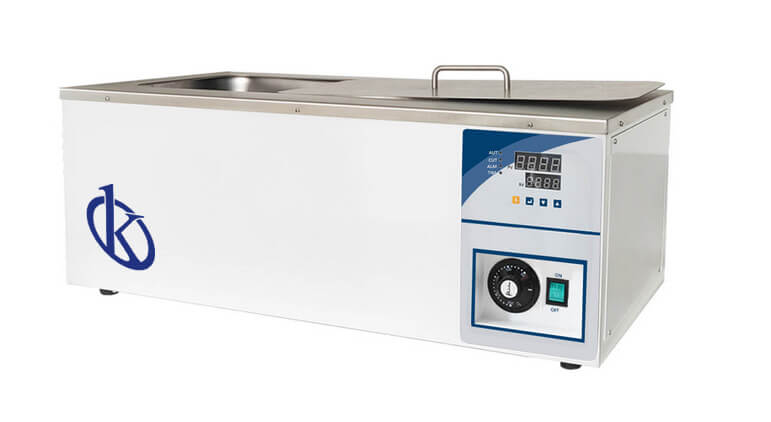
How to Ensure Compliance with ISO/IEC Standards Using Oil Baths in Laboratories
Ensuring compliance with ISO/IEC standards is crucial for laboratories involved in diverse fields such as bioengineering, medicine, and food industries. Oil baths, specifically designed to provide uniform heating, are instrumental in meeting these standards. This article will delve into how oil baths can help laboratories achieve and maintain compliance while optimizing their operations.
Understanding ISO/IEC Standards Relevant to Oil Baths
ISO/IEC standards are designed to ensure quality, safety, and efficiency across various laboratory processes. Key standards include ISO 17025, which focuses on testing and calibration laboratories, and IEC 61010, which covers safety requirements for electrical equipment used in measurement, control, and laboratory use. Understanding these standards allows laboratory professionals to align their equipment and procedures accordingly.
ISO 17025 and Oil Baths
The ISO 17025 standard requires laboratories to demonstrate competence in testing and calibration. Oil baths, such as the YR04973 and YR04974 models, provide controlled heating necessary for accurate results, fulfilling the requirements of this standard. Their precise temperature control helps ensure reproducibility and reliability in experimental results.
IEC 61010 Compliance
IEC 61010 outlines safety requirements for laboratory equipment. The oil baths designed by Kalstein, such as the YR04975 and YR04976, include safety features like overcurrent protection and temperature limiters, ensuring compliance with IEC standards while enhancing operator safety.
Key Features of Oil Baths Ensuring Compliance
Oil baths are essential for various laboratory applications due to their specific features that support compliance with ISO/IEC standards. Key features include:
- Precise Temperature Control: The PID control system allows for fast temperature adjustments, crucial for maintaining the specified conditions required by standards.
- Dual Use of Water and Oil: This versatility helps in achieving varying temperature requirements while optimizing resource use.
- Safety Mechanisms: Built-in alarms and mechanical limiters ensure safe operation and compliance with safety regulations.
Comparison of Available Models
| Model | Temperature Range (°C) | Power (W) | Best For |
|---|---|---|---|
| YR04973 | RT +5~250 | 1000 | General lab use |
| YR04974 | RT +5~250 | 1200 | Biomedical applications |
| YR04975 | RT +5~250 | 1600 | Food testing |
| YR04976 | RT +5~250 | 2000 | Chemical testing |
Documenting Compliance for Audit Trails
Documentation is a critical aspect of maintaining compliance with ISO/IEC standards. Laboratories should establish a robust documentation system that includes calibration records, maintenance logs, and operator training records for oil baths. This documentation serves as an audit trail, demonstrating adherence to regulatory requirements.
Common Mistakes and How to Avoid Them
Laboratories often fall short of compliance due to common mistakes, including:
- Lack of Regular Calibration: Ensure that oil baths are calibrated regularly to maintain their accuracy.
- Inadequate Training: Train all staff on proper usage and maintenance of oil baths to minimize errors.
- Poor Documentation Practices: Implement a systematic approach to documenting operations and compliance activities.
Frequently Asked Questions
How can oil baths help meet ISO 17025 requirements in laboratories?
Oil baths like YR04973 provide precise temperature control, essential for meeting ISO 17025 requirements. Their reliability ensures consistent results, fulfilling the competence requirement outlined in this standard.
What safety features should oil baths include for IEC 61010 compliance?
For IEC 61010 compliance, oil baths such as YR04976 should include overcurrent protection and mechanical temperature limiters, ensuring safe operation in laboratory environments.
How important is documentation for compliance with ISO/IEC standards?
Documentation is vital for demonstrating compliance with ISO/IEC standards. Maintaining records of calibration, maintenance, and training related to oil baths supports compliance audits and enhances laboratory credibility.
What are the consequences of non-compliance with ISO/IEC standards in laboratories?
Non-compliance with ISO/IEC standards can lead to regulatory penalties, loss of accreditation, and compromised laboratory reputation. Ensuring that oil baths meet these standards is crucial for operational integrity.
How do I choose the right oil bath model for my laboratory?
Choosing the right oil bath model depends on the specific applications. For instance, YR04975 is suitable for food testing due to its higher power capacity, while YR04974 is ideal for biomedical applications requiring precise temperature control.
What maintenance practices are necessary for oil baths in compliance?
To ensure compliance, regular maintenance practices for oil baths include calibration checks, safety feature inspections, and routine cleaning to prevent cross-contamination and maintain operational efficiency.
How can I optimize my laboratory's use of oil baths for better compliance?
Optimizing the use of oil baths involves implementing a structured calibration schedule, training staff on best practices, and maintaining comprehensive documentation to ensure compliance with ISO/IEC standards.
What role does temperature control play in laboratory compliance with standards?
Temperature control is critical in laboratory compliance as it directly affects accuracy and precision in testing. Models like YR04973 provide the necessary control for meeting various ISO/IEC standards.
If you are looking for a fusion of innovation and quality, you have come to the right place. At Kalstein, we offer you the luxury of exploring our exclusive catalog of laboratory equipment. We manufacture every device to the highest standards of excellence. Our intuitive and seamless online purchasing channels are designed for your convenience, securing the most competitive prices. Hesitate no longer — we bring science to life, it is time to become part of our community.