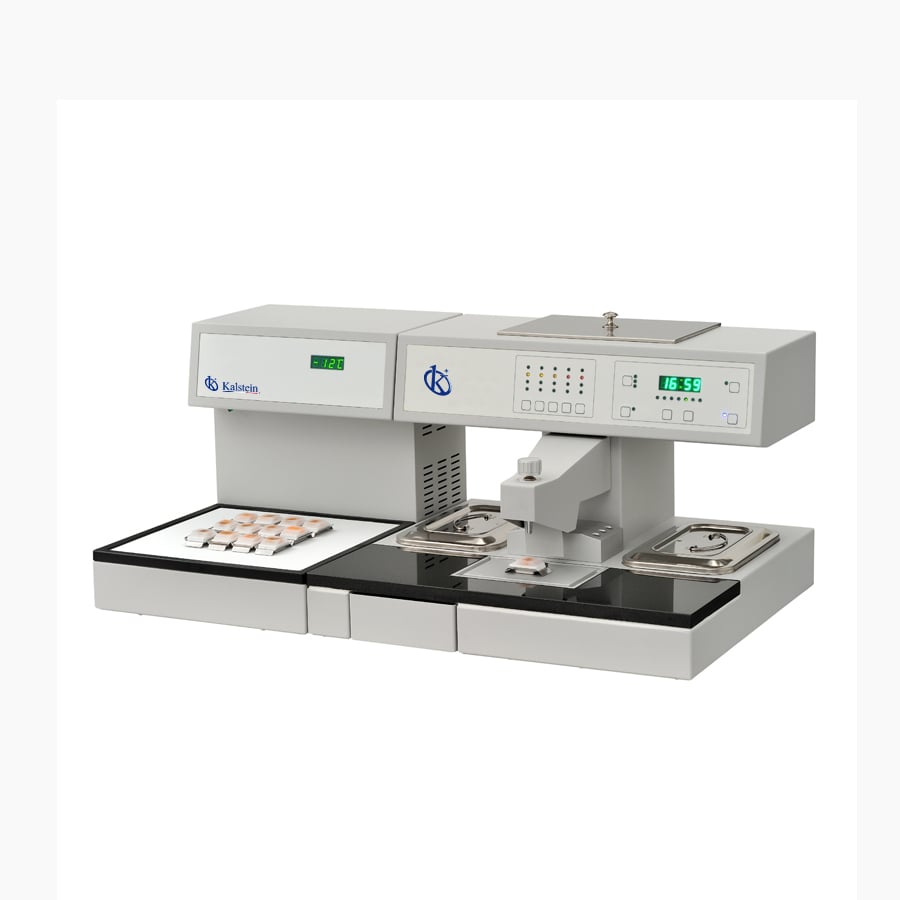
How to Ensure Compliance with ISO/IEC Regulations Using Tissue Embedding Systems
In the realm of pathological anatomy, achieving compliance with ISO/IEC regulations is crucial for laboratories that process biological samples. Tissue embedding systems play a vital role in ensuring that these standards are met, particularly for labs focused on histology and pathology. This article delves into the specifics of regulatory compliance, the standards at play, and how various tissue embedding systems can facilitate adherence to these regulations.
Understanding ISO/IEC Standards Relevant to Tissue Embedding Systems
ISO/IEC standards provide a framework for quality and safety in laboratory practices. For tissue embedding systems, two key standards are ISO 17025 and ISO 15189. ISO 17025 outlines the general requirements for the competence of testing and calibration laboratories, while ISO 15189 focuses on the quality management systems specific to medical laboratories.
Compliance with these standards requires rigorous documentation and traceability, which tissue embedding systems can support through precise temperature control and programmable settings. These features ensure that the samples are processed under controlled conditions, which is critical for achieving reliable results.
ISO 17025 Compliance: Key Requirements and Solutions
ISO 17025 emphasizes the importance of a quality management system, proficiency testing, and regular audits. Tissue embedding systems like the YR441 and YR447 are designed to support these requirements by offering programmable operation and precise temperature control. The YR441, for instance, features a microprocessor-controlled temperature range of 55-70℃, which can be monitored via LED displays, ensuring that the embedding process maintains compliance with temperature stability requirements.
Regular calibration and maintenance of these systems are critical to ensure compliance. The automated features in these models allow for easy tracking of operational parameters, fulfilling documentation requirements for audits.
ISO 15189: Ensuring Clinical Excellence with Tissue Embedding Systems
ISO 15189 places a strong emphasis on the requirements for quality management in medical laboratories, including the need for appropriate equipment. Tissue embedding systems like the YR445 and YR439 provide essential functionalities such as ergonomic design and programmable workflows, which contribute to maintaining high standards of clinical quality.
The YR439, with its intuitive control panel and LED lighting, allows for comfortable sample processing while ensuring that the protocols are followed strictly as per the ISO 15189 standards. This enhances the accuracy and reliability of histopathological assessments.
Audit Checklists for Tissue Embedding Systems
To maintain compliance with ISO/IEC standards, laboratories should utilize audit checklists tailored to their tissue embedding systems. These checklists should cover aspects such as:
- Verification of equipment calibration
- Review of operational logs for temperature control
- Assessment of maintenance and service records
- Documentation of staff training on equipment use
A checklist ensures that no critical compliance steps are overlooked during internal audits, facilitating a smooth path for external inspections.
Documentation Requirements for Compliance
Maintaining thorough documentation is vital for ISO/IEC compliance. Each embedding system should have documented procedures including:
- Standard Operating Procedures (SOPs) for equipment use
- Calibration records and maintenance logs
- Training records for personnel
Using models like the YR447, which offers automated operation modes, simplifies documentation. The system can log operational data automatically, reducing the manual burden on lab personnel.
Traceability and Its Importance in Tissue Embedding Systems
Traceability is a significant aspect of compliance. Tissue embedding systems need to ensure that each sample can be traced through the embedding process. Features that support this include:
- Unique sample identifiers
- Automated logging of processing parameters
- Integration with laboratory information management systems (LIMS)
The YR440B model, for instance, integrates with LIMS, ensuring that every step from embedding to analysis is tracked, aiding compliance with traceability requirements.
Comparison of Available Models
| Model | ISO/IEC Clauses Covered | Traceability Features | Best For |
|---|---|---|---|
| YR441 | ISO 17025 | LED monitoring, programmable settings | Automated workflows |
| YR447 | ISO 15189 | Integrated logging | High-throughput labs |
| YR439 | ISO 15189 | Intuitive control panel | Training facilities |
| YR445 | ISO 17025 | Programmable log | Research labs |
| YR440B | ISO 17025 | LIMS integration | Compliance-focused labs |
Common Mistakes and How to Avoid Them
Laboratories often make several common mistakes when trying to comply with ISO/IEC standards. These include:
- Neglecting regular maintenance of equipment
- Inadequate training for personnel using the systems
- Failure to document operational parameters properly
To avoid these pitfalls, labs should implement a routine maintenance schedule for their tissue embedding systems, ensure comprehensive training sessions for all staff, and maintain an organized documentation system. Utilizing models like the YR447 can help streamline these processes through automation.
Frequently Asked Questions
How can tissue embedding systems help meet ISO 17025 compliance in labs?
The YR441 and YR447 tissue embedding systems are designed to support ISO 17025 compliance through microprocessor-controlled temperature management and programmable settings, ensuring precise operations required for reliable test results.
Which features in tissue embedding systems support ISO 15189 adherence?
Models like the YR439 and YR445 provide ergonomic designs and programmable workflows that enhance compliance with ISO 15189 by facilitating accurate sample processing needed for medical laboratory standards.
What documentation is necessary for ISO/IEC compliance in embedding processes?
Laboratories must maintain Standard Operating Procedures (SOPs), calibration records, and training logs for using tissue embedding systems like the YR440B, which aids in traceability and compliance with ISO/IEC standards.
How often should maintenance be conducted on tissue embedding systems?
Regular maintenance, ideally every six months, is essential for systems like the YR447 to ensure compliance with ISO 17025 standards, focusing on calibration and operational checks to maintain accuracy.
What are the consequences of non-compliance with ISO/IEC standards in labs?
Non-compliance with ISO/IEC standards can lead to operational inefficiencies, laboratory accreditation issues, and invalid test results. Utilizing tissue embedding systems such as the YR441 can help mitigate these risks.
How do tissue embedding systems improve laboratory efficiency and compliance?
Tissue embedding systems like the YR445 automate workflows and provide accurate temperature controls, directly contributing to improved laboratory efficiency and adherence to ISO/IEC regulations.
What role does traceability play in using tissue embedding systems?
Traceability in tissue embedding systems, especially with the YR440B model, is crucial for ensuring each sample is documented throughout the process, which is vital for compliance with ISO/IEC standards.
How can I request a quote for a tissue embedding system?
You can request a quote for tissue embedding systems like the YR441 and YR447 through our website or contact our sales team directly for personalized assistance.
If you are looking for a fusion of innovation and quality, you have come to the right place. At Kalstein, we offer you the luxury of exploring our exclusive catalog of laboratory equipment. We manufacture every device to the highest standards of excellence. Our intuitive and seamless online purchasing channels are designed for your convenience, securing the most competitive prices. Hesitate no longer — we bring science to life, it is time to become part of our community.