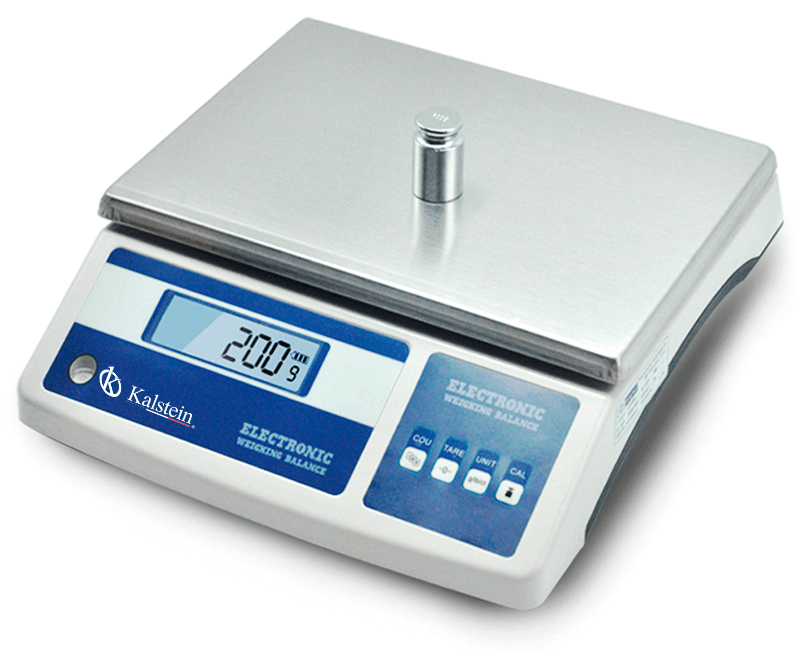
Ensuring Biosafety and Safe Operator Handling with Industrial Balances
In laboratory environments, ensuring biosafety and safe operator handling is crucial, especially when dealing with industrial balances. These devices, essential for high-precision measurements, require adherence to strict safety protocols to protect laboratory personnel and maintain the integrity of results. In this article, we will explore the importance of biosafety protocols tailored specifically for industrial balances, highlighting how to implement these measures effectively while using multiple models like the YR05606, YR05607, YR05608, and others.
Understanding Biosafety Protocols for Industrial Balances
Biosafety protocols are designed to minimize exposure to biological hazards. In the context of industrial balances, these protocols include proper training on the equipment, understanding the risks associated with handling materials, and implementing standard operating procedures (SOPs). The industrial balances, such as the YR05610 and YR05611, are designed to be user-friendly but still require an understanding of safe handling practices.
Importance of Personal Protective Equipment (PPE)
Using appropriate PPE is a fundamental aspect of biosafety in laboratory settings. Operators should wear lab coats, gloves, and safety goggles when handling industrial balances. The YR05609 model, with its user-friendly interface, facilitates easy operation while wearing gloves, ensuring that safety is not compromised. Regular training on PPE usage helps reinforce the importance of safety among laboratory personnel.
Decontamination Protocols for Industrial Balances
Implementing effective decontamination protocols is vital for maintaining a safe working environment. Balances should be regularly cleaned and disinfected, especially after weighing hazardous materials. For instance, after using the YR05608 for weighing corrosive substances, operators must follow specific decontamination steps to prevent cross-contamination and ensure safety. Each model's design, including stainless steel components, facilitates effective cleaning.
Risk Assessment in Laboratory Settings
Conducting a thorough risk assessment is essential before operating industrial balances. This process involves identifying potential hazards associated with the materials being weighed and the balances themselves. By integrating risk assessment findings into lab protocols, safety measures can be tailored specifically for each model, such as the YR05606 and YR05607, ensuring that operators are prepared for any situation.
Training Operators on Safe Handling Practices
Proper training for operators is crucial in maintaining a safe working environment. Training should include an understanding of the specific biosafety protocols, the functionality of each balance model, and emergency response procedures. Incorporating hands-on training with models like the YR05610 ensures that operators can confidently manage equipment while adhering to safety measures.
Implementing Standard Operating Procedures (SOPs)
Standard Operating Procedures (SOPs) serve as a guideline for safe balance operation. SOPs should cover equipment usage, maintenance schedules, and emergency protocols. By incorporating SOPs tailored for each industrial balance model, such as the YR05611, labs can ensure consistent safety practices are followed, minimizing the risk of accidents.
Monitoring and Maintenance of Industrial Balances
Regular monitoring and maintenance of industrial balances are essential for ensuring operational safety. Calibration and performance verification should be conducted frequently to ensure accuracy. Models like the YR05612 and YR05613 are built for easy calibration, and maintaining a regular schedule for these checks reinforces a culture of safety within the laboratory.
Comparison of Available Models
| Model | Capacity (kg) | Readability (g) | Best for |
|---|---|---|---|
| YR05606 | 11 | 1 | General laboratory use |
| YR05607 | 16 | 1 | Heavy samples |
| YR05608 | 21 | 1 | Precision weighing |
| YR05609 | 31 | 1 | Large scale applications |
| YR05610 | 5.1 | 0.1 | Fine accuracy |
| YR05611 | 11 | 0.1 | Versatile weighing |
| YR05612 | 16 | 0.1 | Intermediate weighing |
| YR05613 | 21 | 0.1 | High precision tasks |
Common Mistakes and How to Avoid Them
One common mistake in laboratory settings is underestimating the importance of biosafety protocols. Operators may neglect to wear appropriate PPE or fail to adhere to decontamination protocols. To avoid these issues, regular training sessions should be held to reinforce the significance of following established protocols for each industrial balance model. Additionally, ensuring that SOPs are easily accessible can help prevent oversights.
Frequently Asked Questions
What are the key biosafety protocols for using industrial balances?
Key biosafety protocols for using industrial balances include wearing PPE, implementing decontamination procedures, and conducting regular risk assessments. For instance, before using the YR05606 model, operators should be familiar with its operational risks and follow cleaning protocols to ensure safety.
How can I ensure safe operator handling with industrial balances?
Ensuring safe operator handling with industrial balances involves proper training, use of PPE, and following SOPs. For example, operators using the YR05608 should be trained on its specific safety measures to prevent accidents.
Which decontamination protocols should be followed for industrial balances?
Decontamination protocols for industrial balances include regular cleaning with appropriate disinfectants and ensuring that hazardous materials are handled safely. After using the YR05609 for weighing chemicals, following these protocols is vital to maintain a safe work environment.
What is the role of PPE in laboratory settings with industrial balances?
PPE plays a critical role in protecting operators from exposure to hazardous materials when using industrial balances. Wearing gloves and lab coats when operating models like the YR05611 helps minimize risk and ensures safety during measurements.
How often should risk assessments be conducted in laboratories using industrial balances?
Risk assessments should be conducted regularly, ideally before any new materials are weighed using industrial balances. For instance, labs using the YR05610 should perform assessments to identify potential hazards associated with specific applications.
What are the benefits of implementing SOPs for industrial balance operation?
Implementing SOPs for industrial balance operations standardizes safety measures and improves operational consistency. This approach helps ensure that all operators are following the same guidelines, particularly for models like the YR05612, enhancing safety and efficiency.
How can regular maintenance improve safety for industrial balances?
Regular maintenance ensures that industrial balances are calibrated correctly and functioning as intended. This proactive approach can prevent errors and enhance operator safety, especially with models like the YR05613 that require precise measurements.
What training is necessary for laboratory personnel using industrial balances?
Training for laboratory personnel should cover proper equipment usage, biosafety protocols, and emergency response procedures. For example, understanding how to operate the YR05607 safely is crucial for preventing accidents and ensuring accurate results.
If you are looking for a fusion of innovation and quality, you have come to the right place. At Kalstein, we offer you the luxury of exploring our exclusive catalog of laboratory equipment. We manufacture every device to the highest standards of excellence. Our intuitive and seamless online purchasing channels are designed for your convenience, securing the most competitive prices. Hesitate no longer — we bring science to life, it is time to become part of our community.